
Gjeogridet Monoaksiale
Përforcim i tokës për struktura të qëndrueshme
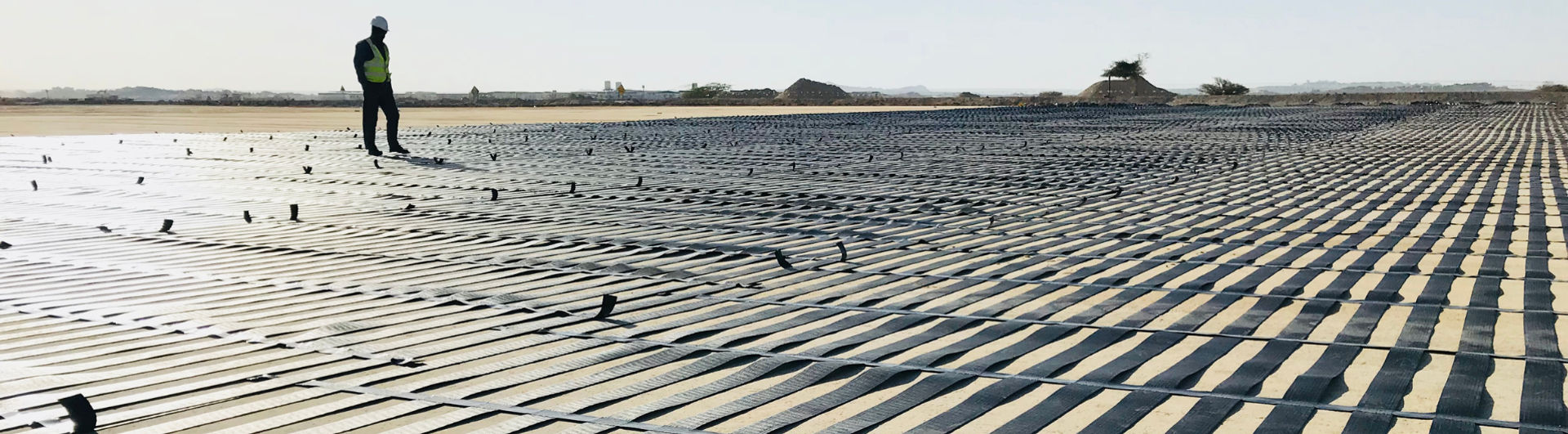
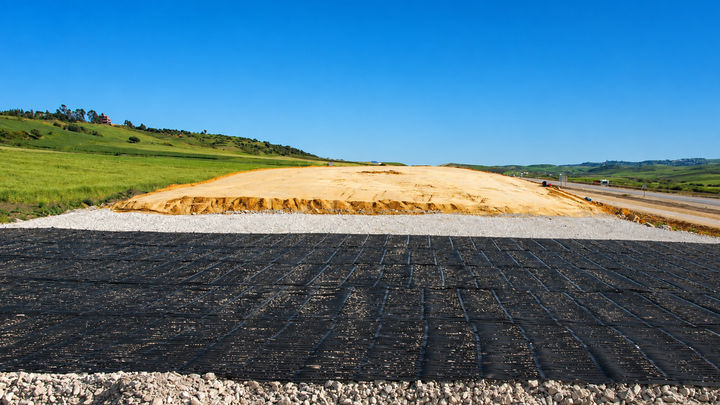
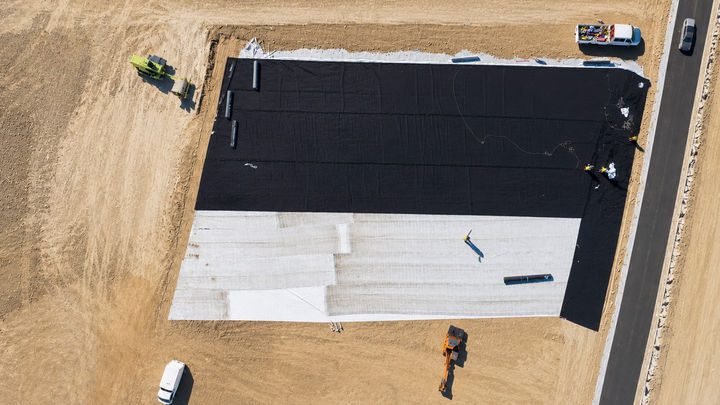
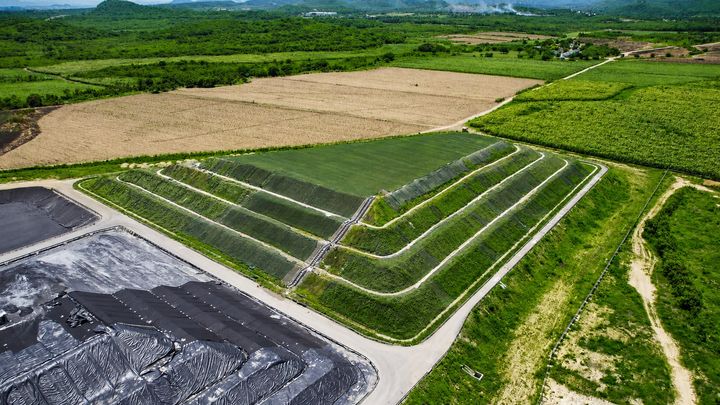
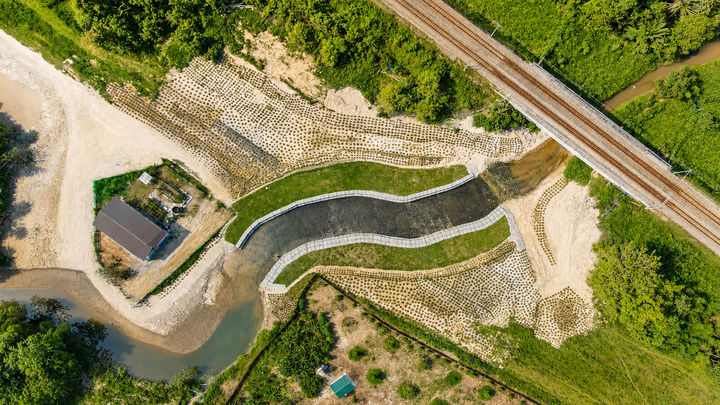
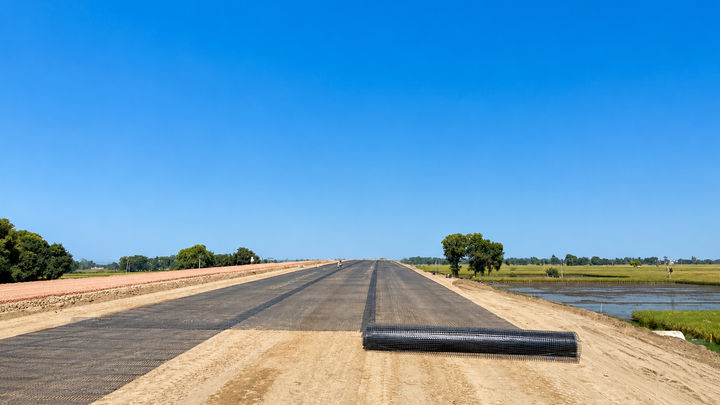
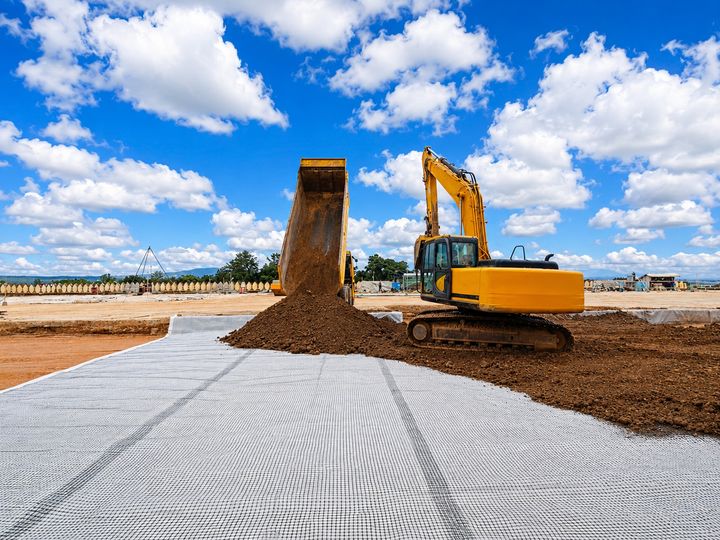
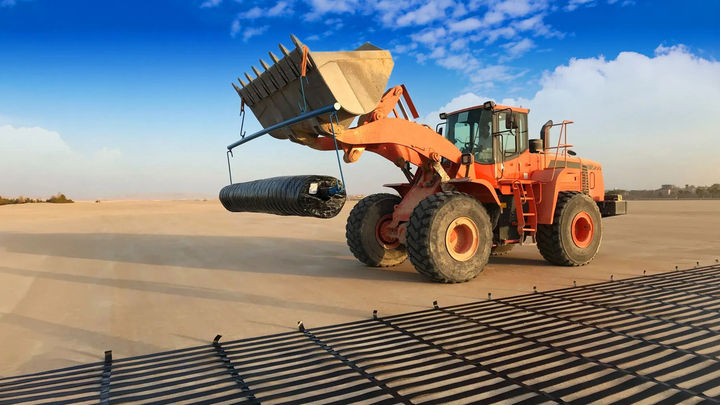
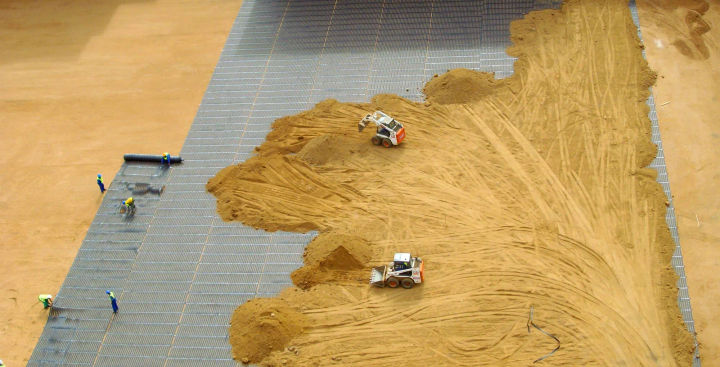
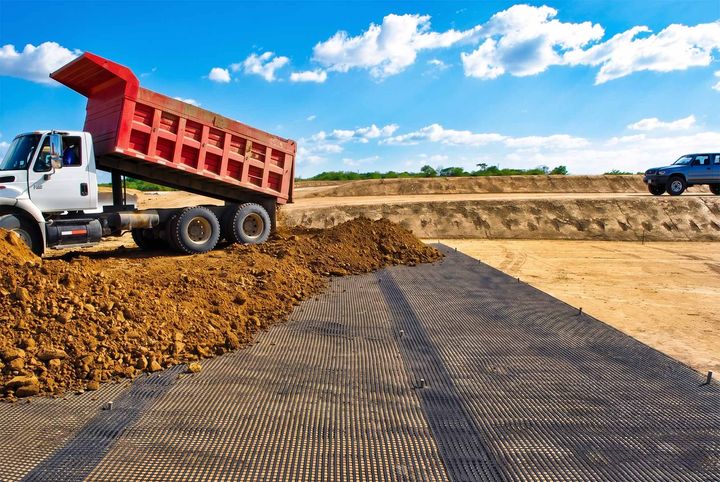
Gjeogridet përdoren kryesisht për qëllime forcimi, pasi struktura e tyre karakteristike është në gjendje të ofrojë forcën e nevojshme për të forcuar materialin e mbushjes.
Lloji monoaksial karakterizohet nga një forcë kryesore të tërheqjes, zakonisht në drejtimin MD, ku performancat CMD reduktohen në minimum, siç kërkohet nga teknologjia e prodhimit të gjeogridëve.
Gama e Maccaferri është shumë e specializuar, ku çdo familje është projektuar dhe zhvilluar posaçërisht për të targetuar sa më mirë kërkesat e nevojshme (jo vetëm nga pikëpamja teknike – performancat mekanike në afat të shkurtër dhe të gjatë, qëndrueshmëria, interaksioni me tokën – por gjithashtu nga një perspektivë qëndrueshmërie – ndikimi në mjedis, riciklimi ose ripërdorimi, etj).
Llojet e Paraproduct përfaqësojnë ekselencën që është në dispozicion nga Maccaferri (të gjitha produktet janë të certifikuara BBA) dhe janë të përshtatura si:
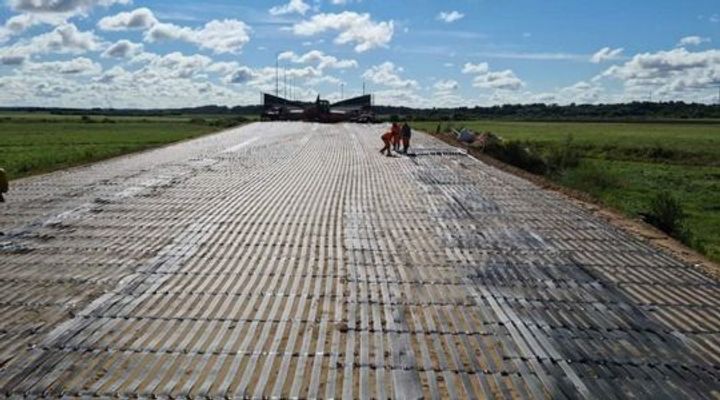
ParaGrid™
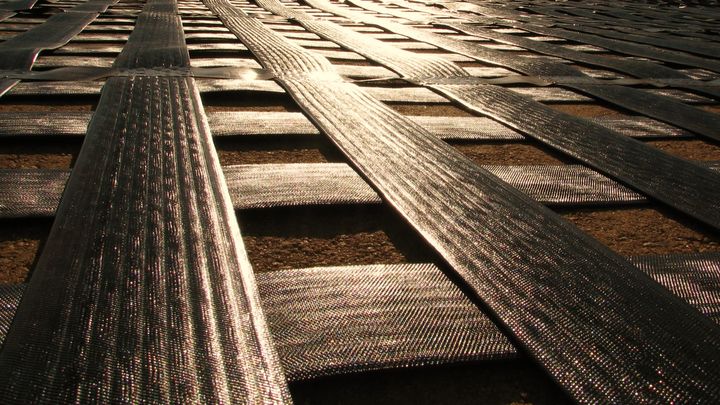
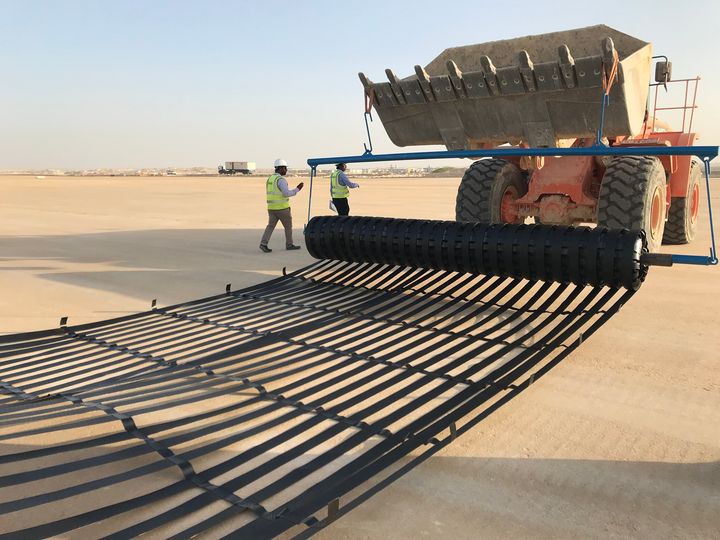
Berthame me rezistence të lartë me një veshje të trashë PE, me forcë nga 30 deri në 200 kN/m, për t'u përdorur në aplikime standarde perforcimi të tokës (kryesisht struktura mbajtëse) në çdo tokë, përfshirë ato agresive të karakterizuara nga vlera të larta të pH.
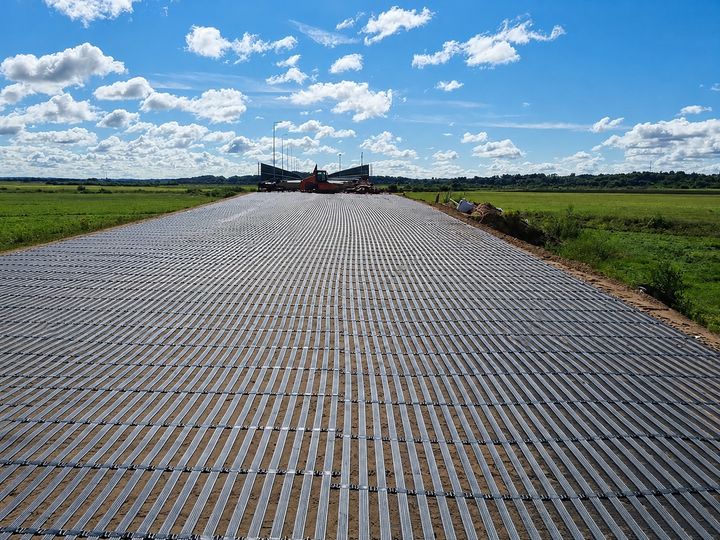
ParaGrid™ HF
E ngjashme me ParaGrid sa i përket strukturës, por përdoret kryesisht në kombinim me njësitë Terramesh si peforcim primar. Forca e tyre varion nga 90 deri në 250 kN/m dhe mund të përdoret në çdo tokë, përfshirë ato agresive të karakterizuara nga vlera të larta të pH.
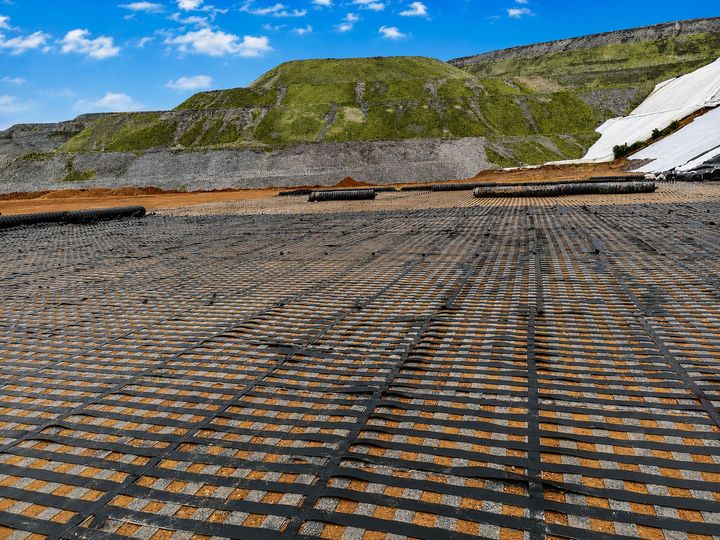
ParaLink™
Përsëri një strukturë e bazuar në shirit, përdoret kryesisht në aplikime forcimi bazal (por jo ekskluzivisht) si mbushje me themele me pilota, aplikime për gropa të thella ose themele në toka të buta. Forca e tyre varion nga 300 deri në 1600 kN/m dhe mund të përdoret në çdo tokë, përfshirë ato agresive të karakterizuara nga vlera të larta të pH.
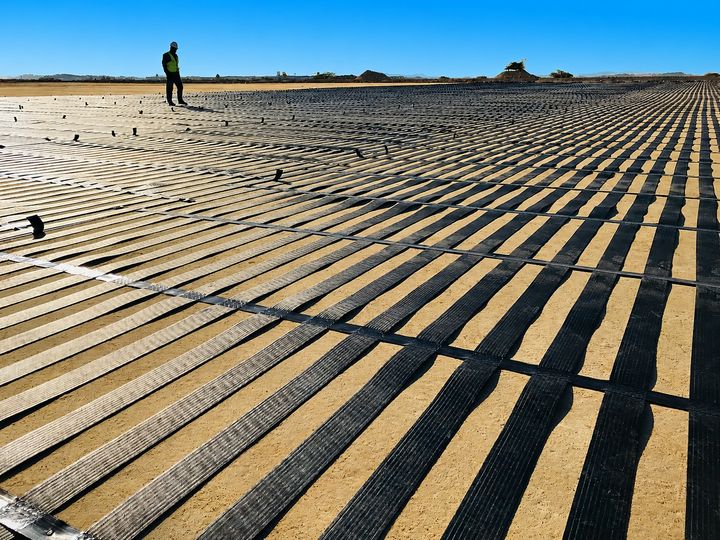
ParaDrain™
E ngjashme me ParaGrid, por me një kapacitet drenazhimi në drejtimin MD, i arritur duke formuar shirita me profil kanali të mbyllur me një filtër geotekstili. Ky kompozit unik është projektuar për t'u përdorur me toka shumë të holla ose kohezive në situata gjeoteknike shumë sfiduese.
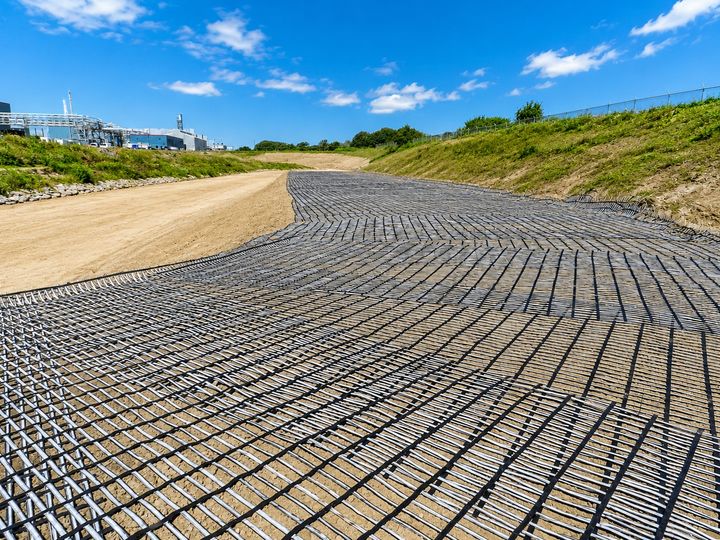
Paragrid™ W
Një geogrid i avancuar me performancë të lartë i endur, i karakterizuar nga një modul shumë i lartë dhe faktorët më të ulët të reduktimit. E dizajnuar për aplikime standarde forcimi të tokës me një fokus të veçantë në aplikimet e mureve segmentale. Kjo familje është e përshtatshme për t'u përdorur me toka standarde të karakterizuara nga 4</=ph</=9.
Histori Suksesi
Ndërtuar, jo thjesht vizatuar
Zbuloni më shumë
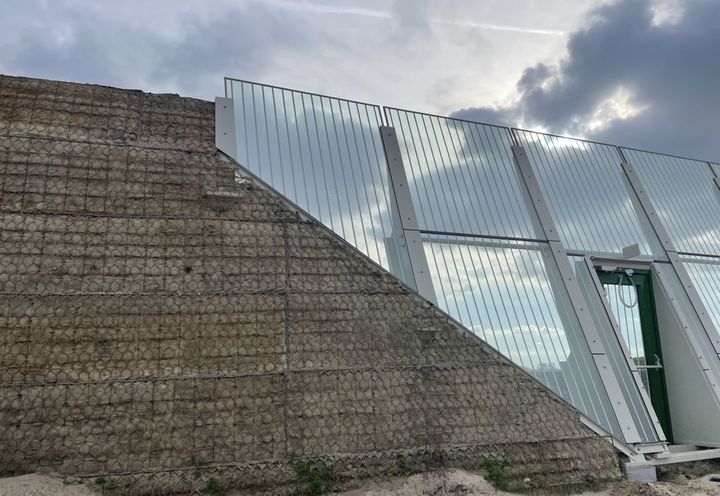
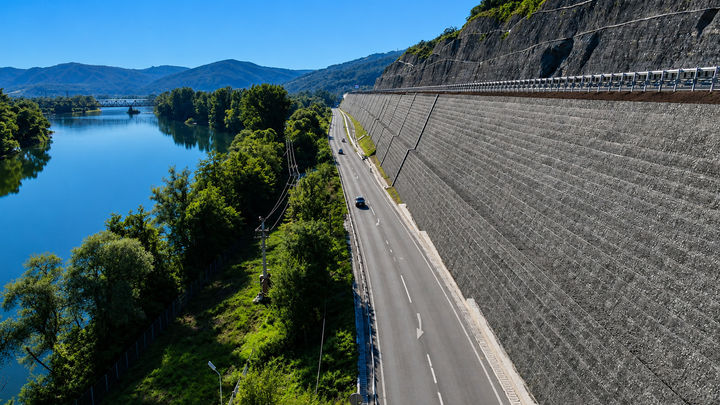
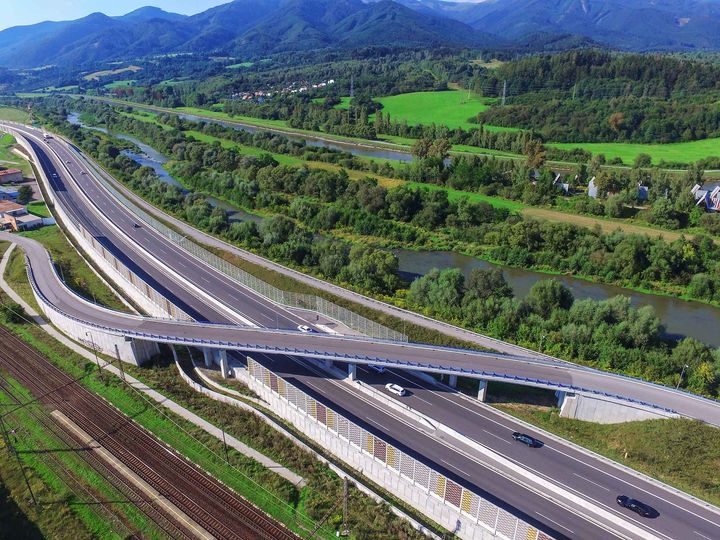
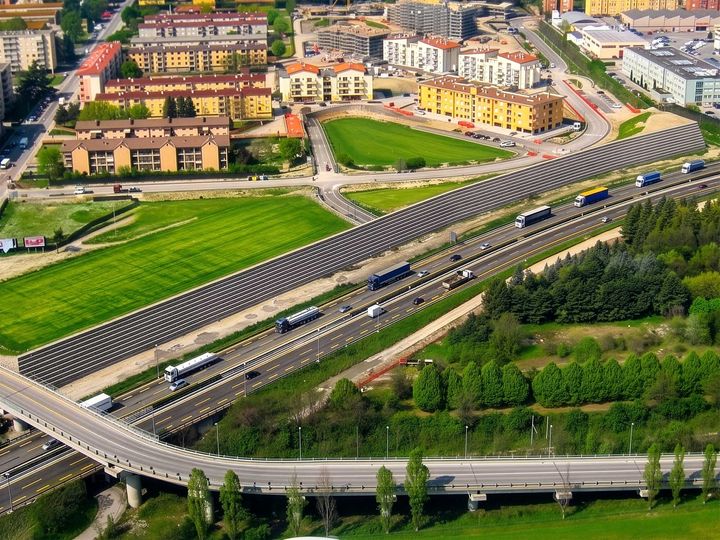
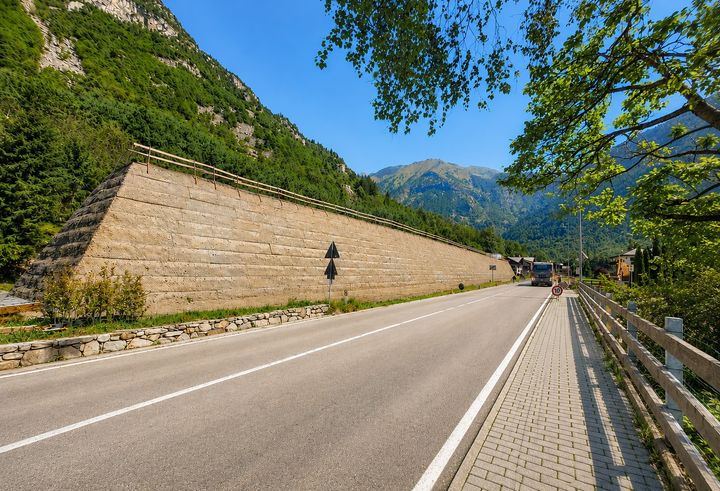
The Oosterweel Link project is a new 15km-long motorway connection developed by Lantis for completing the Antwerp ring road R1 (Belgium). It is a major project in Belgium and its design started in the 1990s to find a solution to the congestion problems in and around Antwerp. The total estimated cost of the project is approximately €4. 5bn. The Antwerp ring road is a key part of the Trans-European Transport (TEN-T) Core Network. Maccaferri collaborated with the design and building of the Mechanically Stabilized Earth (MSE) walls with its main product family „Terramesh“. This is a well-known system used in Europe and in the rest of the world to support or enable the construction of infrastructures in tight urban corridors, forming retaining walls, road embankments, wing walls and bridge abutments known as Geosynthetic Reinforced Soil-Integrated Bridge Systems (GRS-IBS). „Terramesh“ double twist steel wire mesh reinforcements have been used in combination with ParaLink® and Paragrid® geogrids representing an evolution and a significant advantage for both cost-effectiveness and performance. The project includes 15. 000 facing sqm of „Terramesh Green®“, 14. 000 facing sqm of „Terramesh Mineral® and System® and 5. 000 facing sqm of gabion cladding.
Zbuloni më shumë
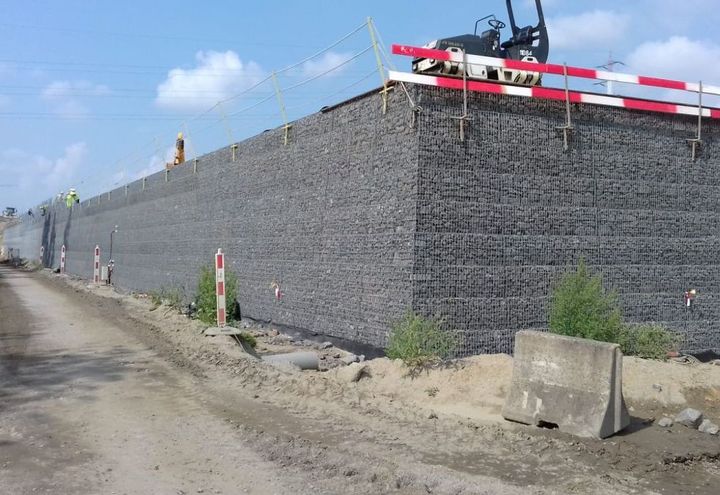
The Oosterweel Link project is a new 15km-long motorway connection developed by Lantis for completing the Antwerp ring road R1 (Belgium). It is a major project in Belgium and its design started in the 1990s to find a solution to the congestion problems in and around Antwerp. The total estimated cost of the project is approximately €4. 5bn. The Antwerp ring road is a key part of the Trans-European Transport (TEN-T) Core Network. Maccaferri collaborated with the design and building of the Mechanically Stabilized Earth (MSE) walls with its main product family „Terramesh“. This is a well-known system used in Europe and in the rest of the world to support or enable the construction of infrastructures in tight urban corridors, forming retaining walls, road embankments, wing walls and bridge abutments known as Geosynthetic Reinforced Soil-Integrated Bridge Systems (GRS-IBS). „Terramesh“ double twist steel wire mesh reinforcements have been used in combination with ParaLink® and Paragrid® geogrids representing an evolution and a significant advantage for both cost-effectiveness and performance. The project includes 15. 000 facing sqm of „Terramesh Green®“, 14. 000 facing sqm of „Terramesh Mineral® and System® and 5. 000 facing sqm of gabion cladding.
Zbuloni më shumë
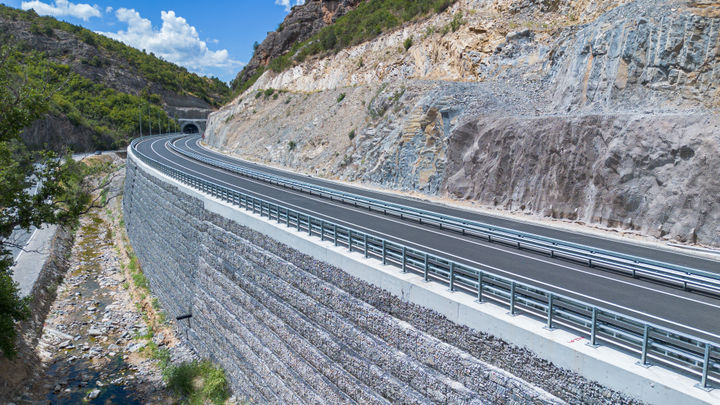
A1 Gradsko–Drenovo expressway - Farish–Drenovo section
North Macedonia
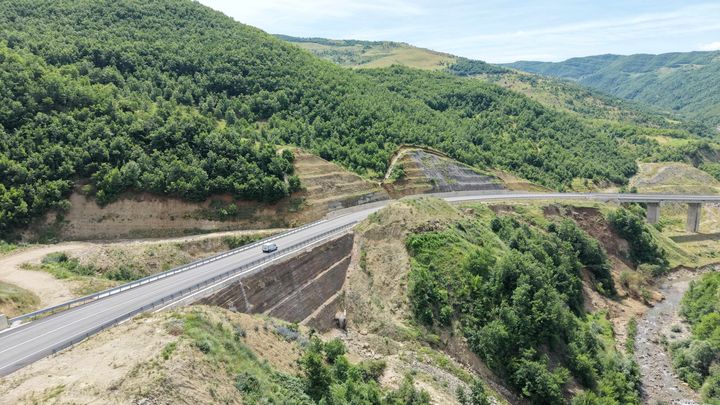
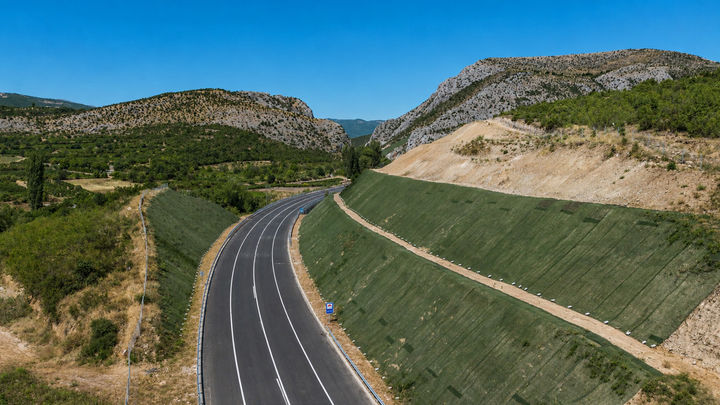
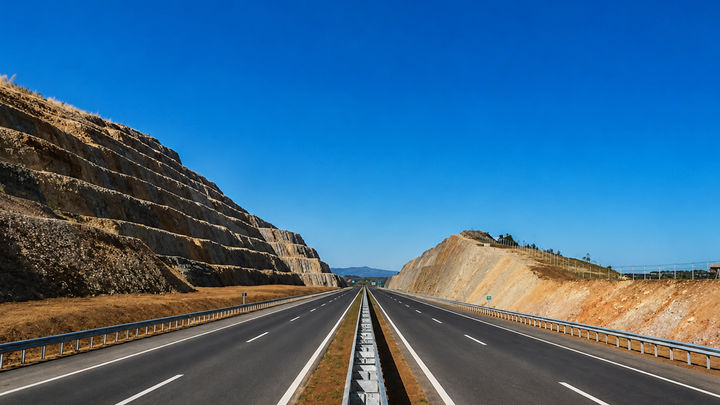
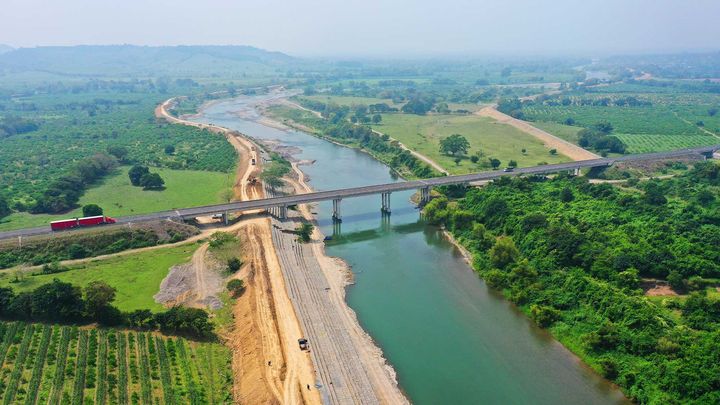
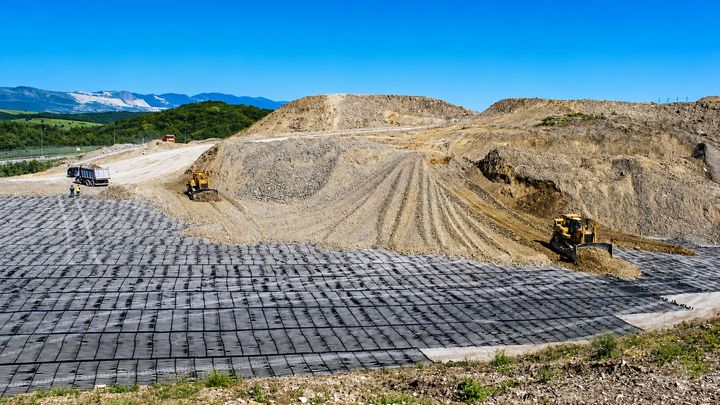
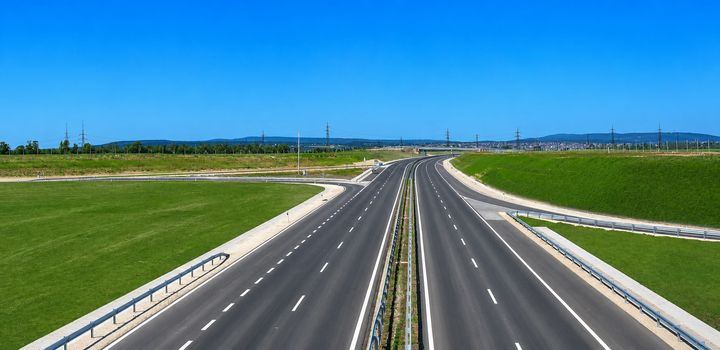
The Gradsko–Drenovo expressway is a modern road infrastructure project designed to improve regional connectivity and enhance traffic flow between central and southern North Macedonia. Stretching through a landscape of mixed lowlands and rugged terrain, the route aims to reduce travel times and support local economic development. One of the main challenges lies in navigating steep slopes and unstable geological formations that complicate excavation and construction works. The area is also prone to seasonal weather variations, including heavy rains that increase the risk of landslides. Environmental protection requirements present additional constraints, as the alignment passes near sensitive natural habitats.
Zbuloni më shumë
Thellohuni në
Gjeogridet Monoaksiale
Çfarë mund të bëjmë me
Gjeogridet Monoaksiale
Aplikime
Zgjidhje
Lidhuni me ne
[contactForm_txtSuccessSubmit]