2024
New Clark City, Bamban, Tarlac
Hann Development Corporation
Netforce International Inc.
Mace TPM
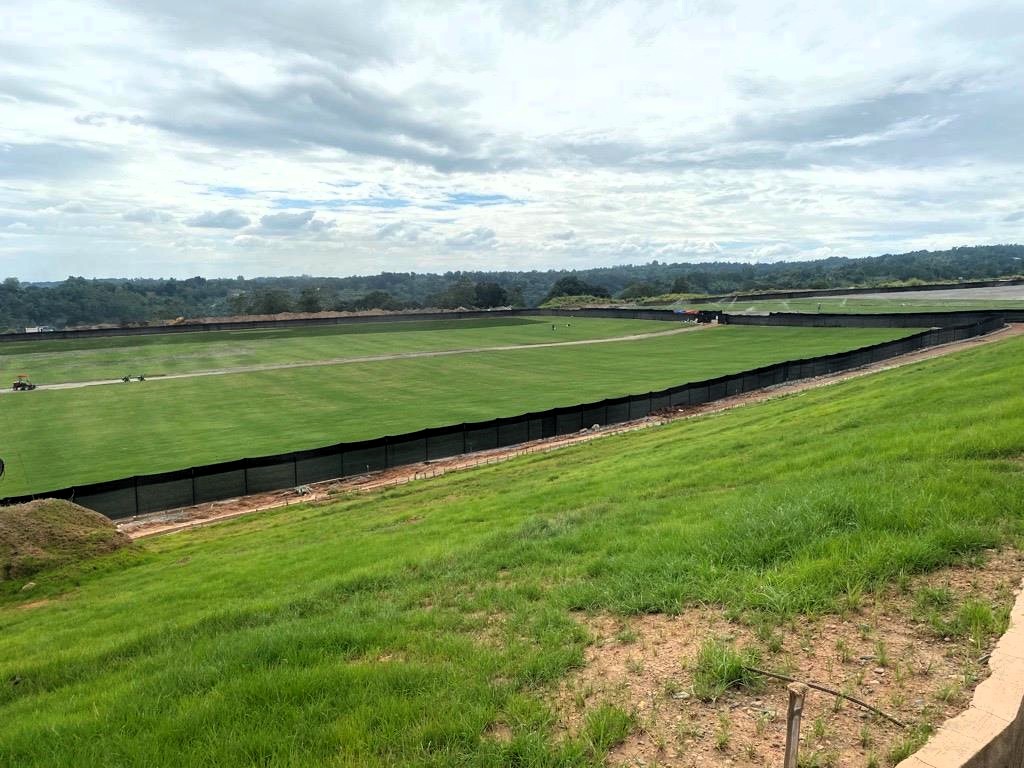
Hydroseeding in The Jack Nicklaus Course
Project Completed
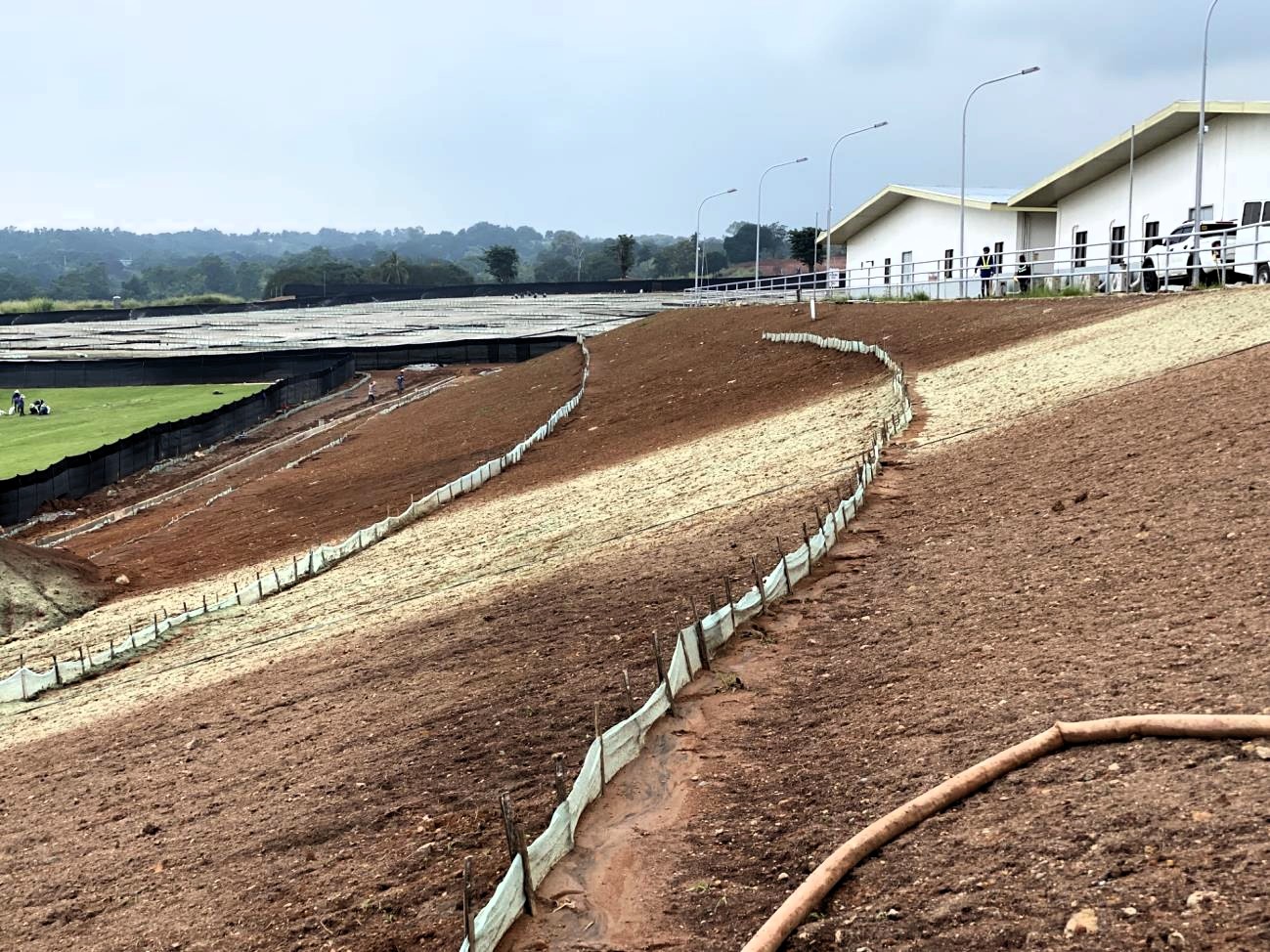
Under Construction
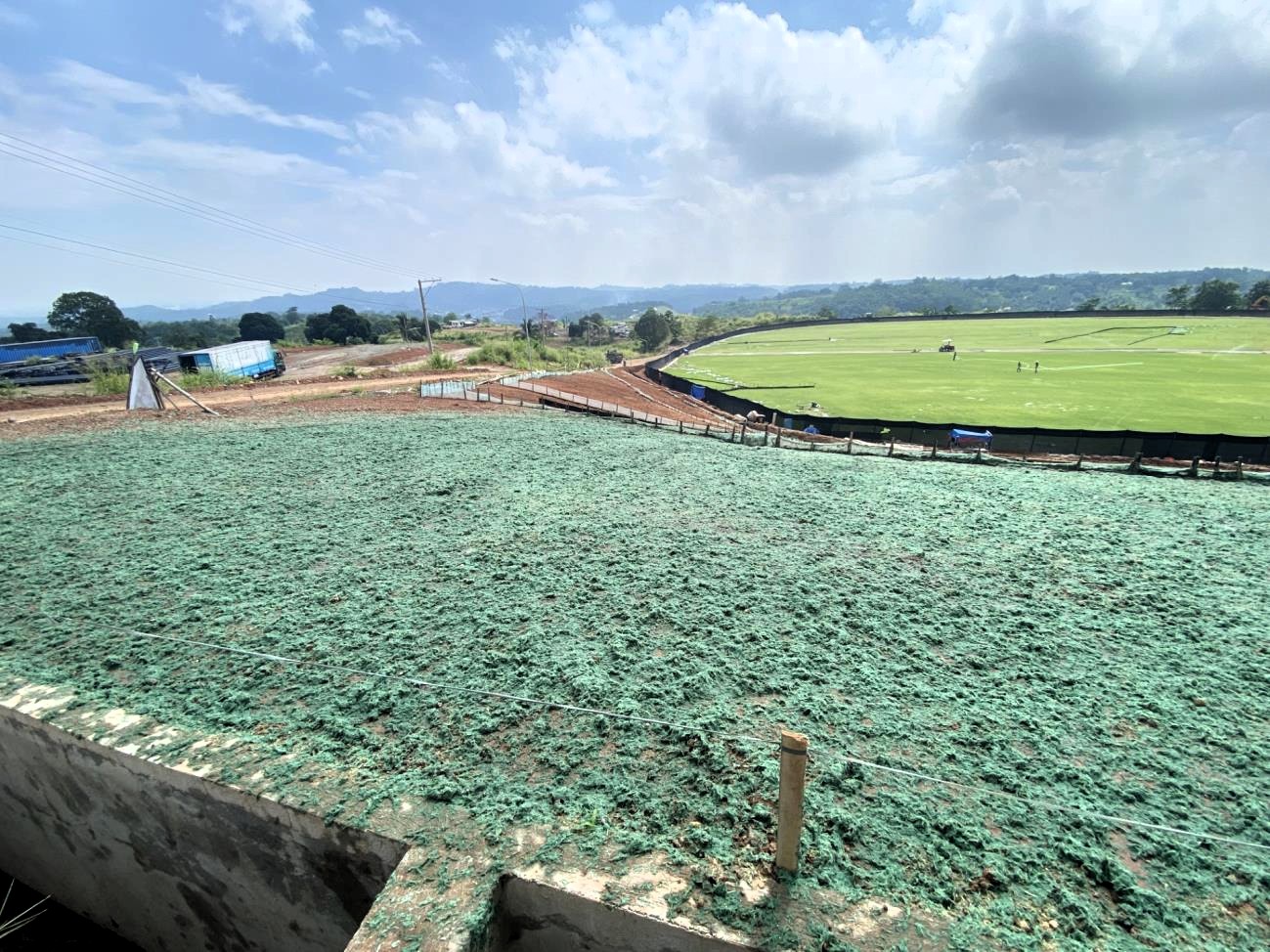
Under Construction
Challenge
As part of the 450-hectare ongoing golf course development project by Hann Reserve in Bamban, Tarlac, several areas, particularly those with steep slopes, were identified as having a high risk of surface erosion and instability. This was largely due to land cutting activities required for site grading and contouring. These conditions are further exacerbated during periods of heavy rainfall, presenting both environmental and safety concerns. Given the aesthetic and functional requirements inherent in golf course design, ensuring long-term slope stability and sustainable vegetation cover became a top priority for the design and engineering team of the project.
Solution
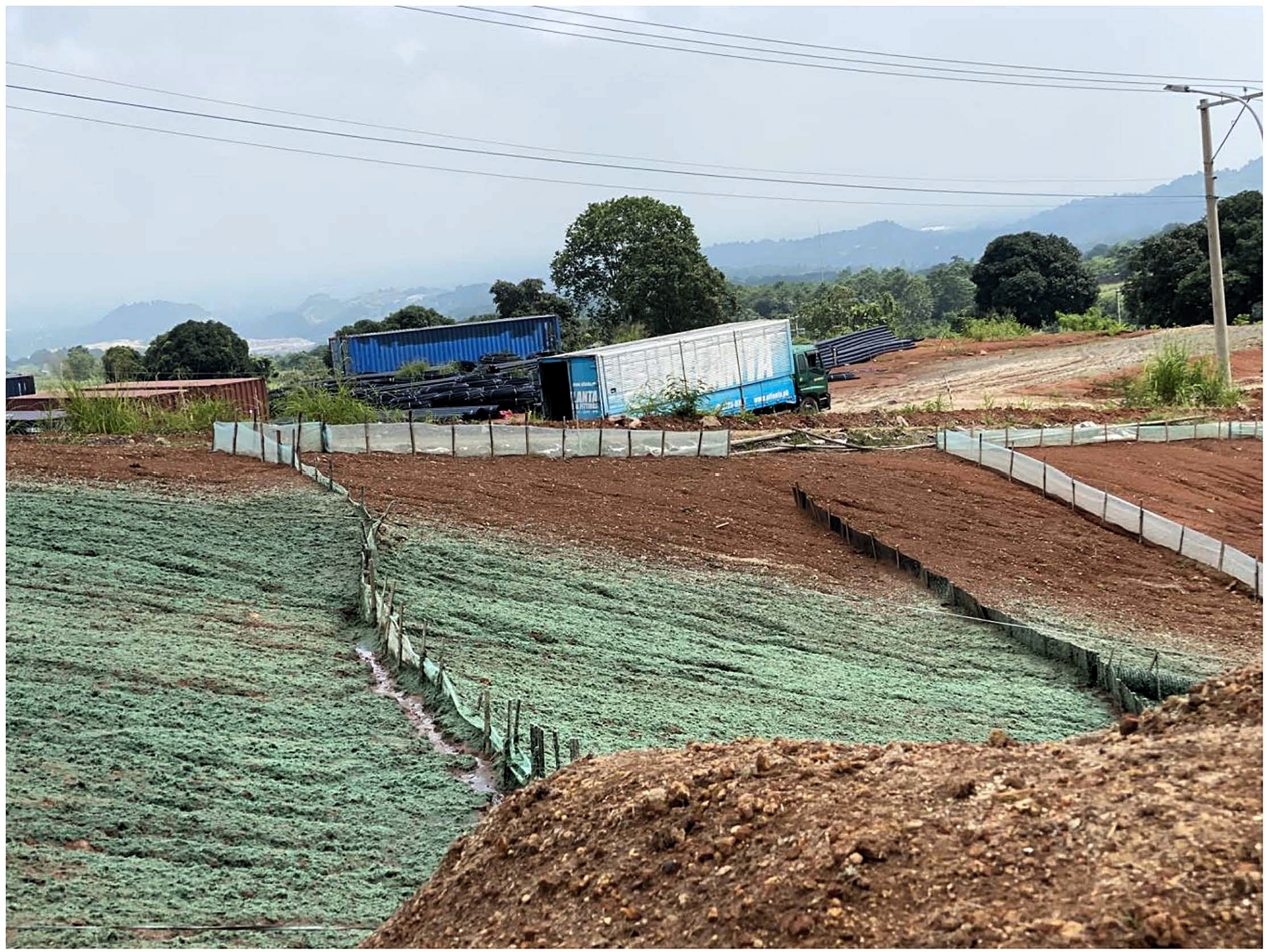
To address slope instability and erosion risks in the 450-hectare golf course development in Bamban, Tarlac, Hann/Mace TPM proposed hydroseeding as a practical and environmentally responsible solution. Hydroseeding involves spraying a slurry of seed, mulch, fertilizer, and soil stabilizers directly onto cut slopes. This method promotes rapid vegetation growth, improves soil retention, and creates a protective layer against rainfall and runoff. It is especially effective for steep or disturbed terrain, where traditional erosion control methods may fall short. The development team selected hydroseeding for its speed, coverage, and adaptability to large-scale landscapes. It also supports sustainable site management by reducing sediment runoff and the need for frequent maintenance. Overall, hydroseeding proved ideal for stabilizing slopes in a dynamic golf course environment.
Beyond technical benefits, hydroseeding meets the aesthetic and functional standards of modern golf course design. Golf courses require consistent turf coverage, natural integration with the landscape, and durable, low-maintenance vegetation. Hydroseeding fulfills all these requirements while maintaining visual appeal even during early development stages. The technique was applied to all slopes with gradients of 2:1 and 1:1, prioritizing erosion-prone and highly visible areas. This ensured both environmental protection and a cohesive look throughout the course. Its successful application helped prevent soil degradation and laid the foundation for a lush, playable setting. Ultimately, hydroseeding played a key role in supporting the project’s long-term sustainability and design vision.
Used Products