2022
Kendal, Cumbria
Story Homes
Story Homes
RSK
Vegetated Rock Slope Stabilisation at Brigsteer Rise, Kendal, Cumbria
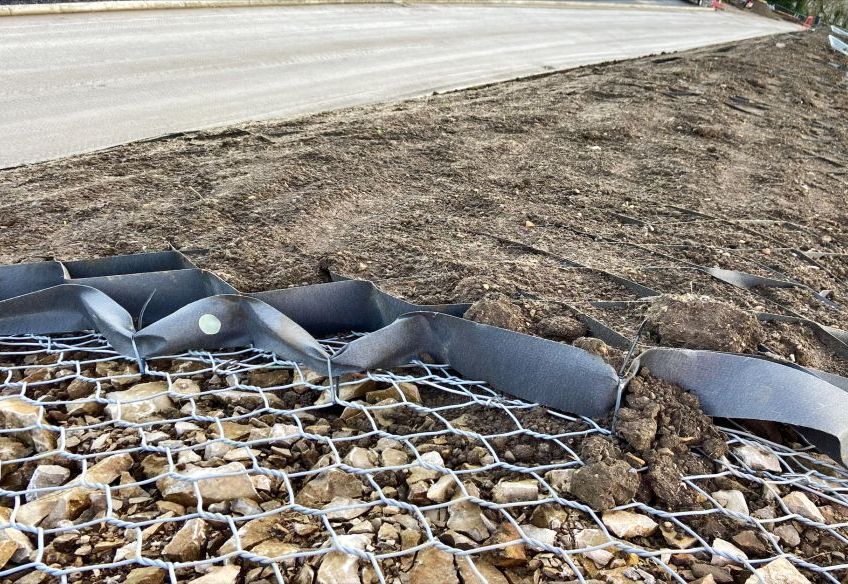
MacWeb® and DT Mesh Installation
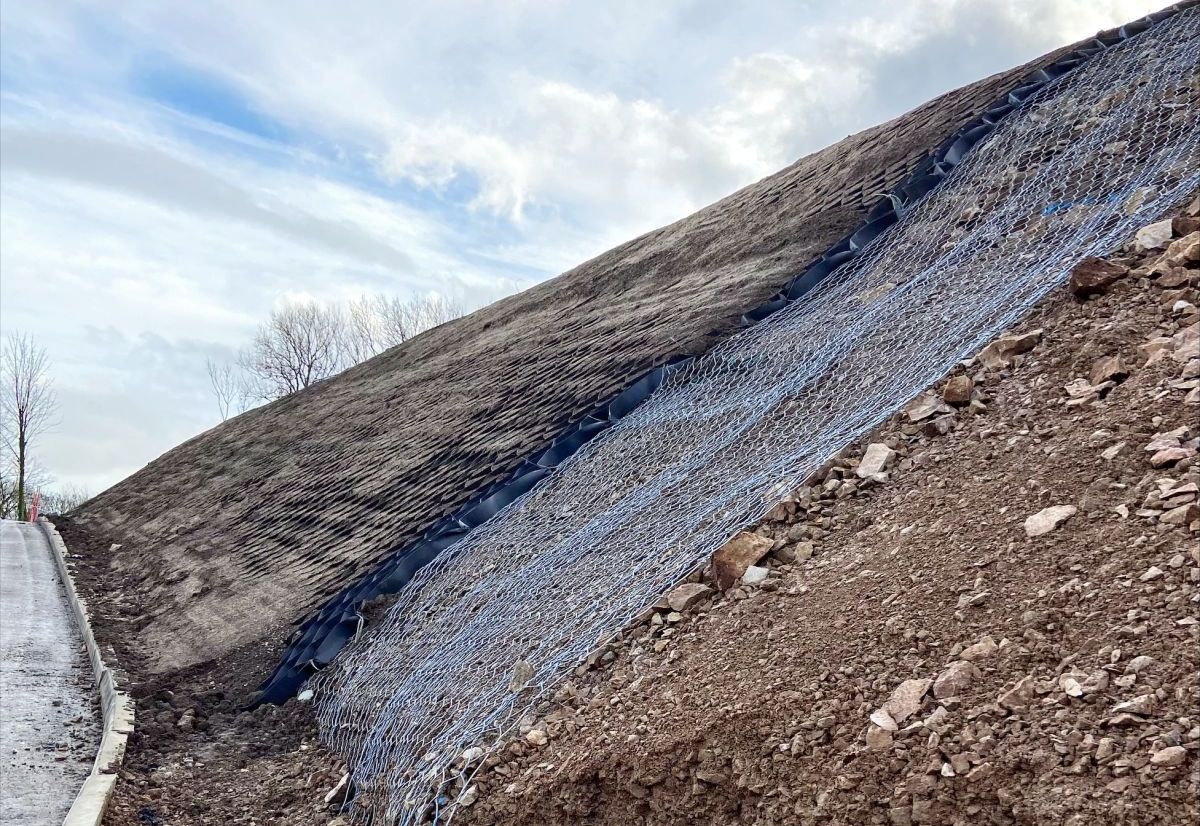
Slope at 45º with MacWeb® and DT Mesh Installed
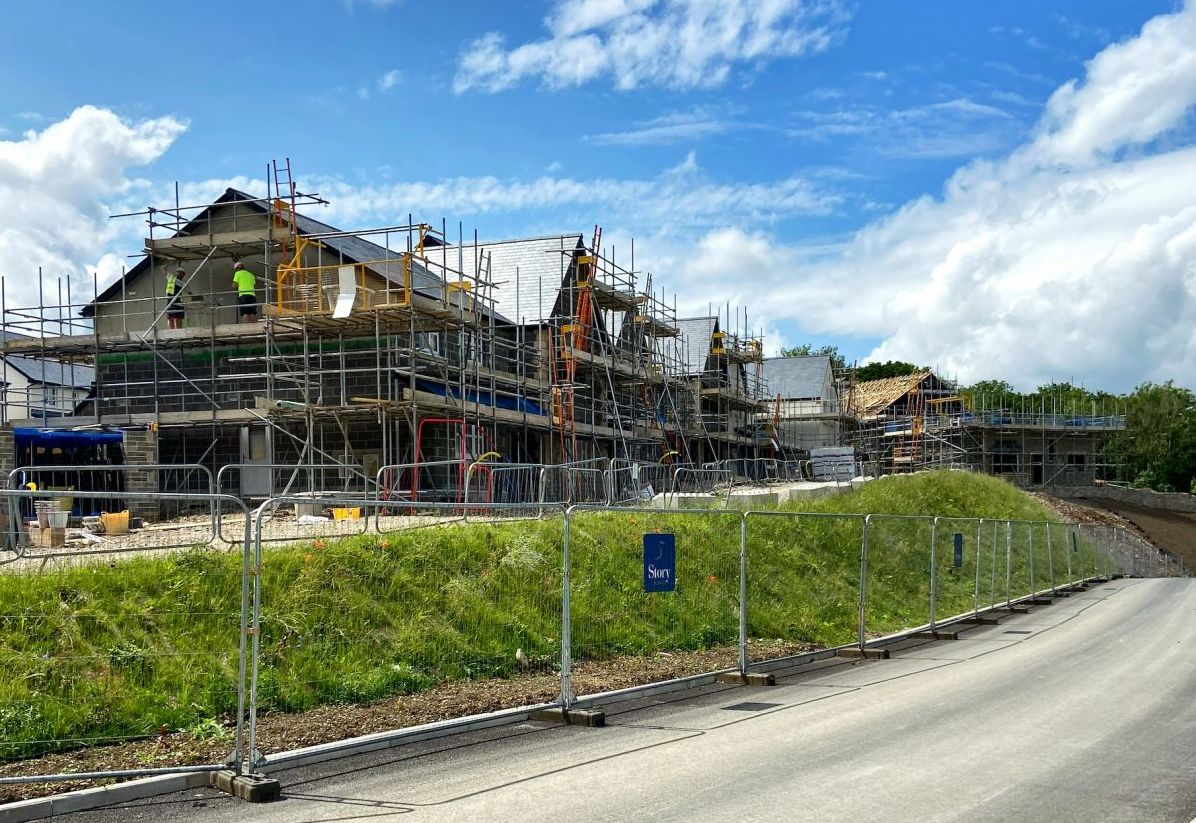
Vegetation growth on a earlier section
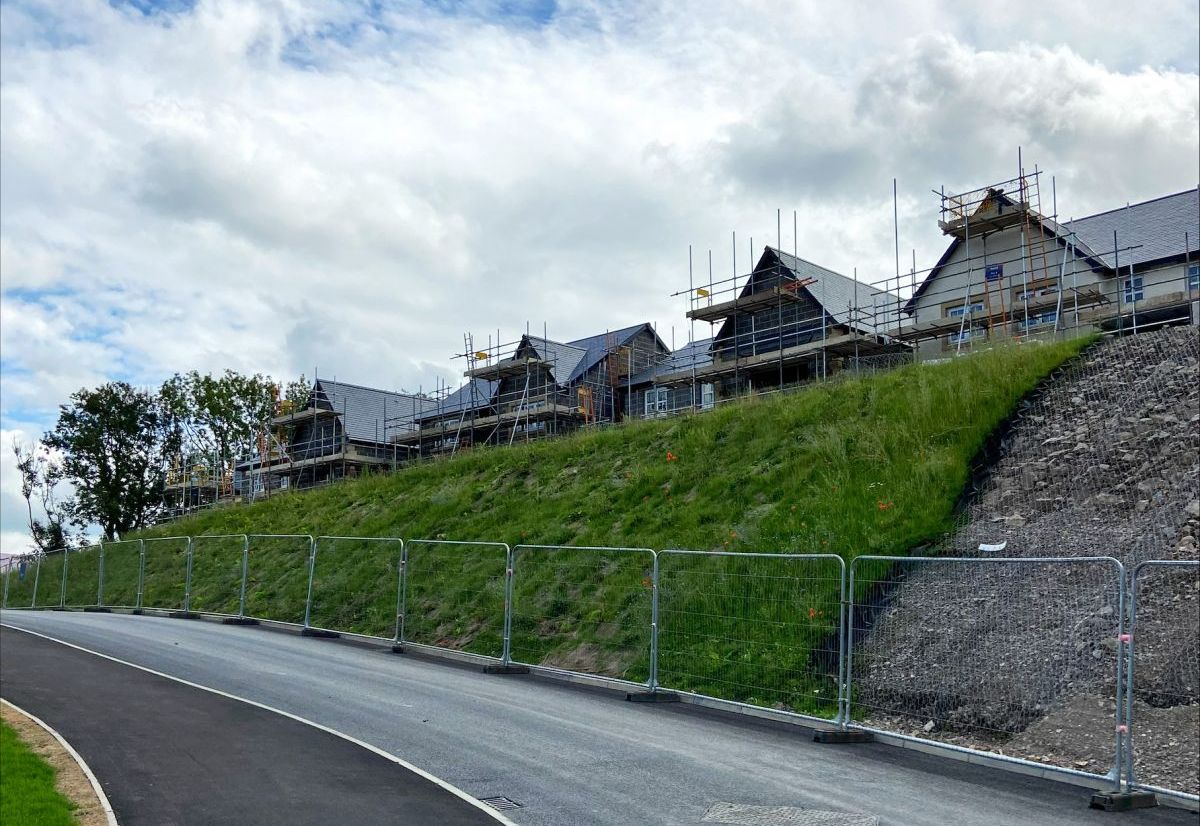
Green Vegetation on slope
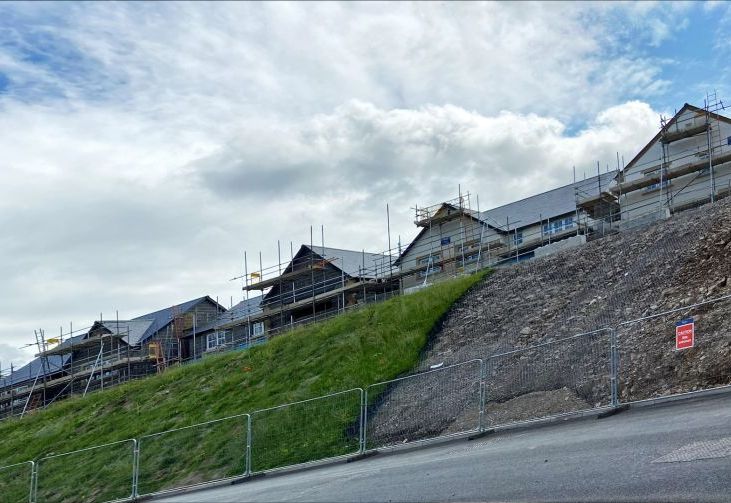
Green Vegetation appearing on slope
Challenge
Maccaferri was commissioned by Story Homes to assess and develop a solution for a steep rock face located at the entrance to the Brigsteer Rise housing development in Kendal, Cumbria. With RSK acting as the consulting engineer, the client sought to enhance the visual appeal of the site by transforming the exposed rock face into a fully vegetated slope, creating a more attractive and welcoming entrance for residents.
The site conditions presented several engineering and environmental challenges. The rock face had a maximum inclination of 45 degrees and extended up to 5 metres in height from crest to toe. These steep slope conditions made it extremely difficult to retain topsoil, which is essential for vegetation growth. Without intervention, any topsoil placed on the surface would be highly susceptible to erosion and washout during rainfall events.
In addition, the hard rock substrate prevented the use of conventional slope stabilisation methods such as pinning systems, as standard steel pins could not penetrate the surface. This required an alternative anchoring and soil retention solution capable of working effectively on a rock face while supporting long-term vegetation establishment.
Solution
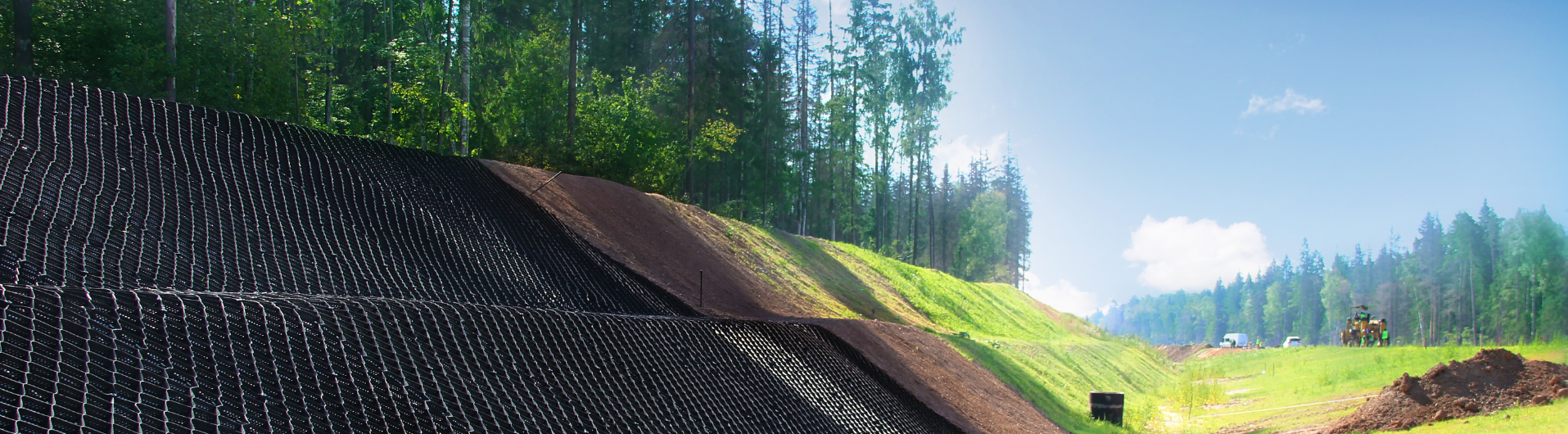
To achieve a sustainable vegetated slope stabilisation solution, Maccaferri designed and installed a system combining geosynthetic cellular confinement and rockfall netting technology. The primary component of the solution was the installation of approximately 1,850 m² of MacWeb geosynthetic 3D cellular confinement system, manufactured from high-density polyethylene (HDPE) strips ultrasonically bonded to form a durable honeycomb structure.
This geocellular system was selected to provide effective topsoil retention on the steep rock slope, preventing erosion and enabling vegetation growth. Before installation, the rock face was carefully regularised to eliminate voids and ensure close contact between the surface and the MacWeb system. This preparation step was critical to avoid soil loss beneath the system and to maximise stability.
Due to the inability to use traditional pin anchoring methods, Maccaferri incorporated Double Twist steel wire rockfall netting as an alternative restraint system. The netting was securely anchored using a 500 mm x 500 mm toe and crest trench, ensuring it remained tightly fixed against the rock face and provided a stable framework for the cellular system.
The MacWeb panels were then attached directly to the rockfall mesh using a minimum of four 8 mm wide black nylon cable ties per square metre. These ties were threaded through the MacWeb cell walls and secured around the wire mesh, ensuring the system was firmly held in place and conformed closely to the slope profile.
This integrated slope stabilisation and erosion control solution successfully created a stable medium for topsoil retention, allowing vegetation to establish across the rock face. The result was a durable, low-maintenance, and visually appealing green slope that significantly improved the entrance to the housing development while delivering long-term environmental and structural benefits.
Used Products