2003
Belfast, Northern Ireland
Queen's University
O'Hare & McGovern Ltd
Maccaferri Ltd
Queen’s University Retaining Wall Solution
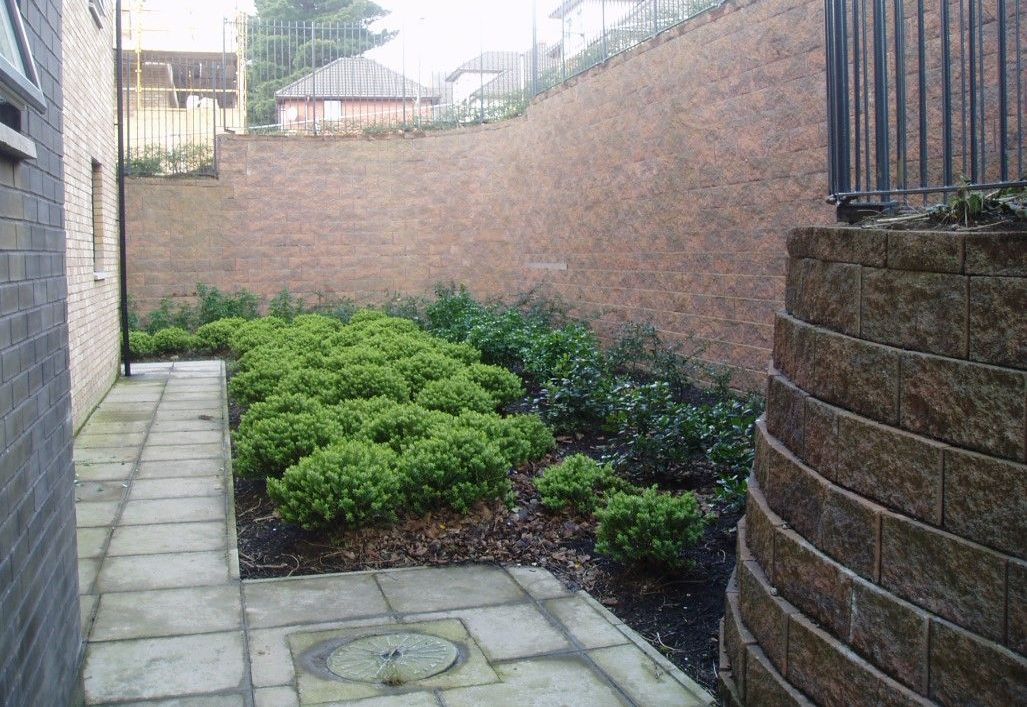
Post construction
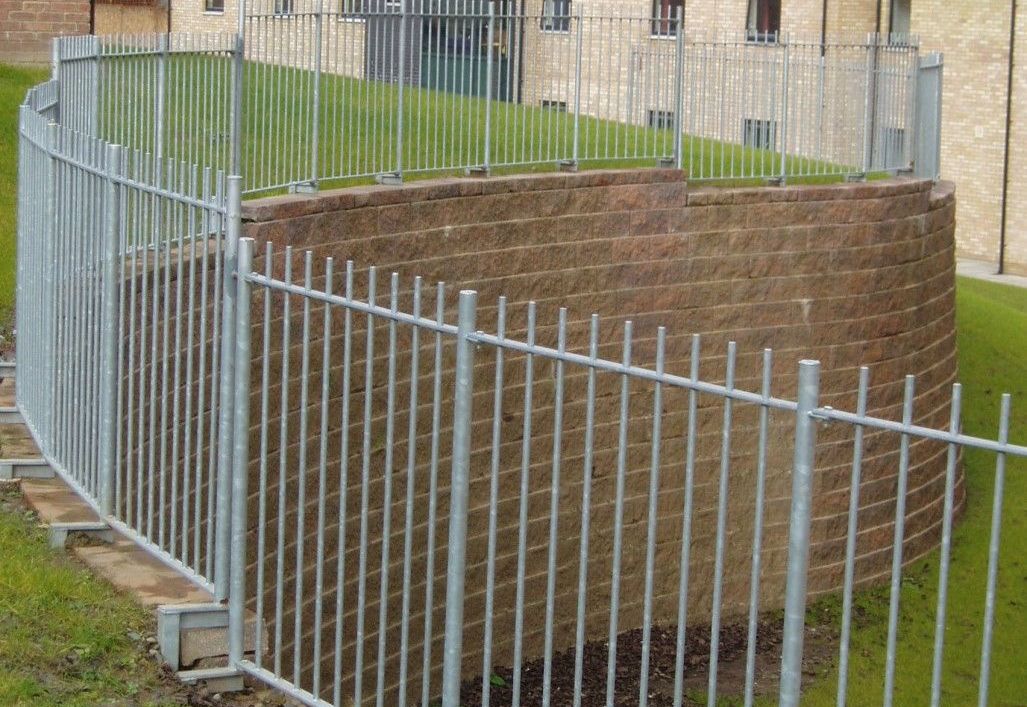
Top view from the completed MacWall
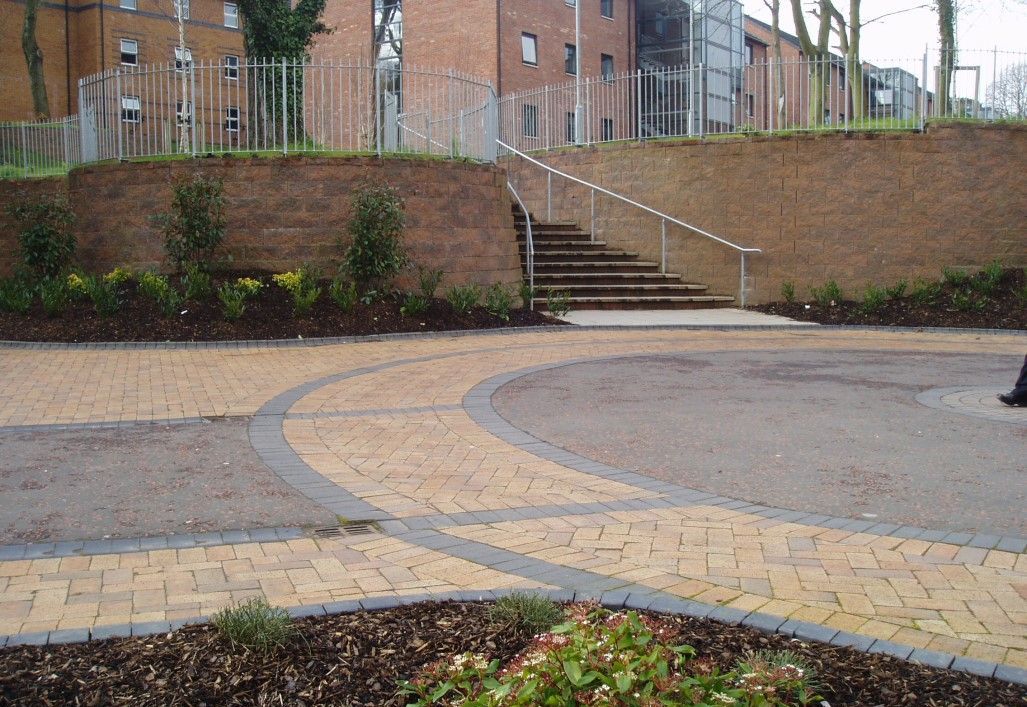
Post construction of MacWall
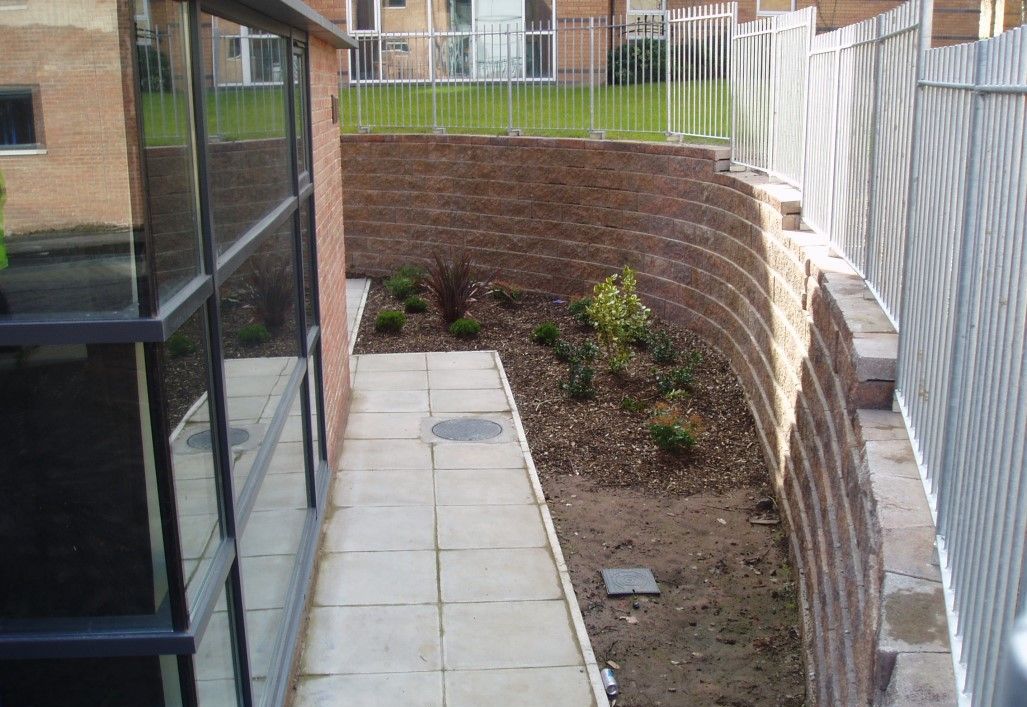
Post construction of MacWall
Challenge
Queen’s University, founded in 1845 and now home to approximately 24,000 students, undertook a major campus redevelopment project to replace outdated 1960s tower blocks with a modern, village-style student accommodation scheme. The new development was designed to house over 1,500 students across 47 buildings, creating a more attractive and functional living environment in line with the University’s prestigious reputation.
However, the project site presented significant geotechnical and construction challenges. Poor ground conditions combined with difficult site topography required the creation of multiple building levels through extensive terracing. This, in turn, necessitated the installation of a series of engineered retaining walls capable of supporting varying heights, curves, and slopes across the development.
Traditional in-situ concrete retaining walls were considered but posed several limitations. These systems would require temporary sheet piling to stabilise excavations, as well as large concrete foundations and extensive formwork. Such requirements would increase construction costs, extend project timelines, and complicate site logistics. Additionally, the phased nature of the project, where retaining walls needed to be installed alongside the demolition of existing structures, demanded a flexible retaining wall solution that could adapt to changing site conditions while maintaining structural integrity.
Solution
To overcome these challenges, the MacWall segmental retaining wall system, specified by Robinson and Patterson, was selected as the optimal solution. MacWall provided a cost-effective, flexible, and rapid installation alternative to traditional retaining wall construction methods.
MacWall is a dry-built retaining wall system that combines precast concrete facing blocks with soil reinforcement geogrids and compacted backfill. This engineered solution forms a durable and stable retaining structure without the need for in-situ concrete foundations or complex shuttering. By eliminating these requirements, MacWall significantly reduces construction time and labour costs while simplifying on-site operations.
One of the key advantages of the MacWall system is its design flexibility. It can easily accommodate curved alignments, varying wall heights, and sloped terrain, making it ideal for complex terraced developments such as the Queen’s University project. This adaptability allowed engineers to design retaining walls that seamlessly integrated with the site’s challenging layout.
Speed of installation was another critical factor. The site’s underlying “Malone” sands are known to weaken quickly when exposed, increasing the risk of ground instability. The rapid construction capability of MacWall enabled excavation and wall installation to be completed efficiently, reducing exposure time and minimising the risk of collapse.
By using the MacWall retaining wall system, the project team successfully delivered a robust, efficient, and visually appealing solution that met both structural and architectural requirements. The system played a key role in transforming the site into a high-quality, village-style student accommodation environment, demonstrating the benefits of modern segmental retaining wall technology in complex urban redevelopment projects.
Used Products