2007
Drumbuie, Scotland
Network Rail
Trac Engineering Ltd
Donaldson Associates
Kyle Line Rockfall Risk Management Stabilising Remote Railway Cuttings in Scotland
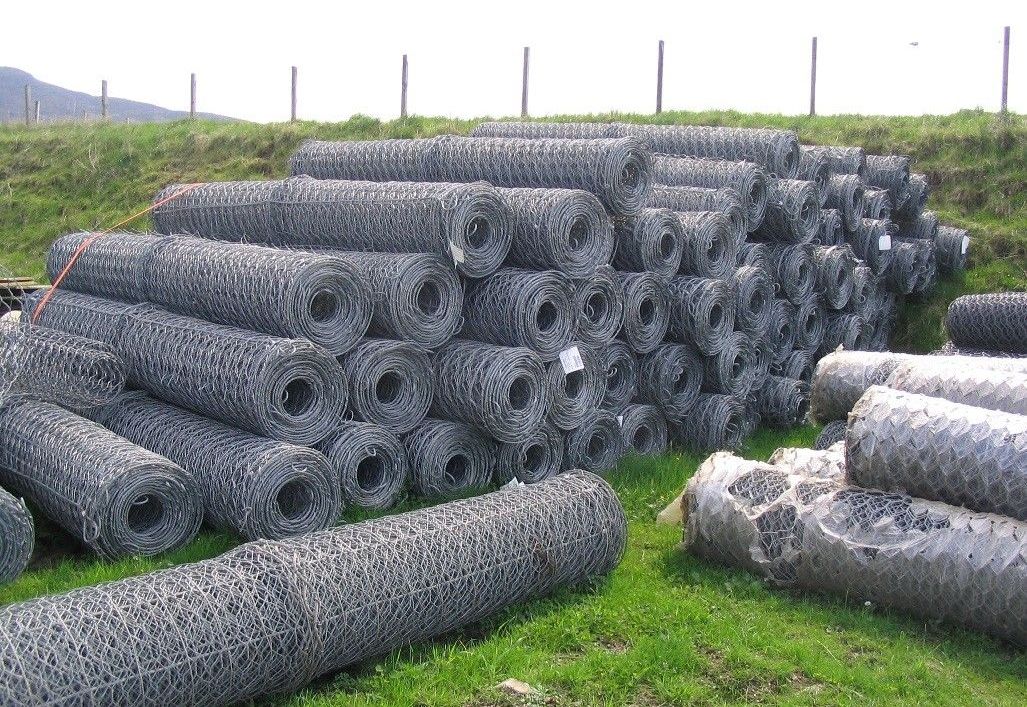
Steelgrid rolls ready for deployment into works
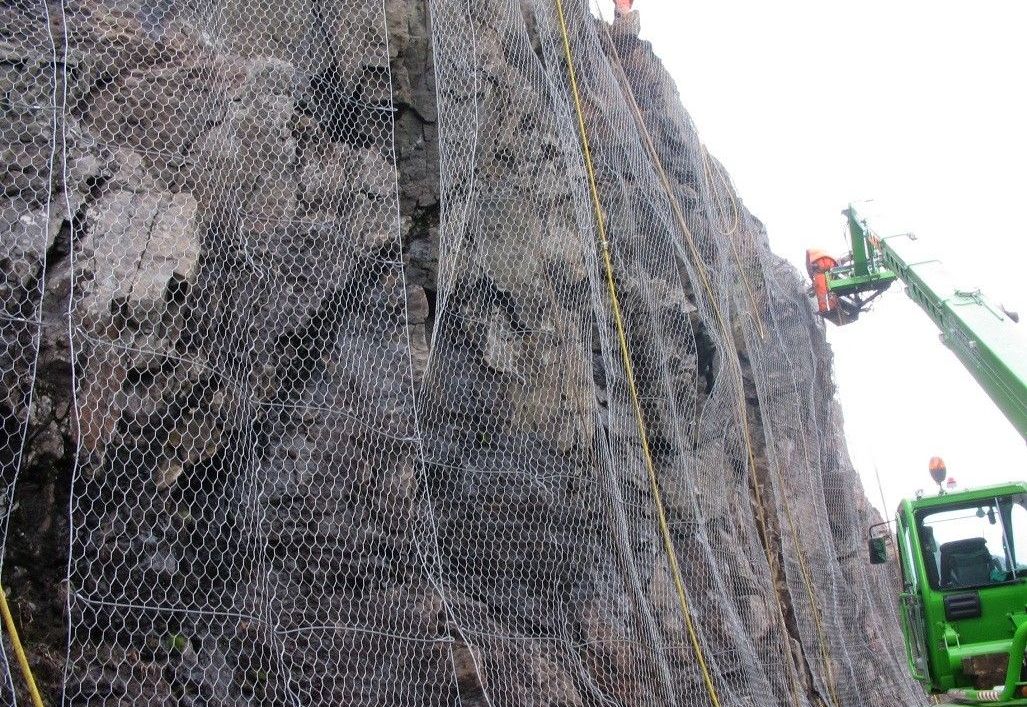
Hanging Steelgrid using trackside plant
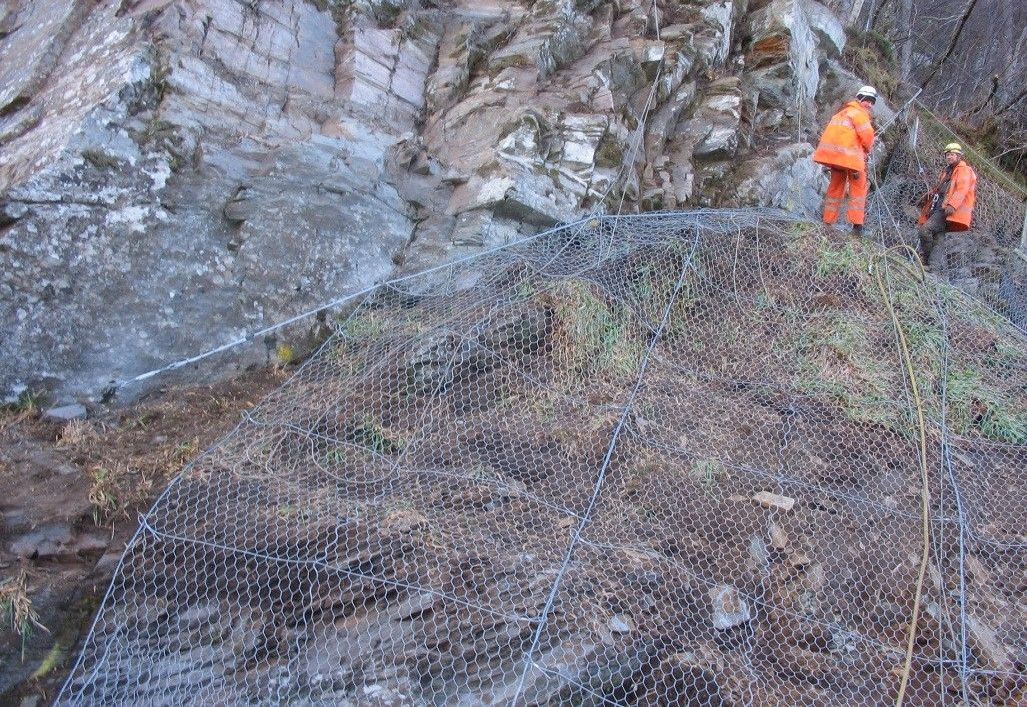
During construction using roped access specialists
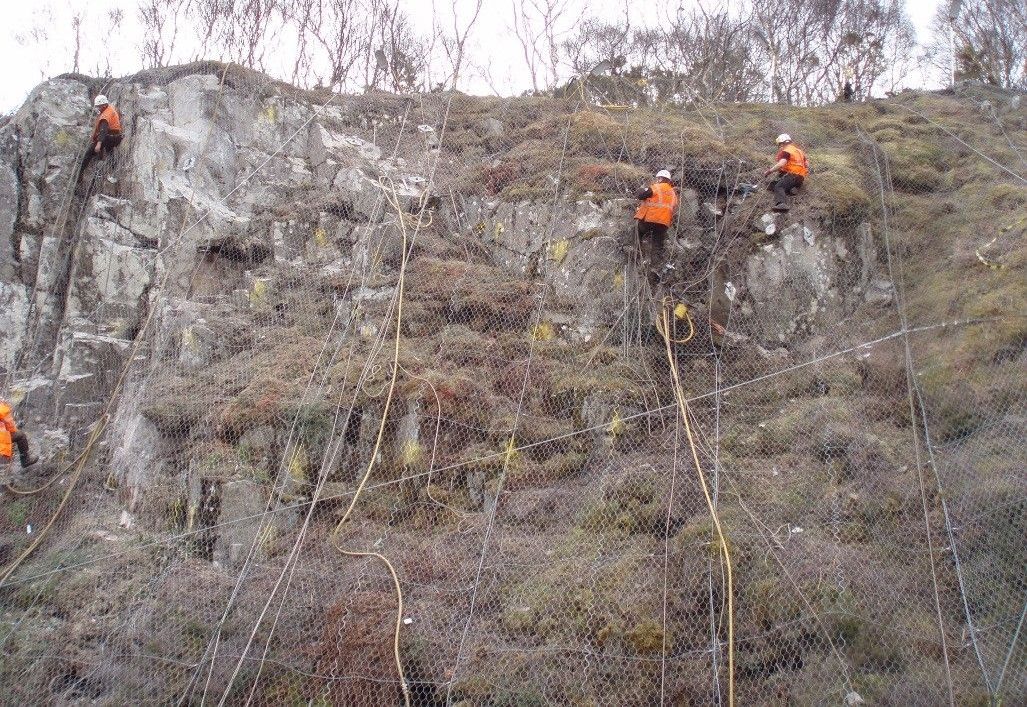
During construction using roped access specialists
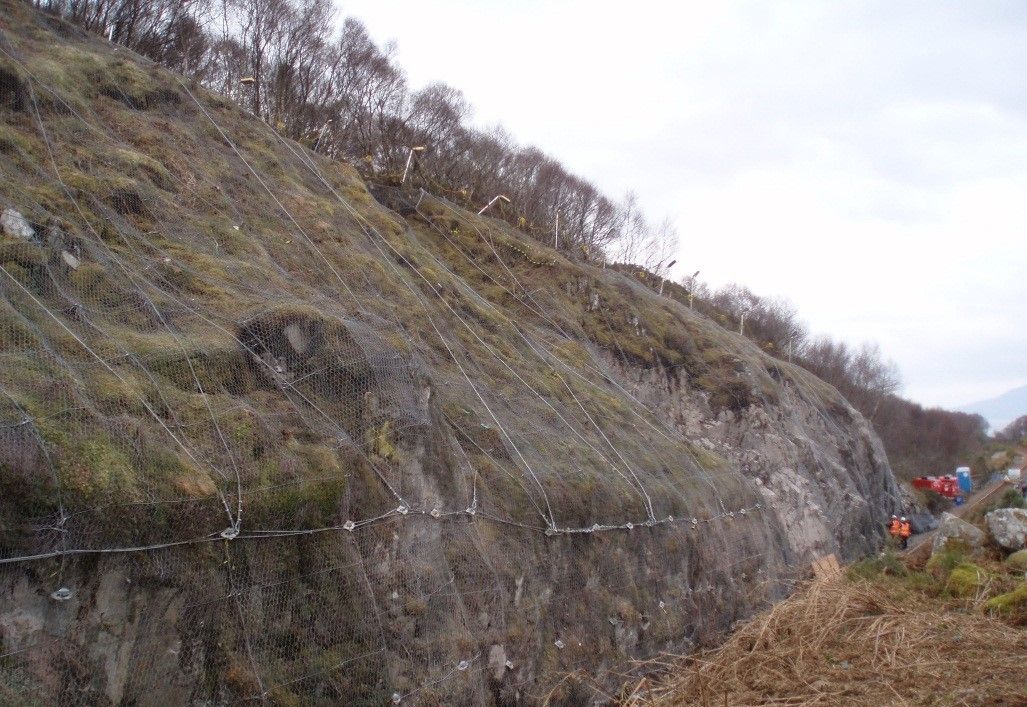
Project nearing completion
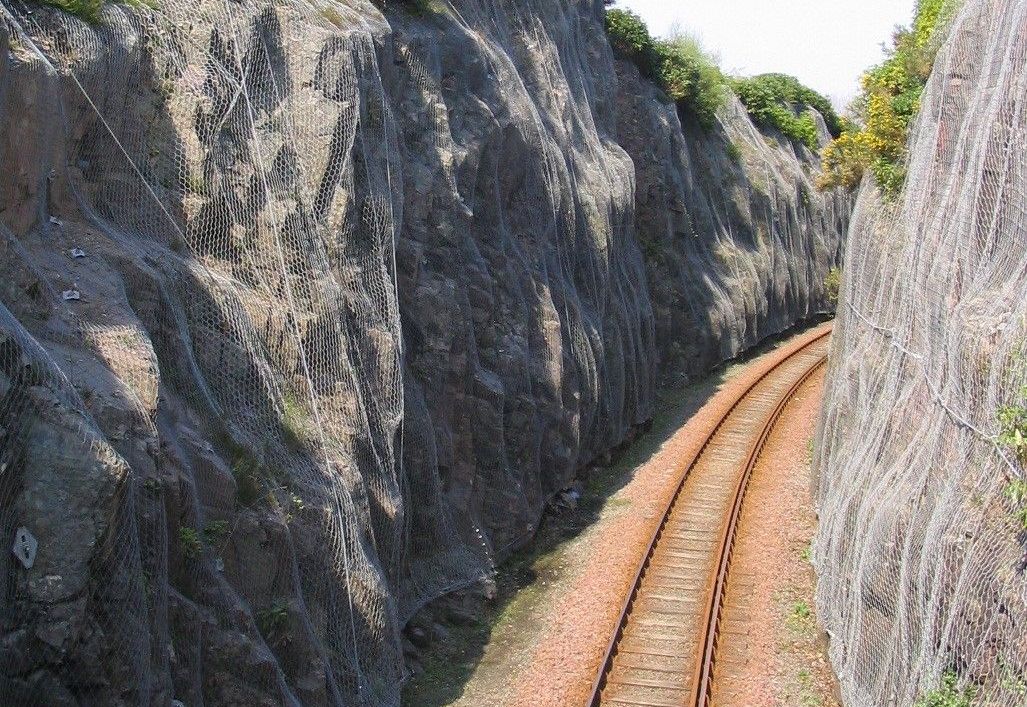
Completed project
Challenge
The Kyle Line, running between Inverness and Kyle of Lochalsh, represents one of the more remote and historically complex sections of Network Rail’s infrastructure. Constructed in phases due to funding constraints and significant engineering challenges, the route originally terminated at Stromeferry for an extended period. The eventual extension to Kyle of Lochalsh required the creation of over 90 individual rock cuttings through difficult terrain, a legacy that continues to present operational challenges today.
These rock cuttings form steep, exposed slopes that are inherently vulnerable to instability. Over time, weathering, vegetation growth, and natural geological conditions have increased the risk of rockfalls along the route. Such events pose a direct threat to the safe operation of the railway, with falling material capable of obstructing the track, damaging infrastructure, and endangering train movements. As a result, these slopes have become a critical asset management concern for Network Rail, requiring ongoing monitoring and intervention to mitigate risk.
Solution
To manage these risks, Network Rail has implemented a structured programme of annual inspections and geotechnical assessments across its rock slope assets, including those along the Kyle Line. As part of this strategy, a targeted programme of maintenance works, primarily vegetation clearance and manual scaling of loose material, was initiated in 2007.
During inspections at location KYL YD020, a specific section of cut slope up to 16 metres in height was identified as presenting a significant rockfall hazard. Early maintenance activities validated these concerns. Upon commencing vegetation clearance, TRAC Engineering identified a far more extensive instability issue than initially anticipated. Above the visible cut slope lay an additional mass of loosely stacked cobbles and boulders extending up to 40 metres in height, significantly increasing the potential volume of unstable material.
As vegetation was removed and the slope exposed, instability was triggered, resulting in a substantial rockfall event. Over 900 tonnes of material were dislodged, forcing the closure of the railway line for two days. During this period, TRAC Engineering carried out emergency stabilisation works to secure the slope and restore safe operating conditions.
This intervention highlighted both the scale of latent geotechnical risks along the Kyle Line and the importance of proactive inspection and maintenance regimes. It also reinforced the need for adaptive responses when unforeseen conditions are encountered, ensuring that safety remains the primary priority in managing such challenging assets.
Used Products