2017
Coed Darcy, Wales
St Modwen Homes/Persimmon Homes
Dawnus Construction/Econ Construction
Atkins
Coed Darcy Regeneration Project, South Wales
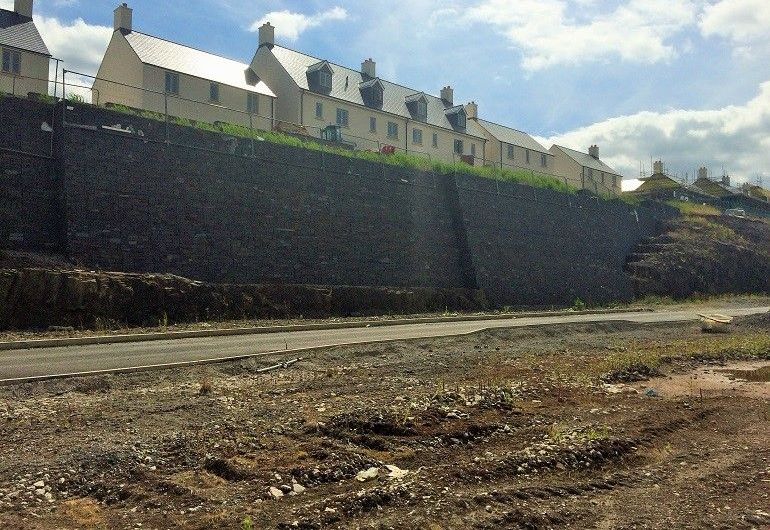
Welded gabion installed in Coed Darcy
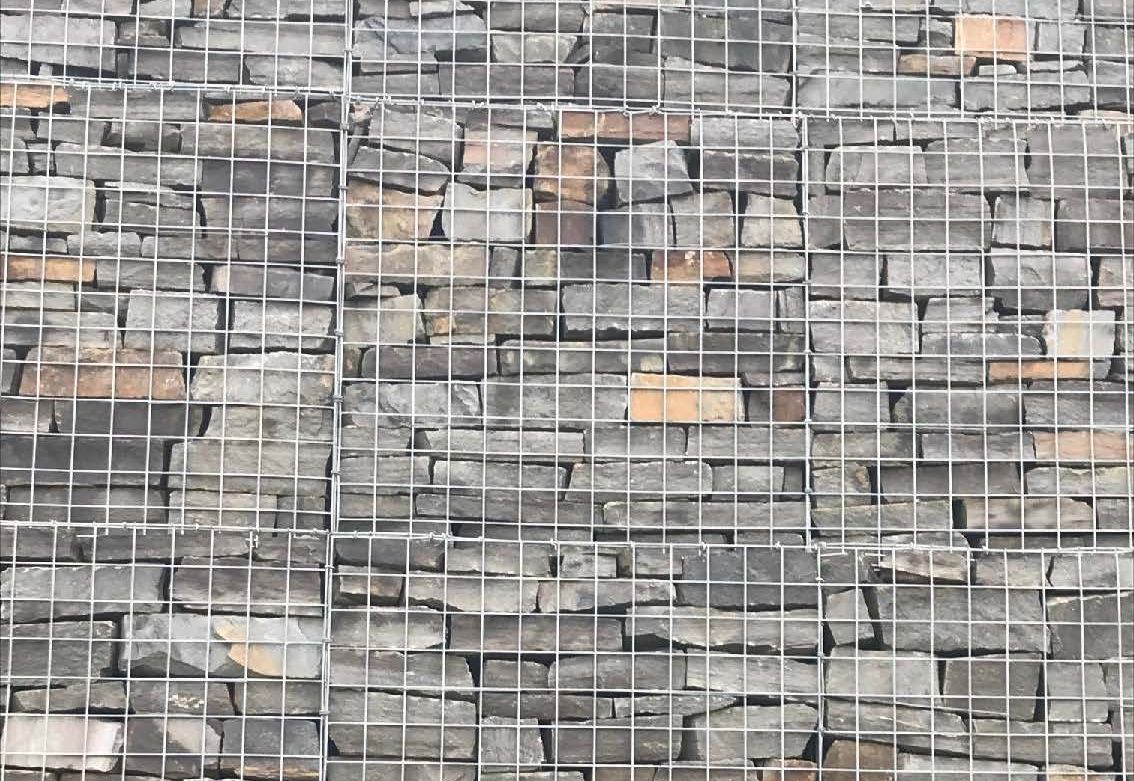
Maccaferri Construction hand placed the selected slate stone
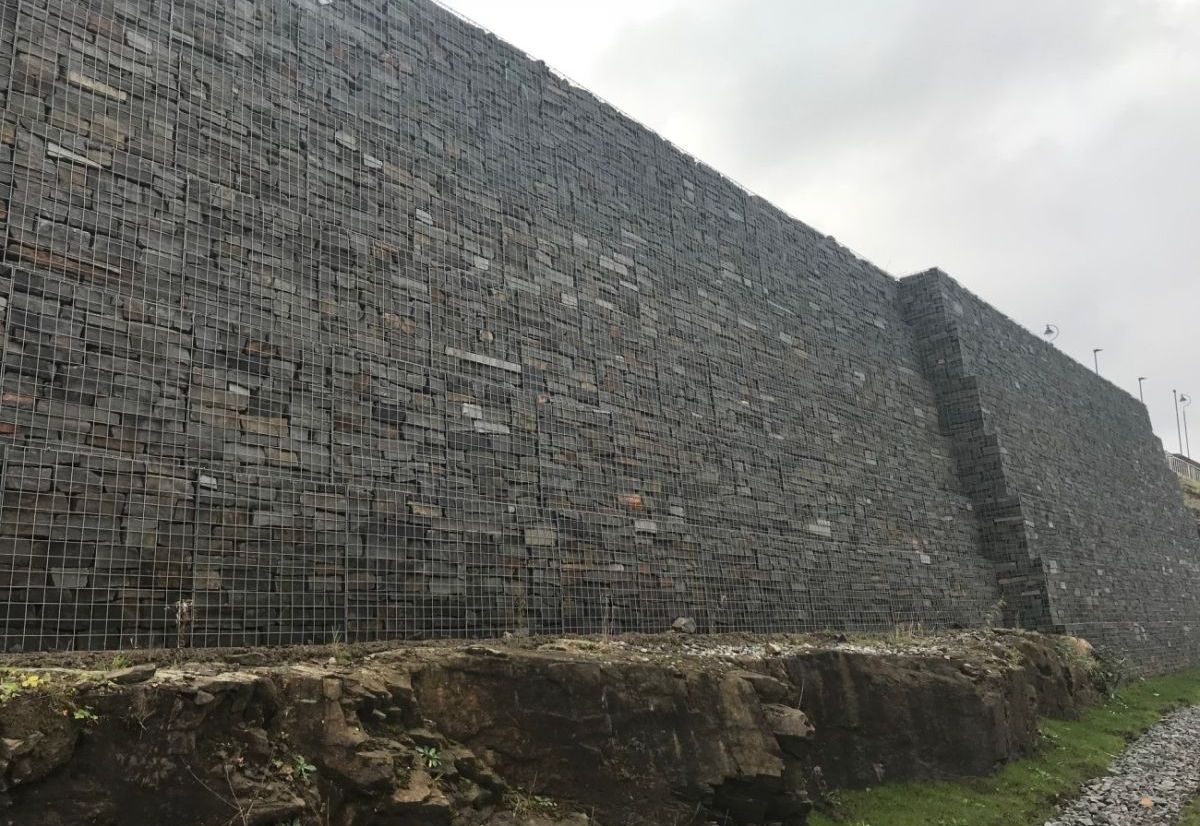
The wall is up to 7m in height
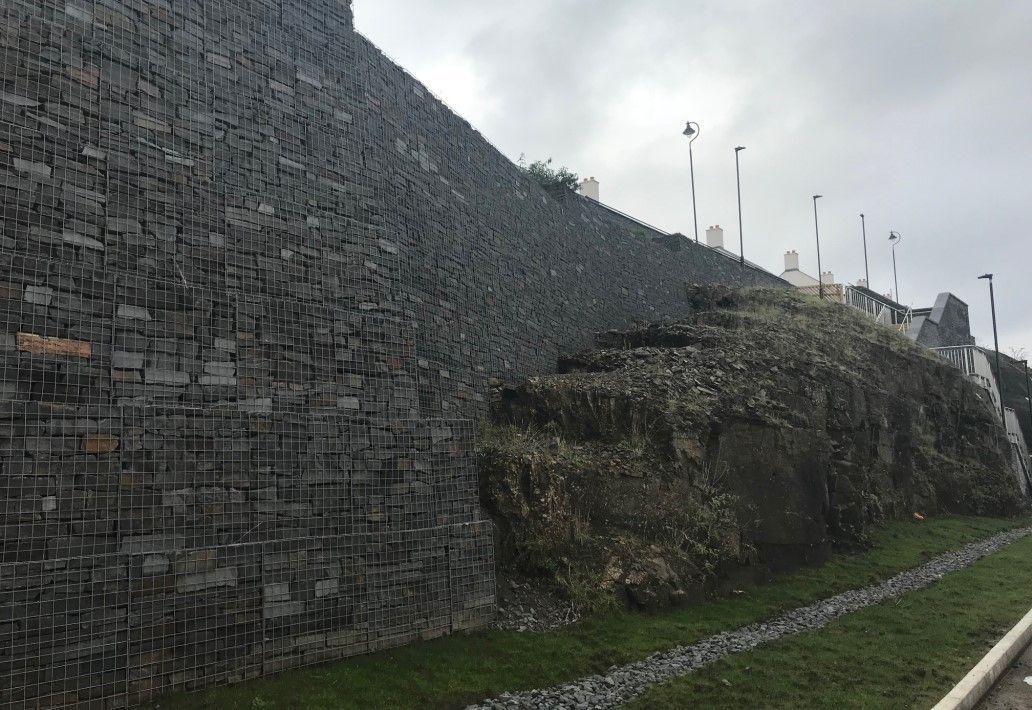
Successful interaction between gabions and existing rock face
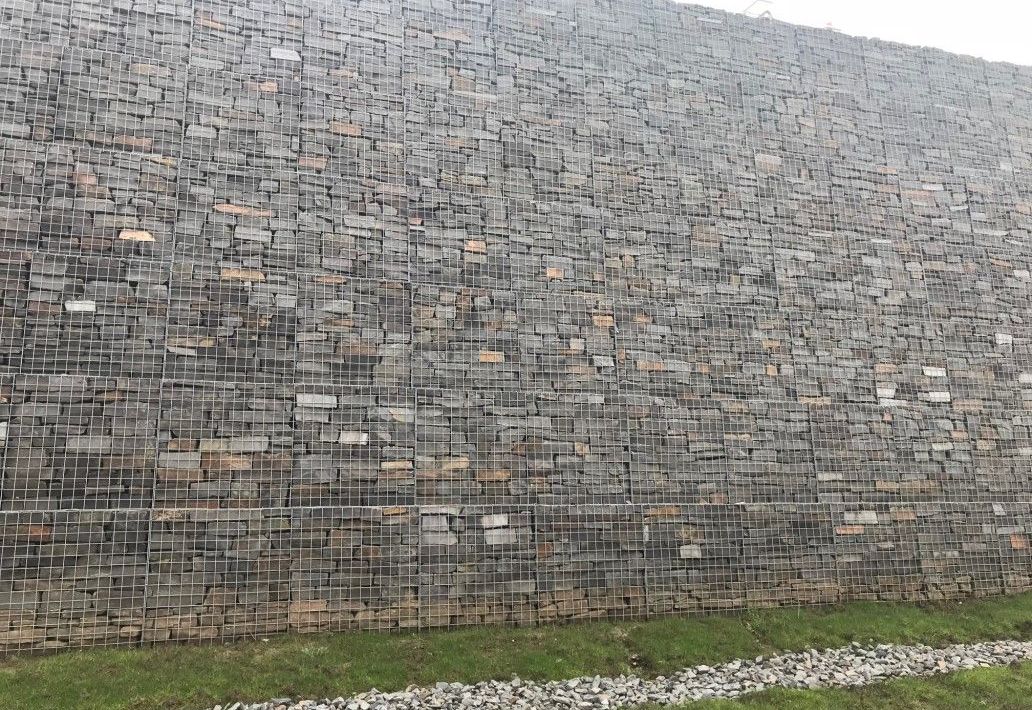
Mid section of the gabion aesthetically placed solution
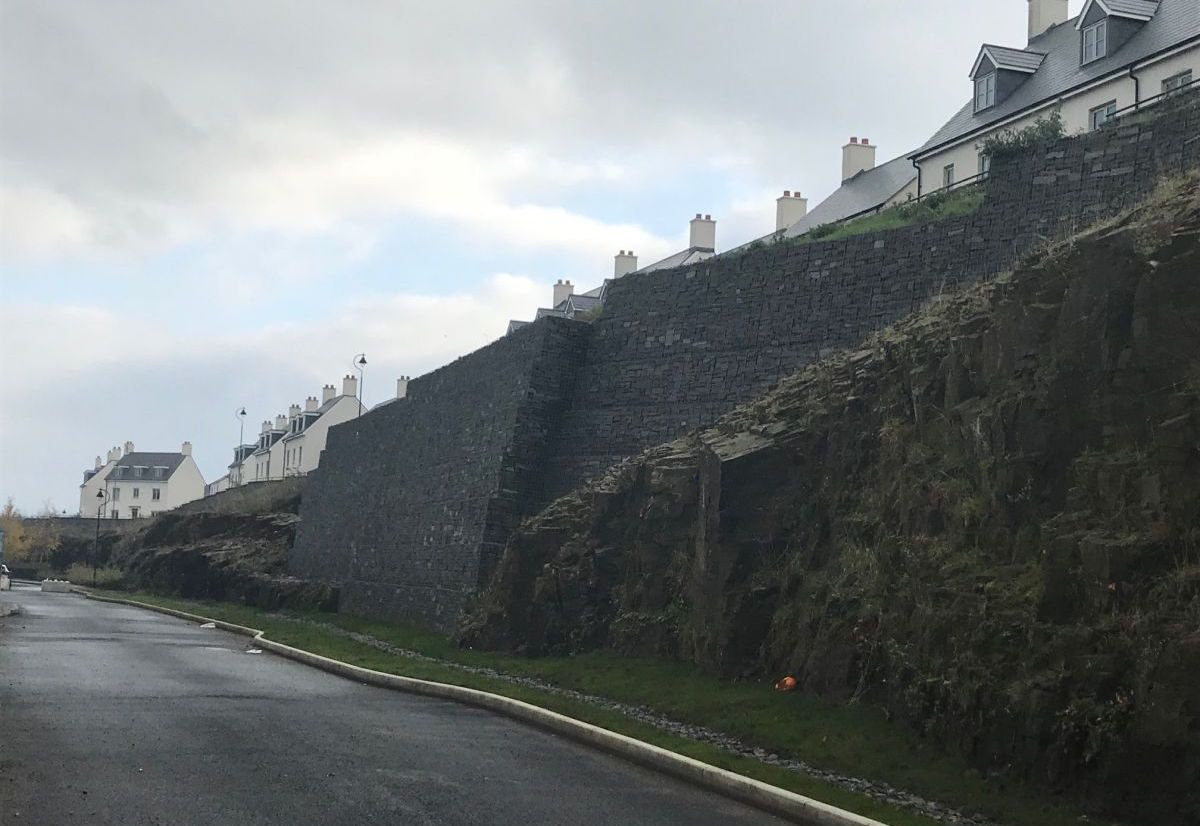
View of the gabion structure successfully integrated and surrounding rockface
Challenge
Coed Darcy, meaning “Darcy’s Woodland,” is a flagship regeneration development in Llandarcy, South Wales. The large-scale project spans over 1,000 acres of developable land and is strategically located near Neath and Swansea, with excellent transport connections via Junction 43 of the M4 and the A465 Heads of the Valleys road. This prime location makes it ideal for commuters and supports long-term regional growth.
The development is designed to accommodate more than 10,000 residents, forming a sustainable community with integrated retail, leisure, sports facilities, and extensive green open spaces. With an estimated economic impact exceeding £1 billion, Coed Darcy represents one of the most significant urban regeneration projects in South Wales.
Despite its potential, the site presented complex ground engineering challenges. The terrain included uneven ground conditions, exposed rock faces, and areas requiring stabilisation and retention. To enable safe construction and maximise usable land for residential gardens and walkways, robust and visually appealing retaining solutions were required. The challenge was to deliver effective ground stabilisation while maintaining high aesthetic standards suitable for a modern residential development.
Solution
As part of phase one of the Coed Darcy development, led by St Modwen Homes and designed by Atkins, a high-performance gabion retaining wall solution was implemented by Maccaferri Construction in summer 2016.
The project involved the installation of an 85-metre-long gabion retaining wall, with a total volume of approximately 800m³. The structure was built using 4mm welded mesh gabions, selected for their superior aesthetic finish compared to traditional woven gabions. The units were filled with 6G gabion stone and featured a carefully placed front-facing layer of slate to enhance visual integration with the surrounding landscape.
Founded directly onto exposed bedrock, the retaining wall reached a maximum height of 7 metres, delivering effective slope stabilisation while creating functional garden and pedestrian walkway spaces. Although woven gabions are typically specified for retaining walls of this scale, the specific site conditions at Coed Darcy allowed welded gabions to be used. This was possible because the structure primarily acted as a cladding solution to stabilised rock faces rather than a fully load-bearing retaining system.
In phase two of the works, completed in July 2017, Maccaferri Construction installed a second, smaller gabion retaining wall. This structure served a dual purpose: partially cladding exposed rock and providing additional retaining support for landscaped garden areas above.
The Coed Darcy project highlights how welded gabion retaining walls can deliver both structural performance and architectural appeal. By combining ground stabilisation with high-quality visual design, the solution supports the creation of a sustainable, attractive living environment while addressing complex geotechnical challenges.
Used Products