2016
Helsby, Cheshire
MHW/Black & Veatch
Ward & Burke
Geocentrix Limited
Biomass Energy Plant Ground Improvement Geogrid Solution on Weak Soil
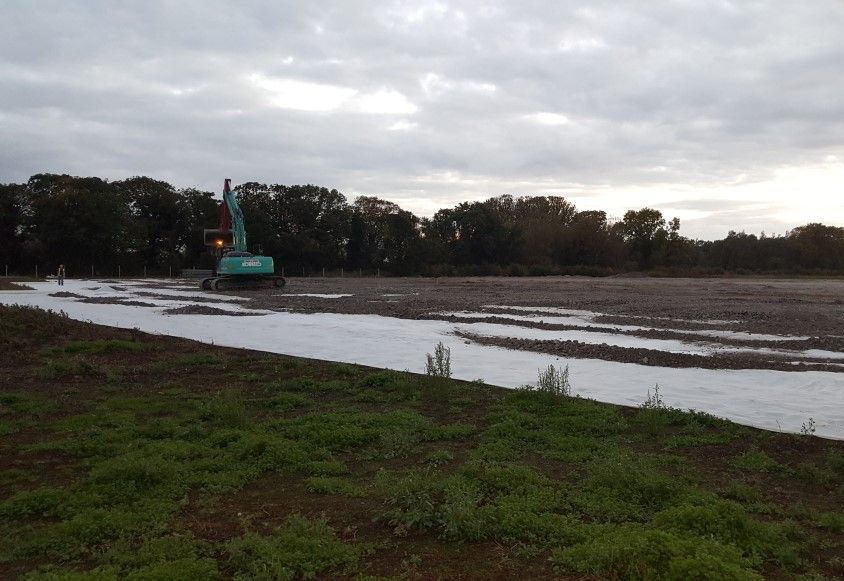
MacTex W2 laid over the existing ground – Oct 2015
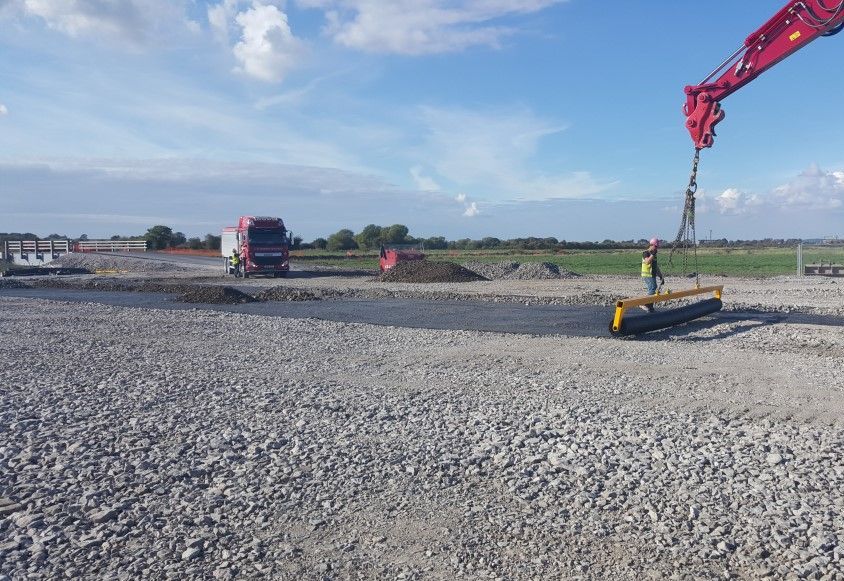
MacGrid WG laying operation using a spreader bar
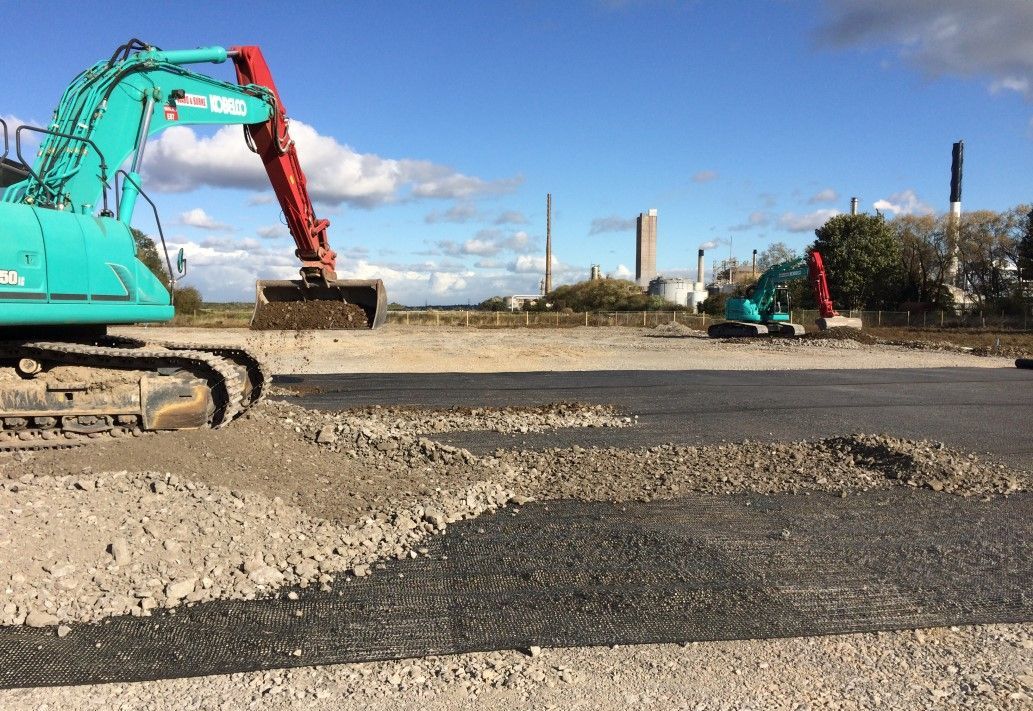
Placement of granular material (in this case, Class 6F5 SHW)
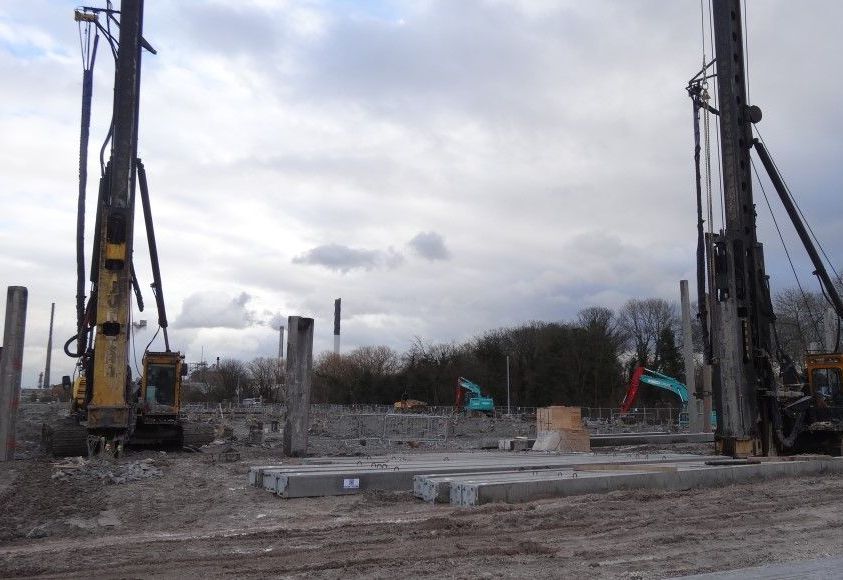
Junttan PM20 machines during final operation in Jan 2016
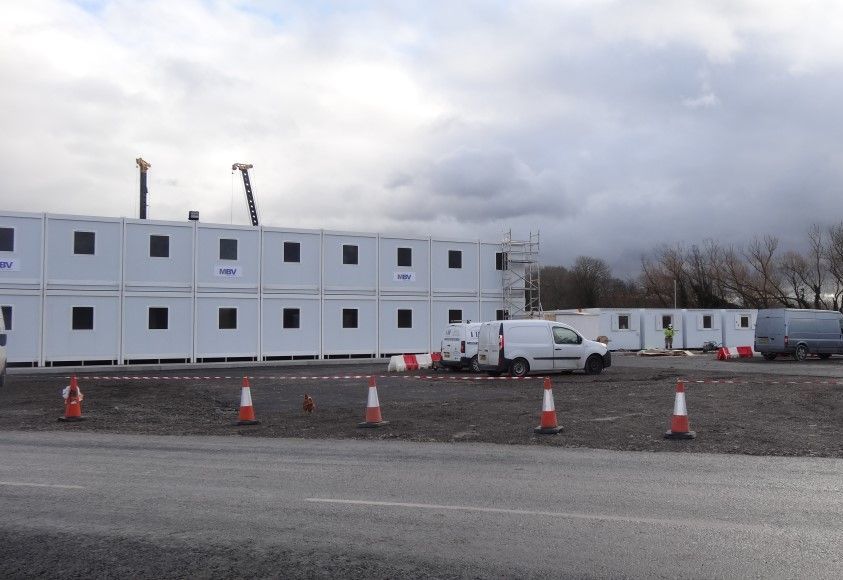
Soil stabilisation using MacGrid WG in the compound/parking areas
Challenge
The development of a £100 million Carbonaceous Biomass Facility for MWH Treatment Ltd presented significant geotechnical challenges. Located at Ince near Helsby, Cheshire, the site sits within the Ince Marshes floodplain of the River Mersey, an area well known for poor ground conditions. The project aimed to replace a previously approved bioethanol plant with a modern biomass energy facility capable of processing up to 175,000 tonnes of fuel annually and generating renewable electricity for approximately 37,000 homes, alongside potential heat and steam supply for local industry.
However, the underlying soil profile posed a major obstacle. The site is characterised by deep deposits of soft alluvial clay and peat extending to depths of around 10 metres. These materials exhibit extremely low strength, with a minimum undrained shear strength of just 7.5 kPa. Such weak subgrade conditions significantly increase the risk of excessive settlement, bearing failure, and instability under heavy construction loads, particularly from cranes and piling rigs.
Given the scale of the infrastructure and the intensity of construction activities, a conventional foundation or working platform solution would have been inefficient, costly, and potentially unsafe. A robust ground improvement and load distribution strategy was therefore essential to ensure both construction viability and long-term performance.
Solution
Maccaferri delivered an innovative geotechnical solution using advanced geogrid reinforcement technology combined with a proven analytical design methodology. This approach was specifically developed to address heavy load applications over weak soils and has been validated through international geotechnical and geosynthetics conferences.
The design method involved modelling construction loads as acting over defined rectangular areas, incorporating real load data from heavy plant machinery such as cranes and piling rigs. This allowed for accurate simulation of load distribution and interaction with the weak subgrade.
A key aspect of the solution was the calculation of tensile forces within multiple layers of geogrid reinforcement. These forces were generated by three primary mechanisms: horizontal stresses from the self-weight of the fill materials, dynamic and static loads from construction traffic, and the membrane effect occurring at the interface between the subgrade and the reinforced platform.
By analysing these factors, Maccaferri was able to optimise both the number and specification of geogrid layers required. The result was a high-performance reinforced working platform capable of distributing loads efficiently, reducing settlement, and maintaining stability across the site.
This geosynthetic solution provided a cost-effective and sustainable alternative to traditional ground improvement methods, enabling safe construction on extremely weak soils while supporting the long-term operational demands of a major renewable energy facility.
Used Products