08 July 2026
Why Many Road Problems Start with Slopes
A road can look perfectly fine and still be quietly losing ground. While traffic moves as usual and the surface shows no obvious damage, the slopes beside it may already be changing. These early, almost invisible processes are where erosion begins, long before the problem is noticed or addressed.
Road Slopes: A Critical Area Often Overlooked
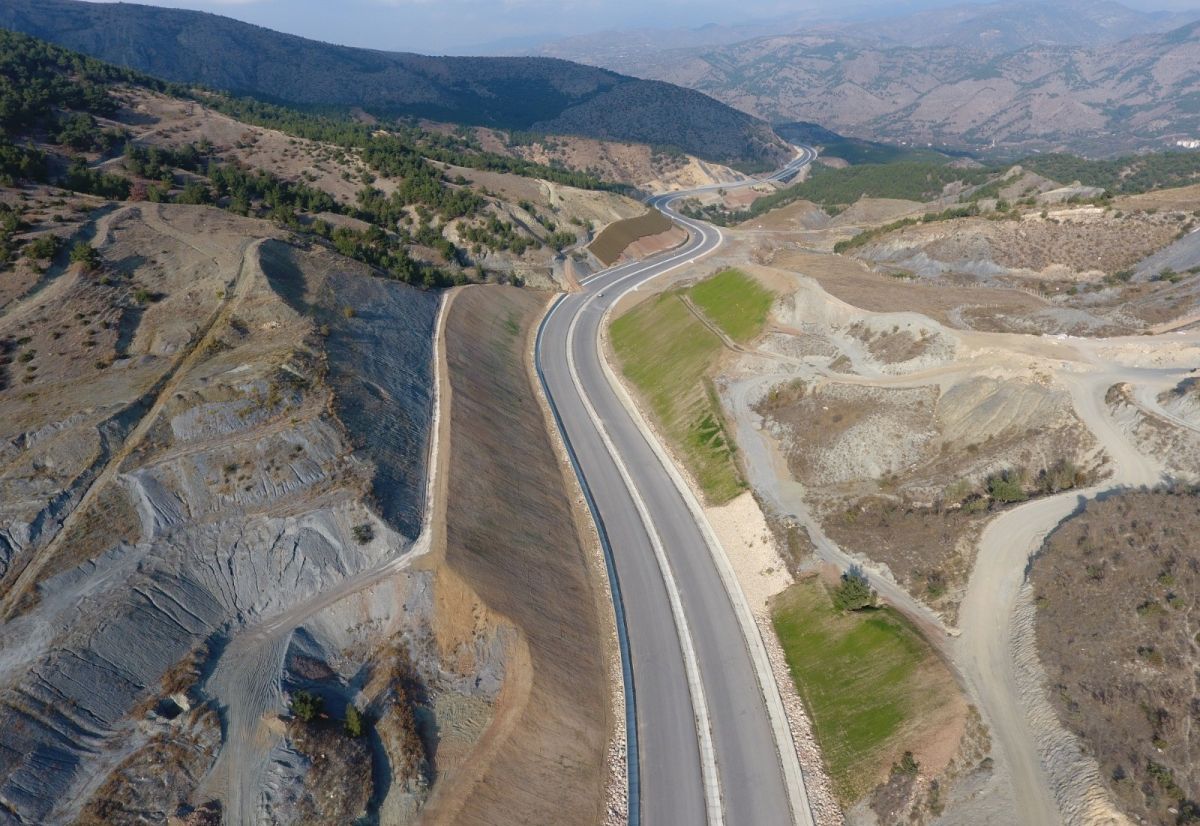
In many road projects, primary attention is typically given to pavements, main retaining structures, and geometric road elements. Slopes along the roadside are often treated as secondary components and only receive attention once problems have already emerged.
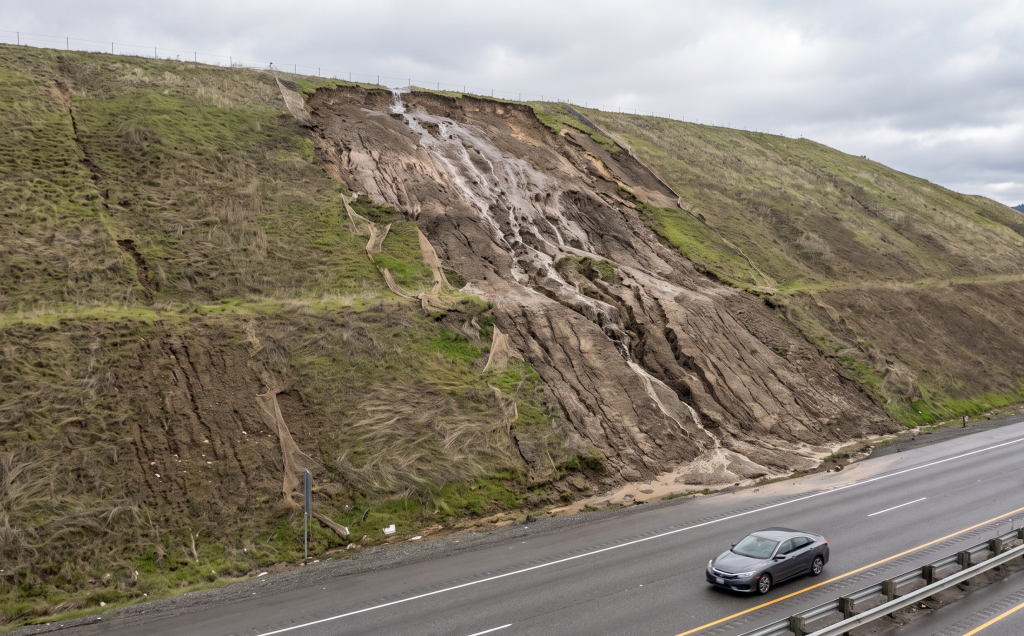
In reality, upper and lower slopes serve very different functions, yet both are equally critical to overall road performance. Upper slopes act as catchment areas for rainfall. This is where surface runoff first forms, carrying energy and erosion potential downslope. If left uncontrolled, this flow accelerates surface degradation and places additional stress on the systems below.
Conversely, lower slopes become the receiving zones for all these impacts. Runoff water, eroded soil material, and earth pressures accumulate in this area. Scour at the slope toe is often the initial trigger for more significant slope failures. When one side of the slope system is not properly addressed, the consequences do not remain localized but can propagate to the road structure and surrounding infrastructure.
Erosion Does Not Happen Overnight
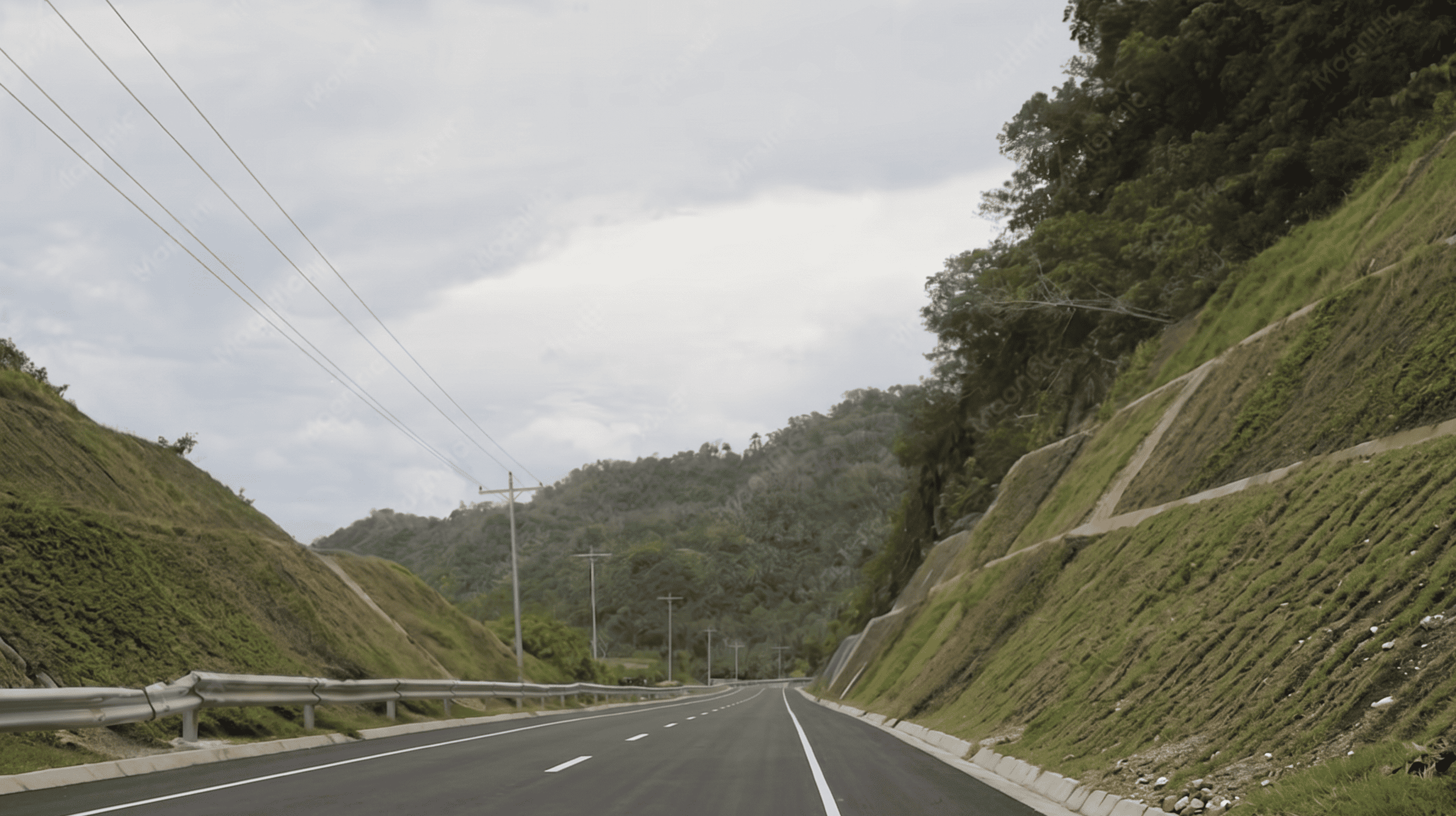
One of the biggest challenges in erosion control is its gradual nature. The process rarely occurs suddenly. Instead, it develops slowly as a result of a combination of factors, such as:
- The intensity and direction of water flow
- Slope surface conditions
- Soil type and characteristics
- Ineffective drainage systems
Because it progresses gradually, erosion is often only recognized once the condition has become severe and requires more complex intervention.
Conventional Approaches Are Not Always Enough
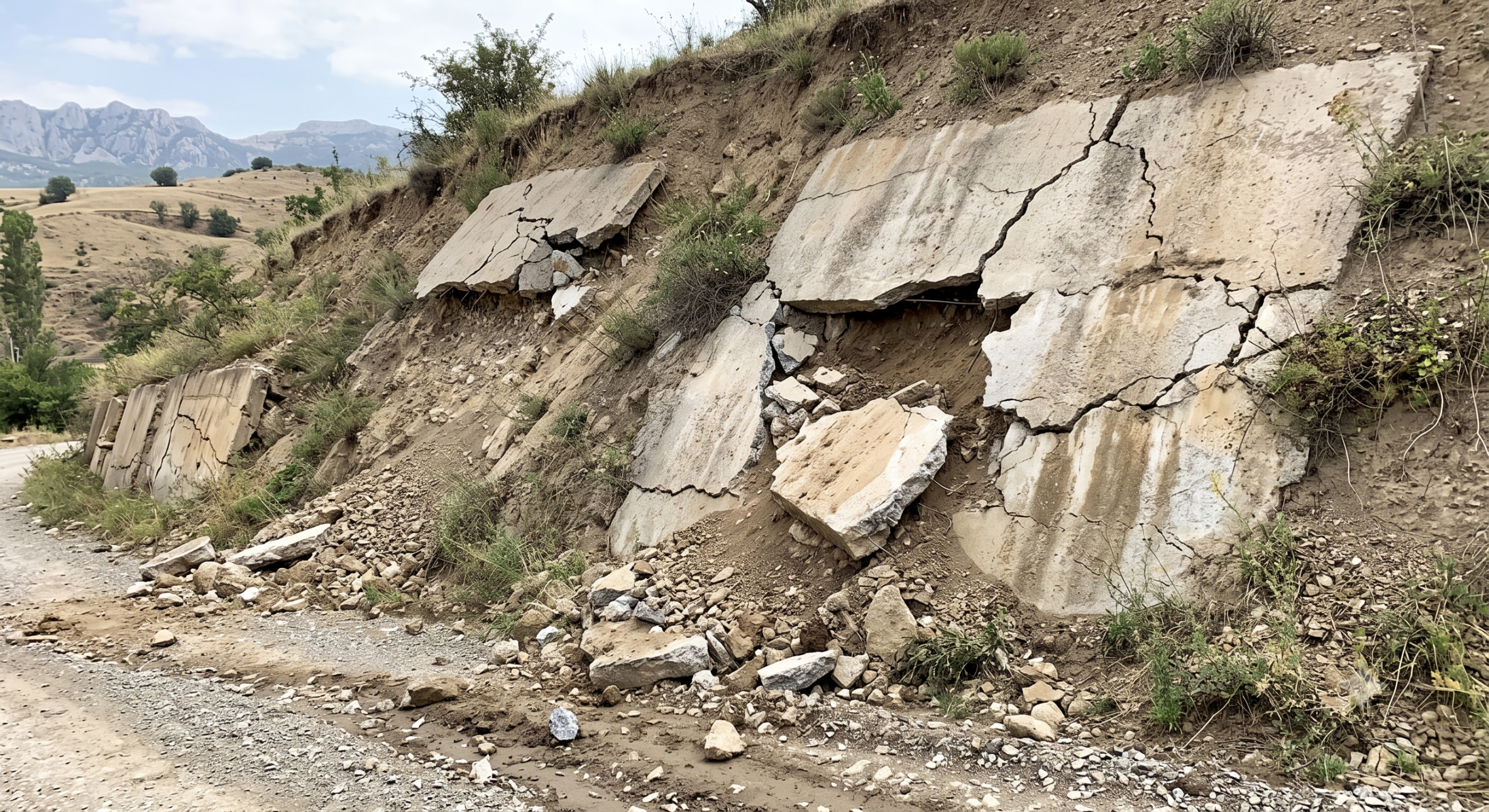
In practice, erosion control on road slopes is often carried out reactively. When problems arise, solutions tend to focus on surface covering or mechanically retaining soil to prevent further movement. While these measures may deliver quick results, they do not always address the root causes of the problem.
Without a solid understanding of water behavior and soil–water interaction on slopes, conventional solutions risk simply shifting the problem from one location to another. Poorly managed water flows may find new paths, leading to further erosion in areas that were previously unaffected.
Over time, this approach often results in a cycle of repeated repairs. Slopes are fixed, then fail again, and the cycle continues. This not only increases costs but also disrupts road operations and elevates the risk of more severe failures.
Why a Sustainable Approach Is Relevant
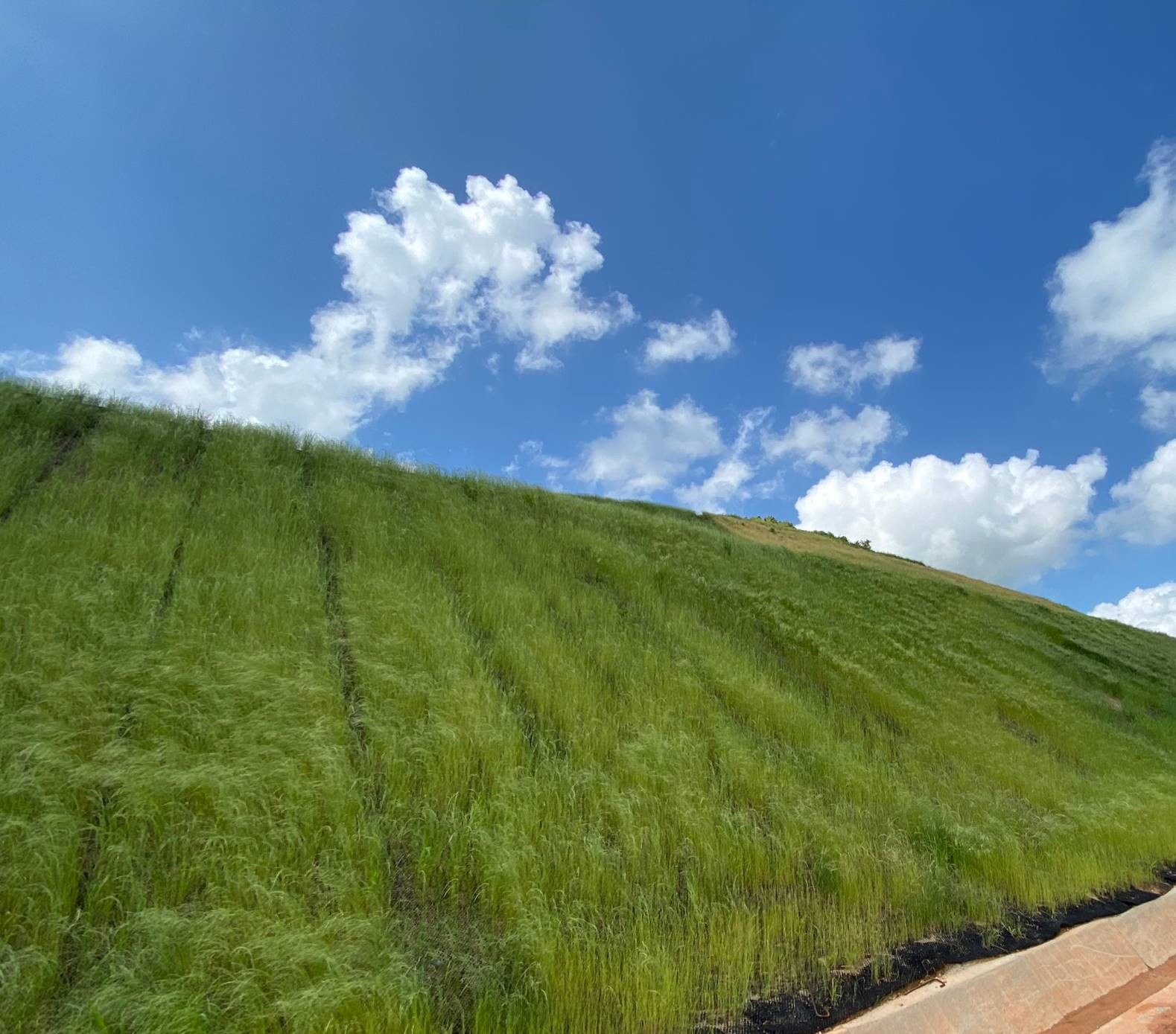
A sustainable approach to erosion control is not just about using environmentally friendly materials. More importantly, it views the slope as an integrated system involving soil, water, and the surrounding environment.
Applying the right technical approach from the outset can help to:
- Support a longer service life of the road
- Significantly reduce erosion rates
- Maintain long-term slope stability
- Minimize the need for repeated repairs
Learn More in Our Technical Webinar
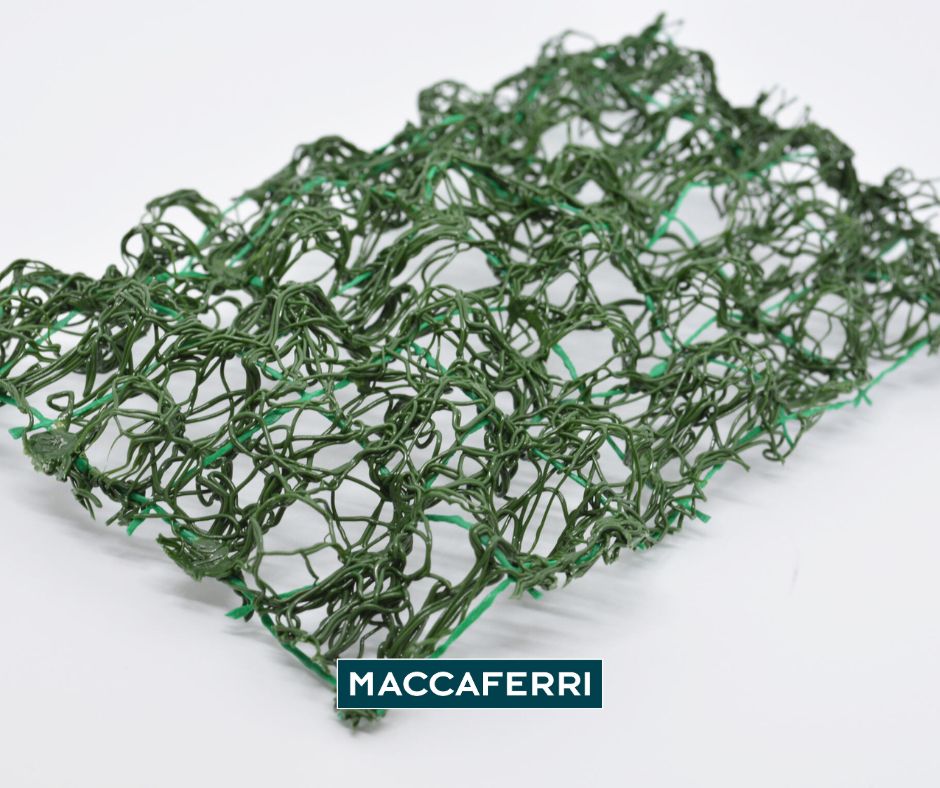
These are the key topics that will be explored in greater depth in the webinar “Challenges of MSE Walls in Cohesive Soils: How ParaDrain Becomes the Solution.” This webinar is designed for engineers seeking a more realistic understanding of technical challenges and how drainage solutions can be applied based on real project case studies.

Request technical consultation
Get in touch with Maccaferri Indonesia and explore how we can work together.