15 June 2026
MSE Walls in Cohesive Soils: Challenges That Are Not Always Visible
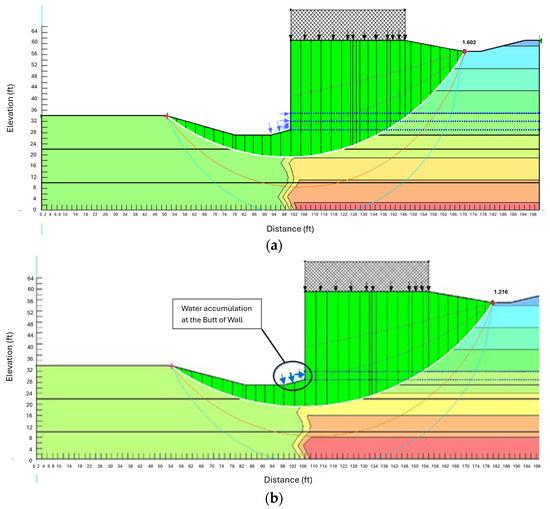
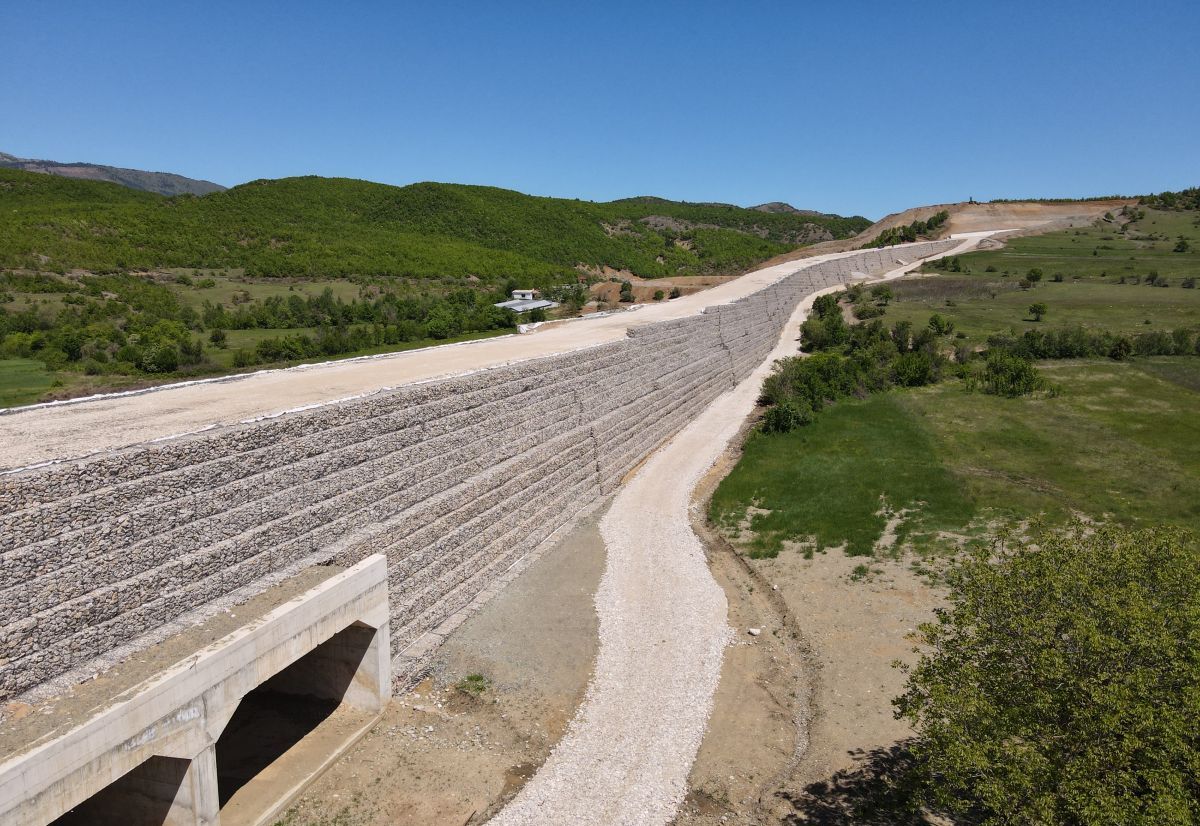
MSE walls are often chosen for their efficiency, flexibility, and proven structural performance. In many projects, the wall appears stable once construction is complete. However, in cohesive soil conditions, the real challenges often emerge only after the structure is in place. Water does not immediately appear as a threat. Pore water pressure is not always detected at an early stage. And when its impact becomes apparent, corrective measures are no longer simple.
The Core Issue: Cohesive Soil Behavior and Water
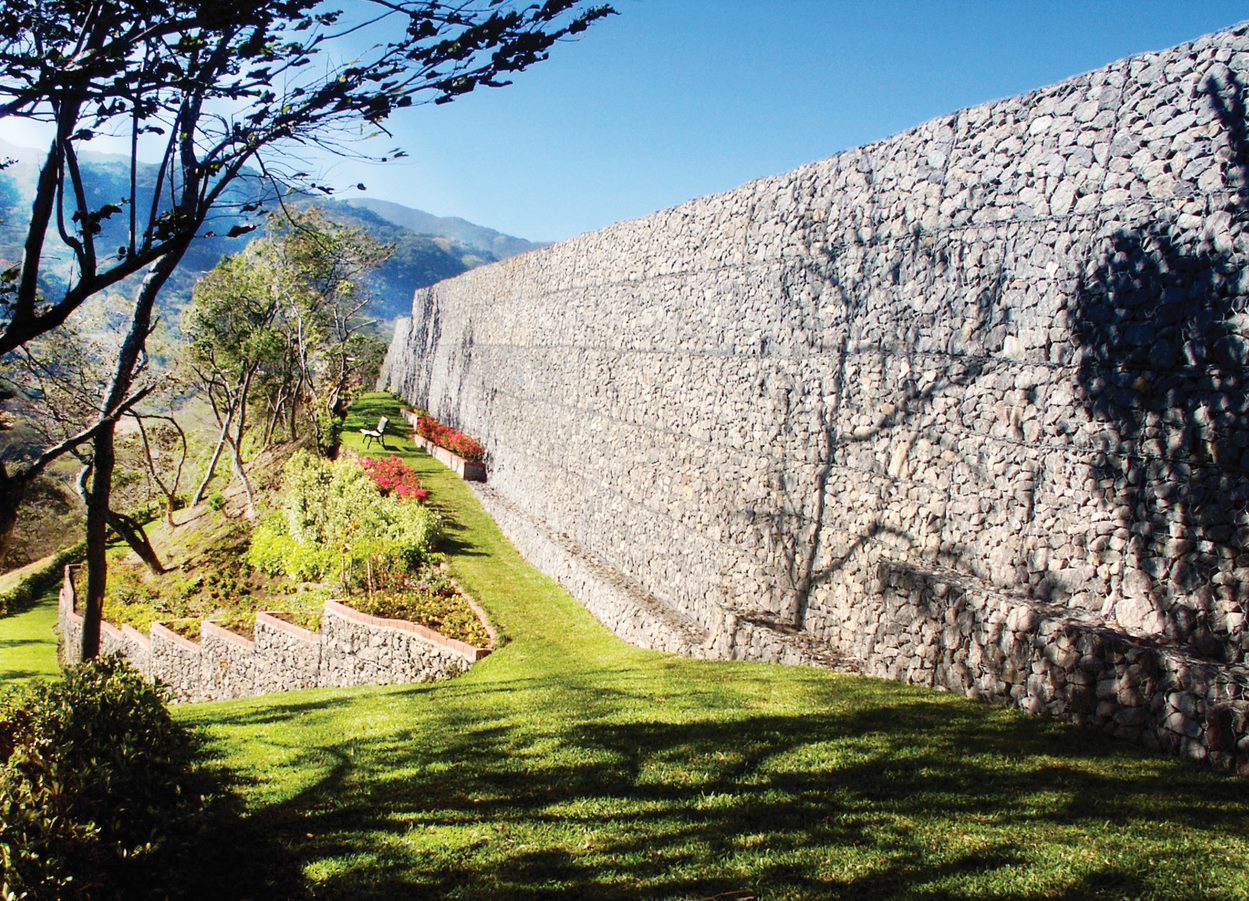
Unlike granular soils, cohesive soils such as clay and silt are dominated by fine particles that stick together and rely on cohesion for strength. These soils typically have low permeability, meaning water that enters the system dissipates very slowly. As a result, pore water pressure can accumulate behind the MSE wall structure.
Under certain conditions, this can lead to:
- A reduction in effective stress within the soil
- Decreased shear strength
- Increased wall deformation
- Long-term stability risks
These issues often do not appear during early construction stages but develop over time as site conditions change.
Real Impacts in the Field
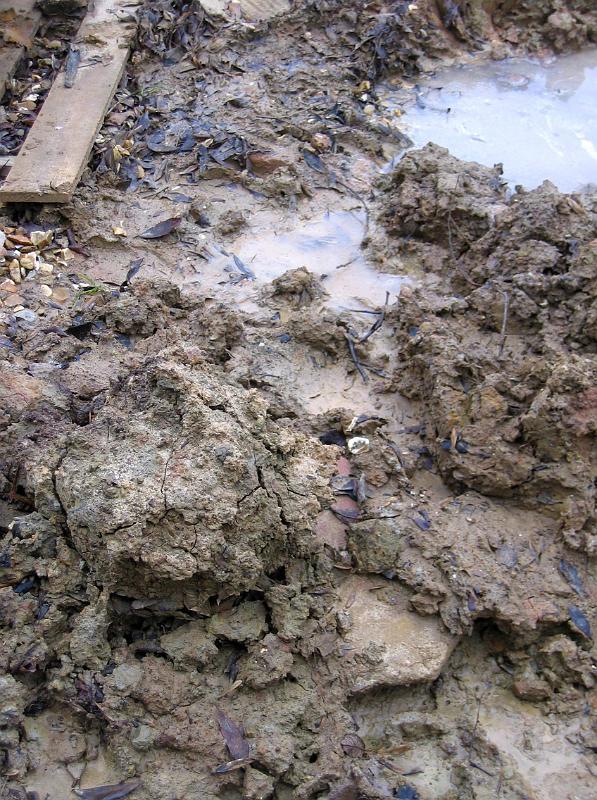
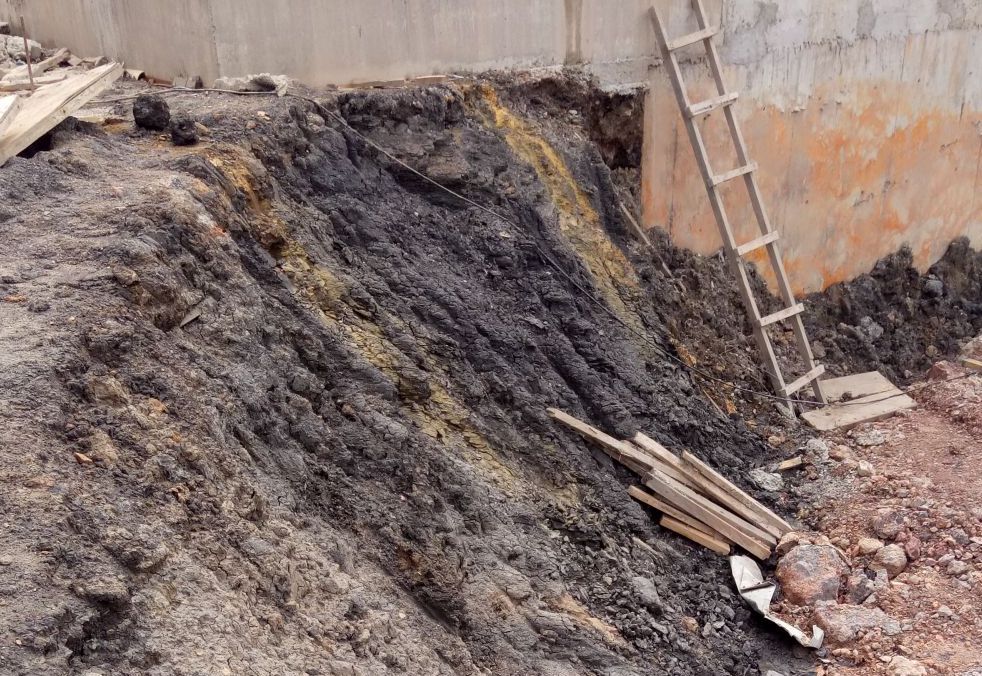
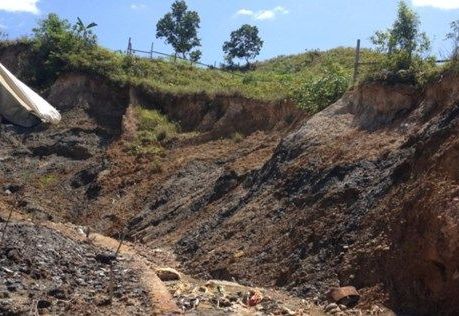
In many projects, challenges with MSE walls in cohesive soils are observed as:
- Wall movements exceeding design expectations
- Reduced structural performance after rainfall events
- The need for post-construction strengthening
- Significant gaps between design assumptions and actual field conditions
Over the long term, these conditions can increase maintenance costs and the risk of functional failure.
Why Conventional Approaches Are Often Insufficient
In many MSE wall designs, drainage systems are still treated as supporting elements rather than core components of structural stability. Approaches that work well in granular soils are often applied to cohesive soils without adequate adjustment.
As a result:
- Pore water pressure is not effectively controlled
- Drainage performance deteriorates over time
- Hidden risks remain within the system
This is where the gap between theoretical design and field reality often becomes evident.odern hydraulic engineering now focuses on solutions that combine flexibility, durability, hydraulic performance, sustainability and faster installation.
Drainage as a Key Factor in MSE Wall Performance
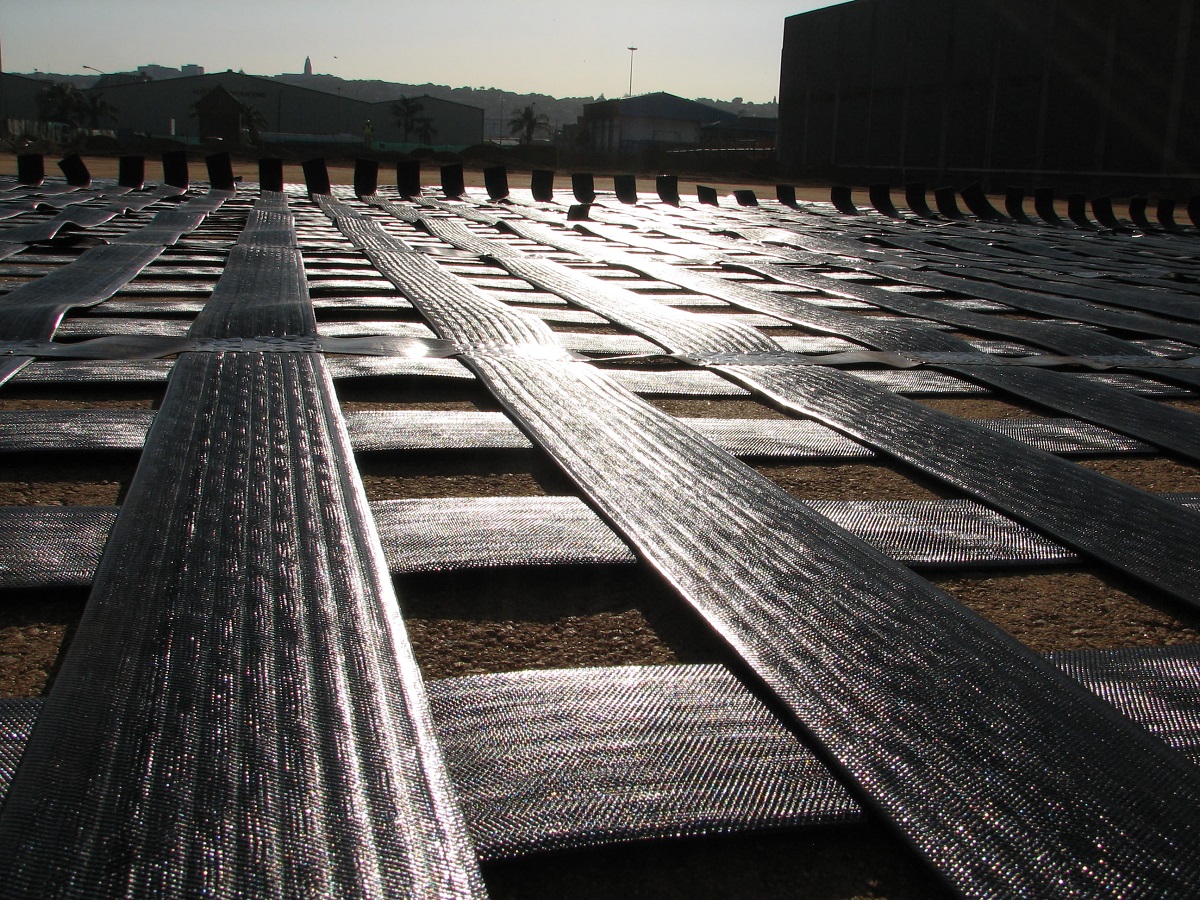
For MSE walls in cohesive soils, drainage is not merely an accessory. It plays a direct role in controlling water, maintaining effective stress, and ensuring the structure performs as intended.
A well-designed drainage approach can:
- Significantly reduce pore water pressure
- Improve long-term stability
- Minimize excessive deformation
- Deliver more consistent performance throughout the service life of the structure
Learn More in Our Technical Webinar
These are the key topics that will be explored in greater depth in the webinar “Challenges of MSE Walls in Cohesive Soils: How ParaDrain Becomes the Solution.” This webinar is designed for engineers seeking a more realistic understanding of technical challenges and how drainage solutions can be applied based on real project case studies.
Request technical consultation
Get in touch with Maccaferri Indonesia and explore how we can work together.