20 February 2026
How Modern Landfill Design is made for Long-Term Reliability
Imagine a landfill that, from the outside, looks perfectly “fine.” Its surface is neatly covered, there is no pungent odor, and daily operations run as usual. Yet far beneath the surface, leachate pressure is building up. Rainwater slowly infiltrates through small cracks in the cover system. Uneven settlement begins to create additional stress on the geomembrane. Everything appears stable until one day the system no longer performs as it was designed to. In many cases, landfill failure does not happen suddenly. It starts with small weaknesses: inadequately protected liner connections, suboptimal drainage systems, or capping designs that do not account for long-term settlement. Over time, these weaknesses grow into significant environmental and structural risks. The question is: do we still see landfills as merely disposal sites, or as long-term environmental protection infrastructure?
The Reality of Waste Management in Indonesia and Why Integrated Landfill Design Matters
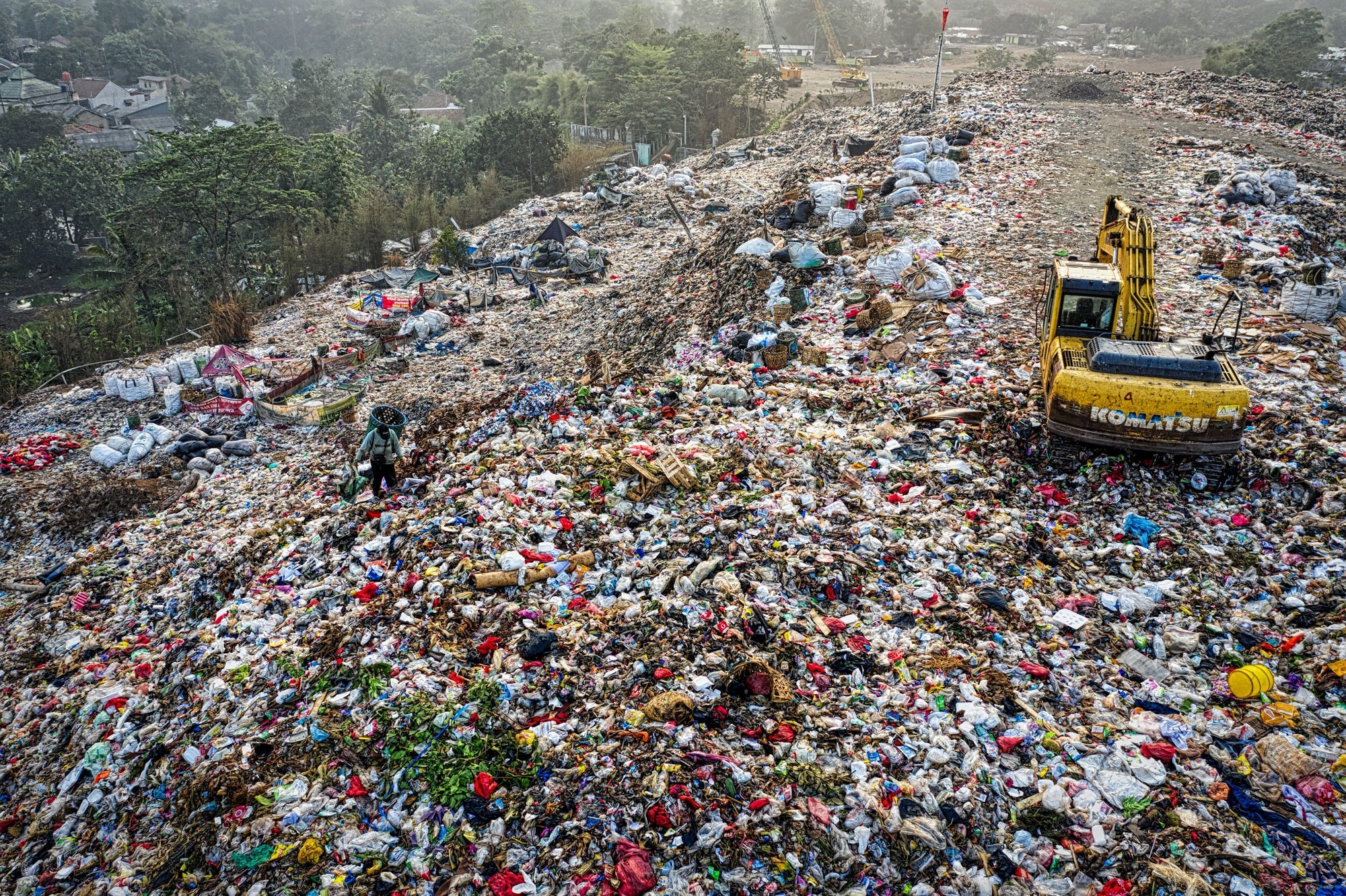
In Indonesia alone, tens of millions of tons of municipal waste are generated every year and large proportions of it are still unmanaged or disposed of in open dumping sites rather than engineered landfills. In 2023, Indonesia recorded nearly 31 million tons of waste, but only about two-thirds of that was formally managed, leaving over 10 million tons effectively unmanaged which is a huge burden on landfill systems and the environment. (Katadata, 2024)
Many sites still rely on open dumping or landfills that are not fully engineered. Meanwhile, pressure on landfill capacity continues to increase, alongside rising regulatory demands and environmental awareness.
This is where integrated landfill design becomes critical.
One of the most common mistakes in landfill planning is treating bottom lining, the waste body, and capping as separate elements. In reality, failures rarely occur because of a single poor material choice, but rather due to insufficient consideration of how these layers interact over time.
The bottom liner acts as the primary barrier against leachate migration into soil and groundwater. Without a properly designed drainage system, however, excess pore water pressure can build up and place additional stress on the geomembrane. Likewise, capping systems that do not account for long-term settlement are vulnerable to cracking, leakage, and loss of performance.
An integrated approach ensures that liner systems and capping work in harmony throughout the entire life cycle of the landfill.
Liner Systems: The Foundation of Environmental Protection
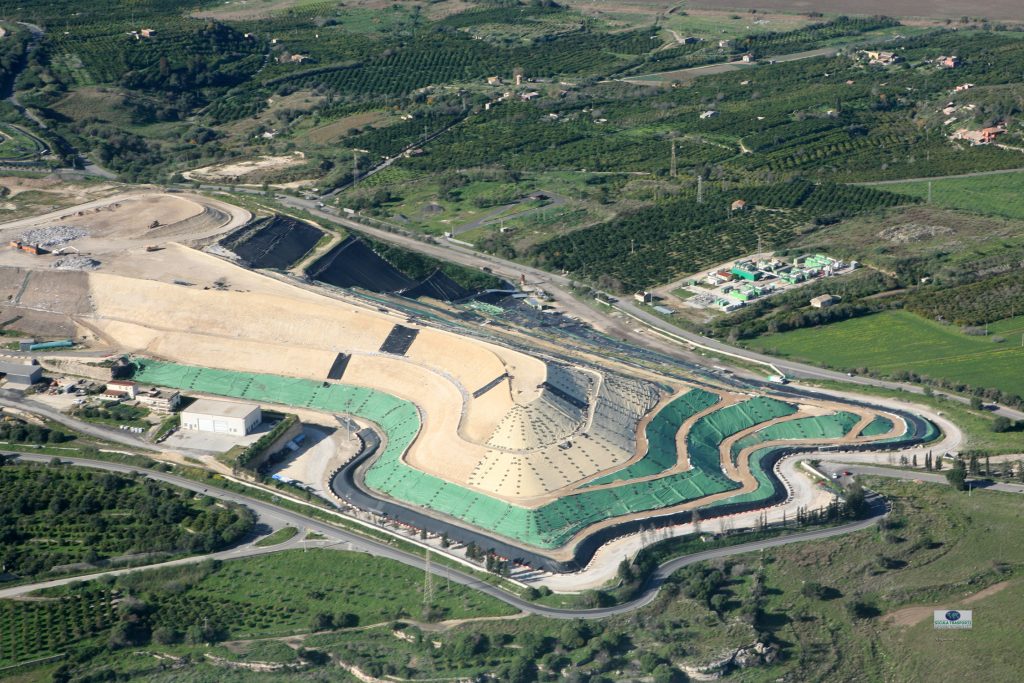
In modern landfill design, liner systems are no longer just about meeting minimum permeability requirements. They must respond to subgrade conditions, waste loads, and long-term deformation risks.
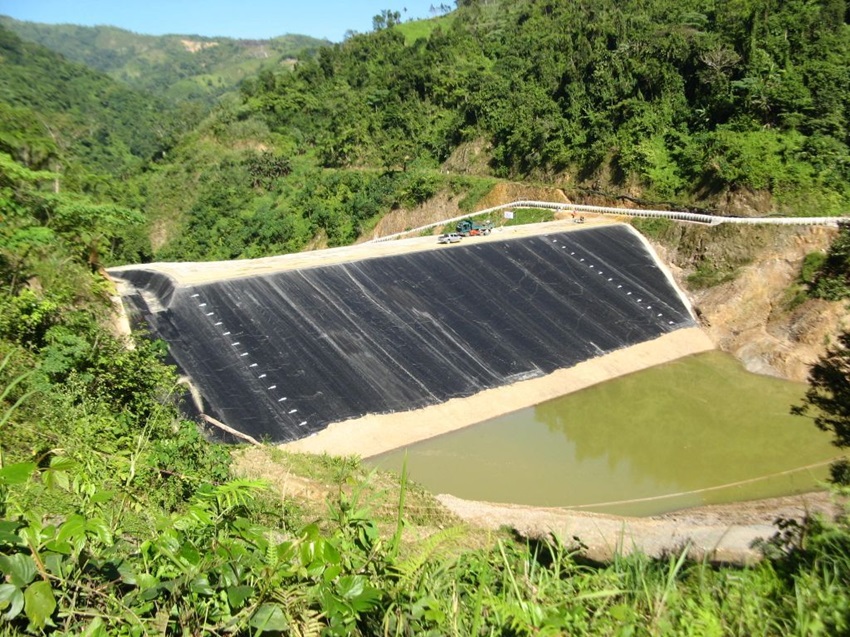
Maccaferri develops liner solutions that combine geomembranes, geosynthetic clay liners (GCLs), and geocomposite drainage systems. The use of geosynthetics allows for increased landfill volumetric capacity, reduced reliance on thick natural layers, and greater design flexibility on steeper slopes, without compromising safety.
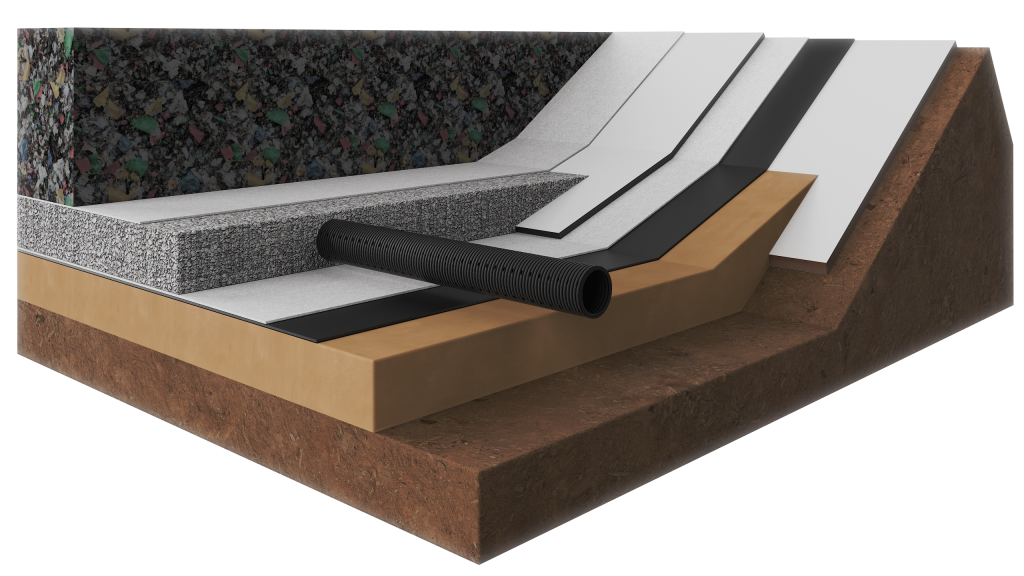
Within the Indonesian regulatory context, these systems are designed to comply with the requirements of Ministry of Environment and Forestry Regulation No. 6 of 2021, for Class I, II, and III landfills, with technical approaches tailored to waste characteristics and site conditions.
| Landfill Class | Intended Use (Type of Hazardous Waste – B3) | Liner System | Additional Features | Waste Examples |
|---|---|---|---|---|
| Class I | High-hazard hazardous waste (B3), highly toxic, reactive, corrosive, easily explosive, or highly polluting | Double liner: 2 layers of geomembrane + leak detection system | Leak detection system, double protection | Toxic medical waste, mercury, cyanide |
| Class II | Moderate-hazard hazardous waste (B3), moderately toxic, or stable but still has potential to pollute the environment | Single liner: 1 geomembrane layer + clay liner | Leachate collection system, without leak detection | Industrial sludge, waste from non-acute chemical processes |
| Class III | Low-hazard hazardous waste (B3), non-reactive, not easily explosive, not easily soluble, and not acutely toxic | Clay liner: Compacted clay layer | Location must be geologically safe, minimal control required | Coal ash, stable used oil filters |
Capping Systems: Closing Safely and Sustainably
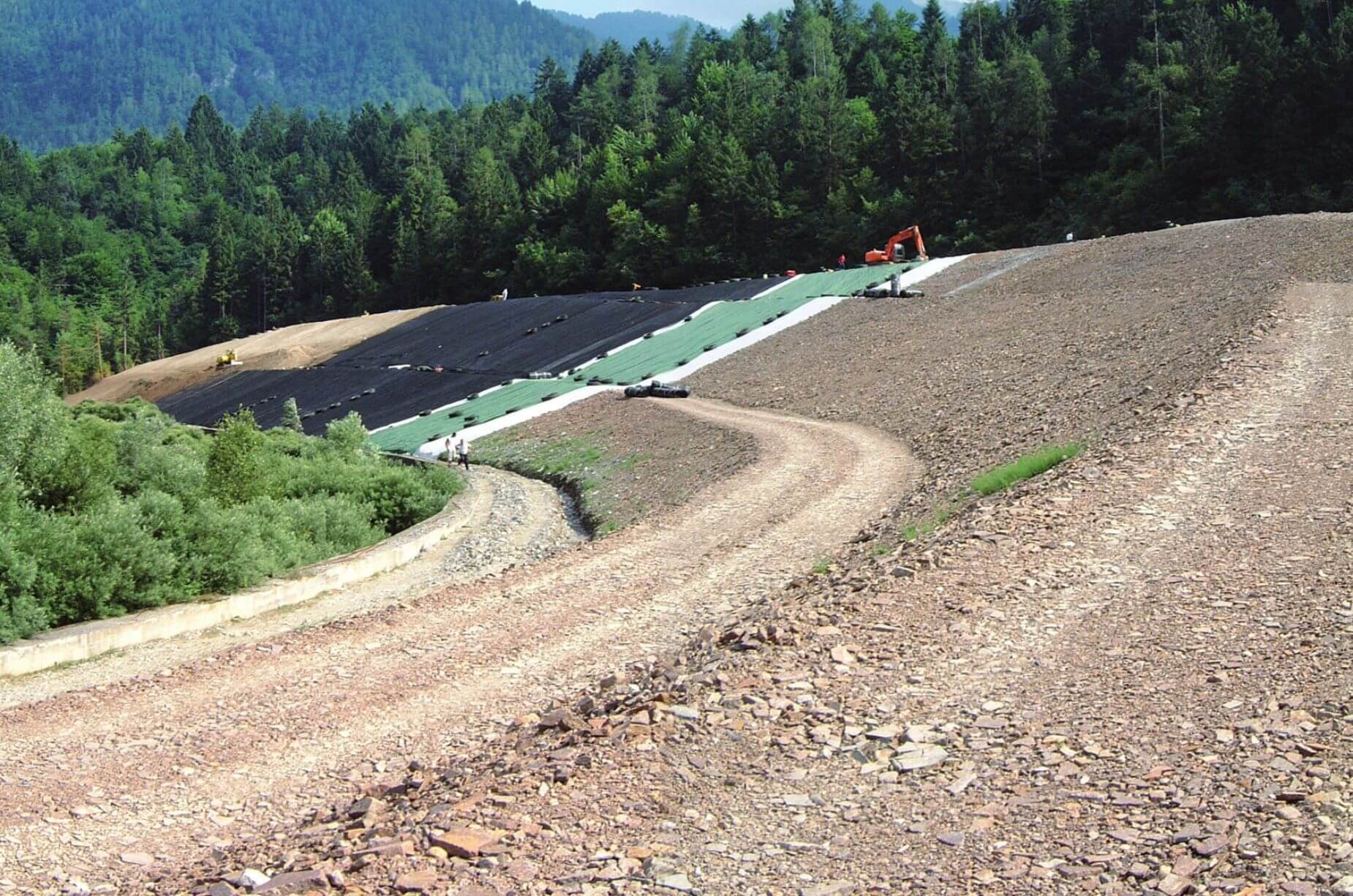
Landfill closure is often viewed as the end of a project, yet it is at this stage that long-term performance is truly tested. Capping systems play a critical role in limiting rainfall infiltration, controlling landfill gas, and supporting revegetation and environmental recovery.
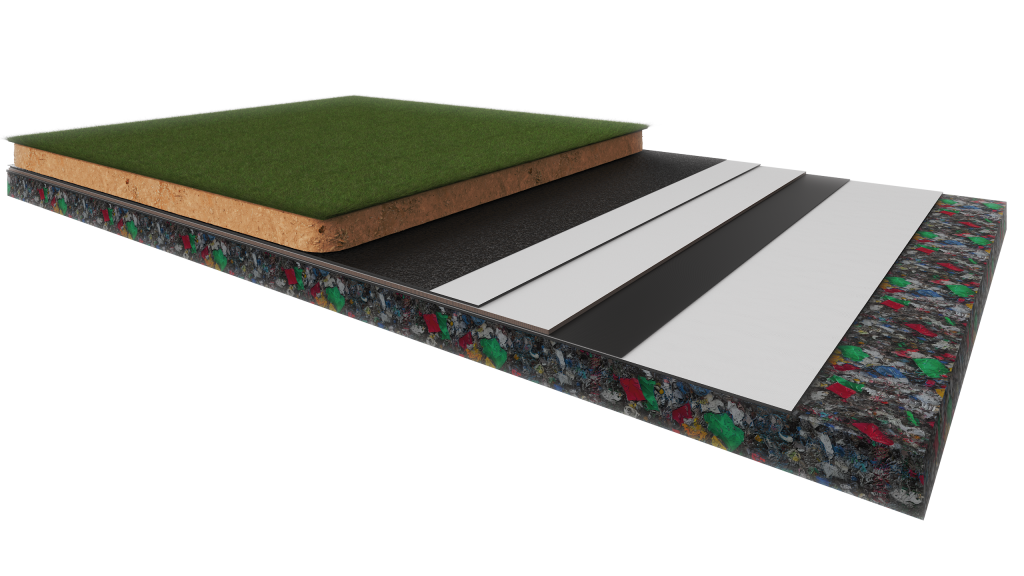
Maccaferri’s capping solutions are engineered as multilayer systems that remain stable under differential settlement. By incorporating multicomposites, GCLs, and drainage layers, capping systems become active components that help preserve slope stability and environmental performance over the long term.
From Design to Closure: One Continuous Process
Global experience shows that successful landfill projects rely on a consistent engineering approach from design and construction through operation and closure. This includes slope stability analysis, settlement management, leachate and surface water control, and the optimization of supporting infrastructure such as access roads and retaining structures.
Supported by a comprehensive geosynthetics portfolio and technical guidance, the resulting solutions address not only engineering requirements, but also sustainability goals, safety considerations, and the social impact on surrounding communities.
Macro Benefits for Landfill Quality:
- Groundwater and Ecosystem Protection
- Long-Term Structural Stability
- Capacity Optimization and Cost Efficiency
- Regulatory Compliance and Environmental Reputation
Modern Landfills Are More Than Disposal Sites
Modern landfills are environmental protection infrastructure designed to perform for decades and even after operations have ceased because in the end, landfill quality is not just about today, but about how the system protects land, water, and communities in the future and it all begins with one simple principle: Designing as one system, not merely a collection of layers.
Sources: Adi Ahdiat. (2024, July 17). Millions of Tons of Unmanaged Waste in Indonesia. Katadata.co.id; Databoks. https://databoks.katadata.co.id/en/environment/statistics/669784b69baf4/millions-of-tons-of-unmanaged-waste-in-indonesia?utm_source=chatgpt.com
To learn more about our landfill solution and applications, download our brochure ⬇️
Don’t miss out on our webinar!
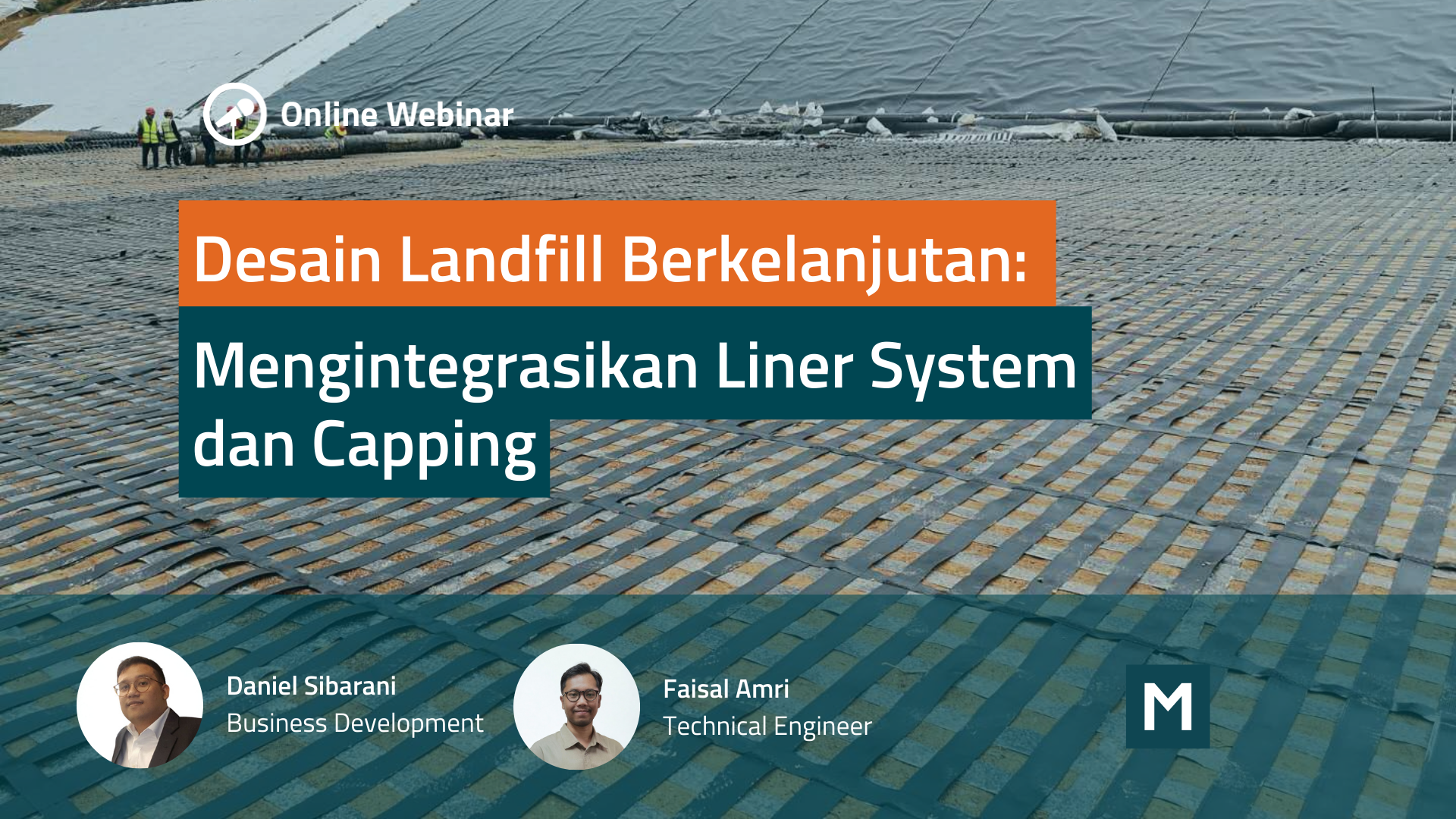
Discover best practices for designing sustainable landfills through effective integration of liner systems & capping. Join our experts to explore geotechnical solutions that elevate environmental protection and long-term performance.