
PoliMac® Tested Under Wet Abrasion and Salt Spray: Proven Durability in Real Hydraulic Conditions
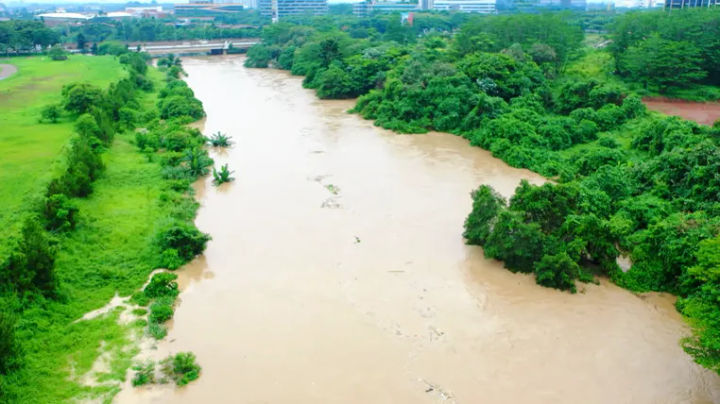
During flood events, intense water flow, heavy sediment transport and continuous abrasion place extreme stress on protection systems. In such environments, durability is not just a technical requirement – it becomes a matter of safety and long-term performance.
To address these challenges, PoliMac®, the advanced polymer coating applied to selected Maccaferri steel wire products, has been subjected to an extensive testing programme designed to replicate real hydraulic conditions.
In rivers, channels and flood protection works, wire mesh structures are continuously exposed to abrasion caused by solid transport. When abrasion wears away the protective coating, the steel core becomes exposed. This creates ideal conditions for corrosion, which can progressively compromise the strength and stability of the entire structure For this reason, gabions and mattresses require protection that can withstand both intense abrasion and aggressive corrosive processes over time.
Recreating Real Hydraulic Conditions in the Laboratory
To accurately assess performance, tests were designed to go beyond standard laboratory procedures.
Wet Abrasion Test (ISO 22182)
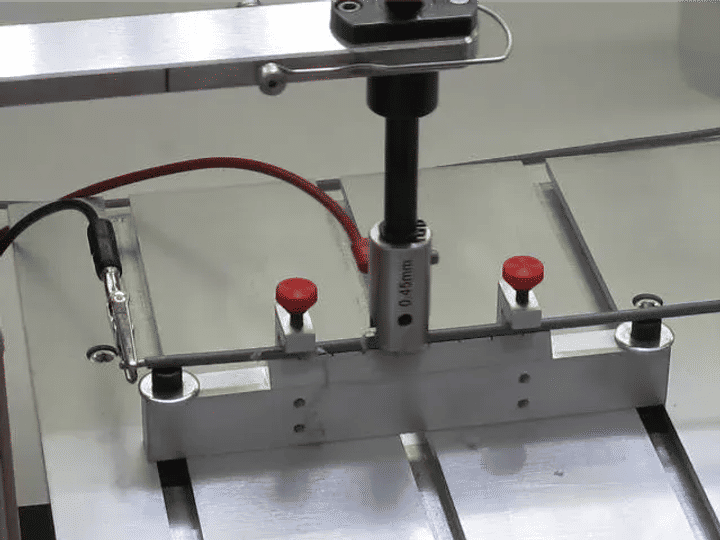
Unlike traditional dry abrasion tests, the wet abrasion method more accurately reproduces real hydraulic environments. Eight samples of each material were tested in a rotating drum filled with water and angular basalt chippings. Abrasion was generated by crushed stones tumbling over the samples during two abrasion phases, for a total of 80,000 revolutions.
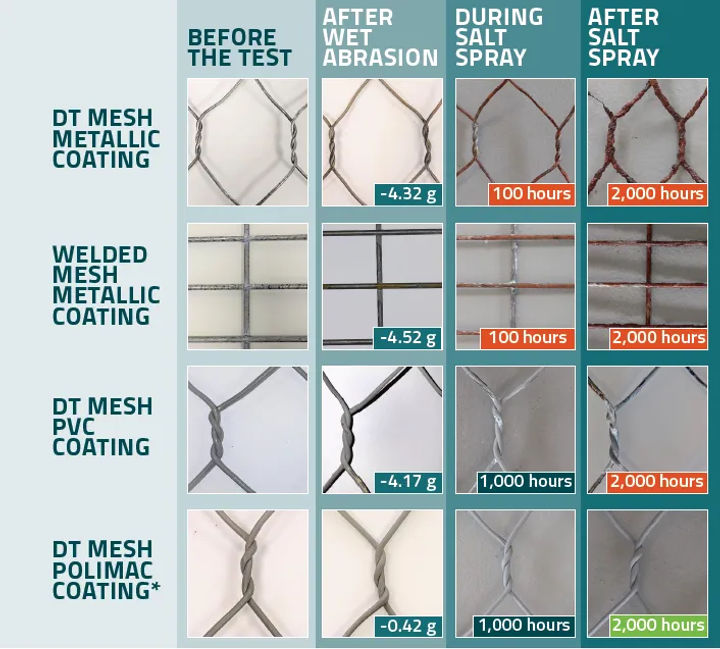
The integrity of each coating was evaluated by measuring the weight loss of the samples before and after testing, with weight loss corresponding directly to coating loss. The results clearly showed that meshes protected only by metallic coatings or PVC experienced significant coating loss, while PoliMac® and Bio PoliMac® exhibited dramatically lower weight loss, confirming their superior resistance to abrasion
Salt Spray Testing After Abrasion (ISO 9227)
To evaluate residual corrosion resistance, the same samples previously subjected to wet abrasion were then exposed to salt spray testing.
Each material type was tested using three samples, exposed to 2,000 hours of salt spray, simulating years of exposure in harsh environments. According to EN 10223-3 requirements, mesh samples should show no more than 5% dark brown rust.
Without abrasion damage, all coatings reached 2,000 hours of salt spray exposure. However, once the coating was damaged by abrasion, performance changed significantly. Metallic and PVC-coated meshes showed early failure, in some cases within 100 hours, while DT mesh with PoliMac® coating exceeded 2,000 hours with no failure, even after wet abrasion.
International Standards Confirm the Findings
European standards clearly highlight the importance of durability and protective measures in aggressive environments.
Eurocode 0 (EN 1990:2023) states that durability must consider environmental conditions and appropriate protection measures. Furthermore, EN 10223-3 specifies that metallic coatings alone are not suitable for very aggressive hydraulic environments.
The test results fully confirm these principles under controlled but realistic conditions.
Designed for Real-World Performance
Thanks to their superior resistance to abrasion, PoliMac® and Bio PoliMac® are specifically designed to withstand real hydraulic conditions over time, delivering a level of durability that PVC coatings alone cannot provide.
When safety, longevity and performance are critical, the choice of coating makes all the difference.