
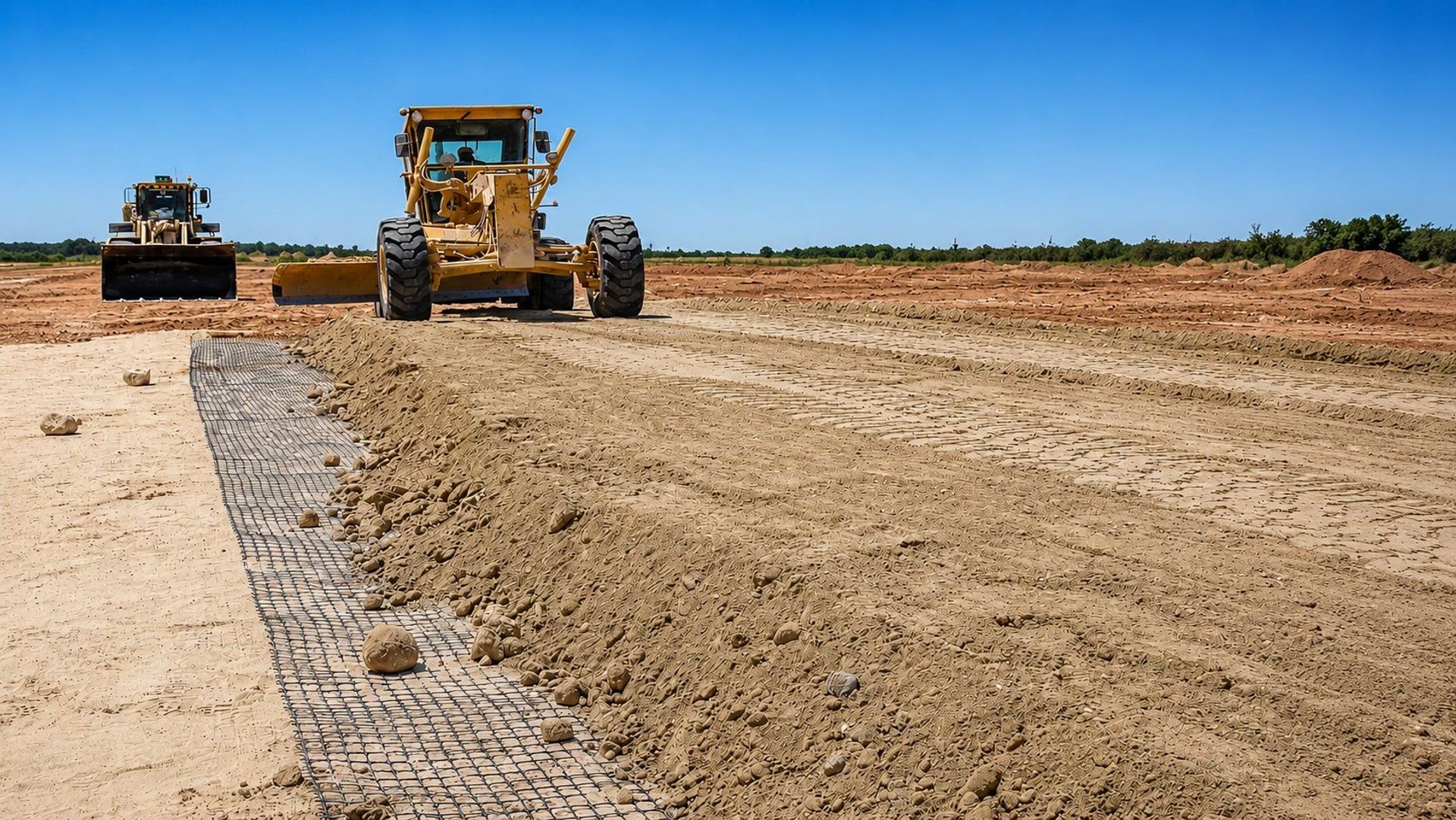
Biaxial Geogrids
Geogrid เสริมกำลังดินสำหรับเพิ่มเสถียรภาพของโครงสร้างทางถนน
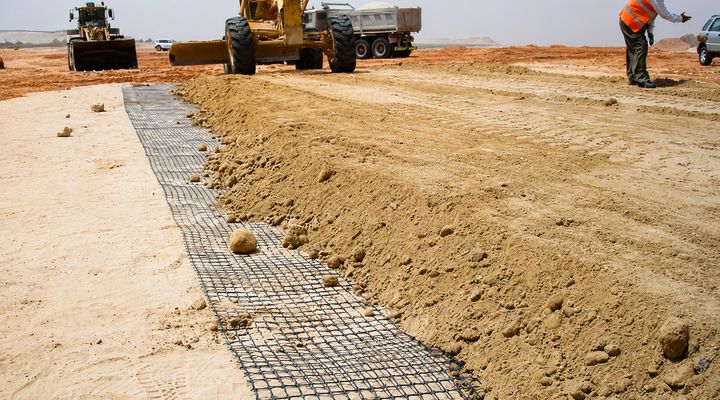
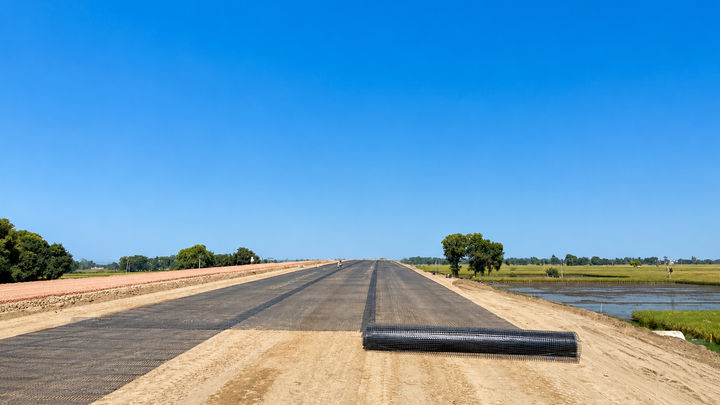
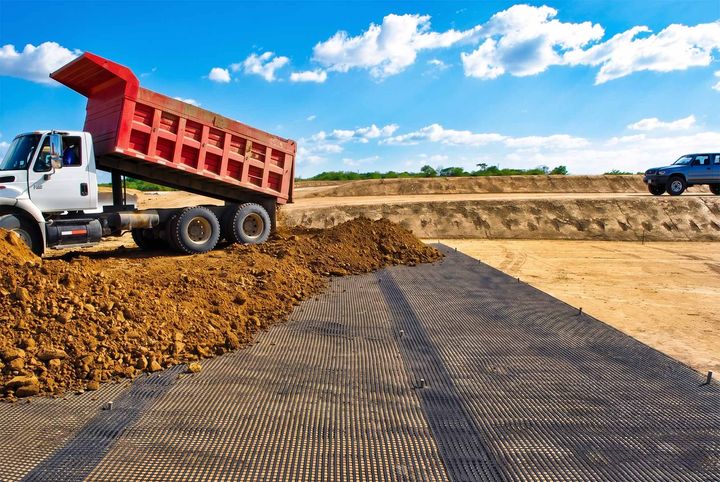
Biaxial Geogrid ใช้สำหรับ เสริมกำลังดิน ในงาน เพิ่มเสถียรภาพของชั้นดิน โดยโครงสร้างช่องตาข่ายแบบสมมาตรที่รับแรงได้หลายทิศทางช่วยเพิ่ม กำลังรับน้ำหนัก ของชั้นดินเดิม และยึดรั้งวัสดุถมให้อยู่กับที่ Geogrid ประเภทนี้มี กำลังรับแรงดึง และ รูปทรงของช่องตาข่าย ที่สมมาตร โดยมีกำลังรับแรงดึงตั้งแต่ 20–300 kN/m หรือสูงกว่า นอกจากนี้ ยังมีรุ่นที่รับแรงได้ ตั้งแต่สามทิศทางขึ้นไป โดยสามารถเลือกชนิดของ พอลิเมอร์ และ รูปทรงช่องเปิด ให้เหมาะกับกำลังรับแรงดึงที่ต้องการและคุณสมบัติของวัสดุถมได้
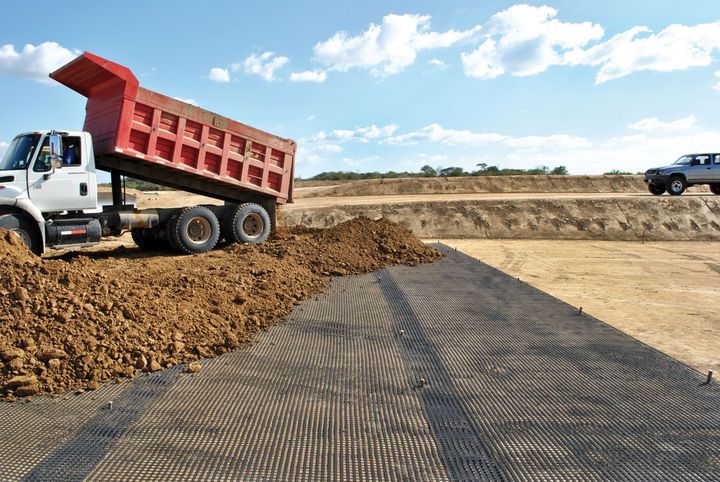
Maccaferri มี Biaxial Geogrid หลายกลุ่มผลิตภัณฑ์ให้เลือกตามกำลังรับแรงและลักษณะการใช้งาน:
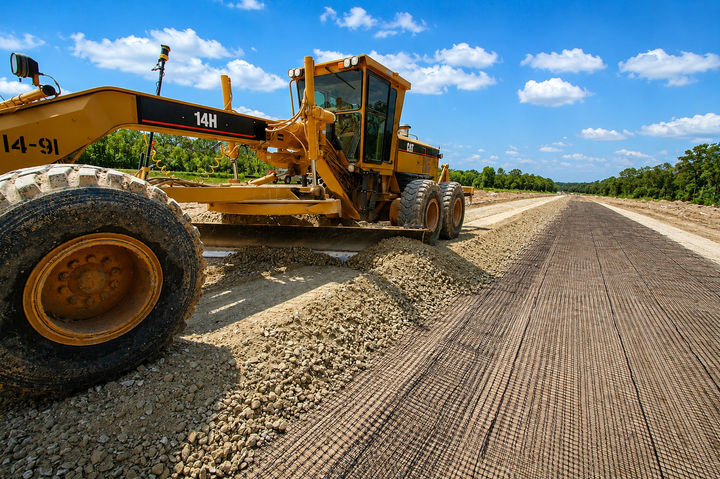
MacGrid EG
Geogrid ผลิตจาก Polypropylene (PP) ด้วยกระบวนการ Extrusion มีรูปแบบสมมาตรและรับแรงดึงได้เท่ากันทั้งสองทิศทาง โดยมีกำลังรับแรงดึงสูงสุด 50 kN/m สามารถติดตั้งเป็นชั้นเดียวหรือหลายชั้นสำหรับ งานเพิ่มเสถียรภาพของดิน และมีประวัติการใช้งานในโครงการต่าง ๆ มานานหลายทศวรรษ นอกจากนี้ ยังสามารถใช้ร่วมกับผลิตภัณฑ์อื่นเพื่อพัฒนาเป็น โซลูชันที่ตอบโจทย์การใช้งานได้หลายด้าน
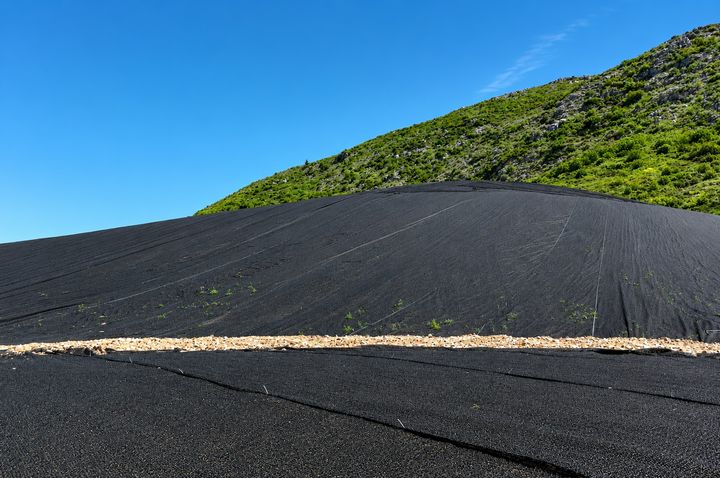
MacGrid EG-T
Geogrid ผลิตจาก Polypropylene (PP) ด้วยกระบวนการ Extrusion เช่นเดียวกับ MacGrid EG แต่มี ช่องเปิดรูปสามเหลี่ยม ทำให้สามารถ รับแรงได้หลายทิศทาง ผลิตภัณฑ์นี้ใช้กับงานประเภทเดียวกับ MacGrid EG และได้รับการพัฒนาต่อยอดจาก Geogrid แบบรับแรงสองทิศทาง เพื่อให้ทำงานร่วมกับวัสดุถมได้อย่างมีประสิทธิภาพยิ่งขึ้น
MacGrid WG-S
Geogrid ผลิตจาก เส้นใย PET กำลังสูงที่ผ่านการถักทอและเคลือบผิว เหมาะสำหรับงานที่ต้องการกำลังรับแรงดึงสูงเกินกว่าผลิตภัณฑ์ในกลุ่ม Extruded Geogrid รุ่นมาตรฐานมีกำลังรับแรงดึงเท่ากันทั้งสองทิศทางสูงสุด 300 kN/m และสามารถผลิตตามข้อกำหนดของโครงการให้มีกำลังรับแรงดึงได้สูงสุดถึง 1,000 kN/m
เรื่องราวความสำเร็จ:
จากแบบสู่การก่อสร้างจริง
ค้นพบเพิ่มเติม
Maintenance and Rehabilitation of Route AY.4031, Junction with Highway No. 3412
Thailand
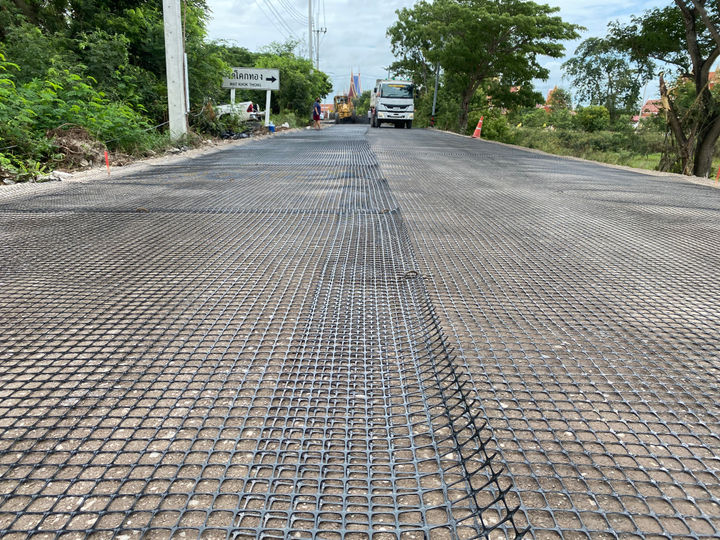
The Highway Maintenance Division of the Department of Rural Roads (DRR) carried out the rehabilitation of asphalt pavement and safety improvements along Route AY. 4031, between Highway No. 3412 and Ban Khae in Bang Ban, Sena, Phak Hai, and Pa Mok Districts, Phra Nakhon Si Ayutthaya. The project involved the reconstruction of the entire pavement structure — including the subbase, base, and asphalt layers — over a 6-meter-wide carriageway from Km. 10+300 to Km. 11+225 (a total length of 0. 925 km), with a total budget of approximately THB 30 million. The existing road, constructed alongside a natural canal and underlain by soft clay, faced two major issues; Stability problems and Settlement problems . These were caused by soil movement and inadequate bearing capacity of the subgrade, resulting in cracks, potholes, and pavement deformation. Moreover, during floods, the fluctuating canal water levels - especially rapid drawdown - caused additional damage to the road, affecting local transportation, vehicle safety, and public convenience.
ค้นพบเพิ่มเติม
NTPC SIDING-GADARWARA PROJECT– BLANKET THICKNESS REDUCTION
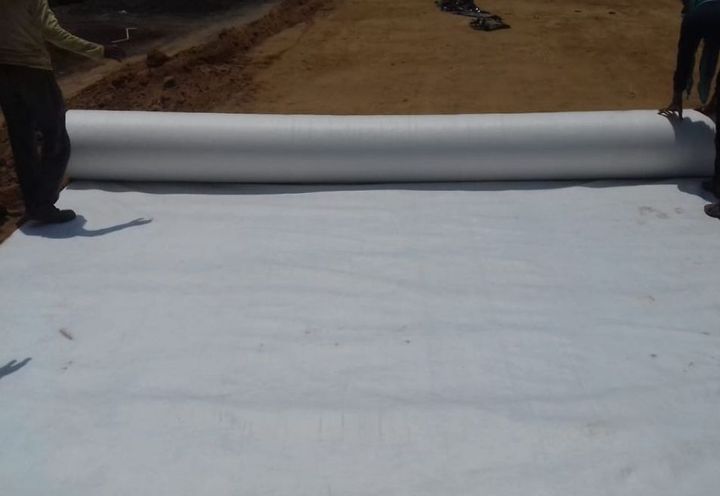
The Gadarwara railway station is approx. 20 km from NTPC site. NTPC constructed the Gadarwara railway siding line for transporting coal to their plant. For this railway siding work, the blanket (subballast) material was not available in the Gadrwara area and transportation of blanket material from outside area was not an economical option. This devoid of blanket material was major concern of project. Also, mining has been banned in our country due to environmental issues, so it had become difficult to get quantity for blanket for formation construction. Apart from unavailability of blanketing material, another concern of this project was the inadequacy of good subgrade material. The subgrade material was of SQ1 type which had fines content of more than 50%. Considering these aspects of project, biaxial extruded polypropylene geogrid MacGrid EG and non-woven geotextile solution MacTex N was proposed for strengthening the formation.
ค้นพบเพิ่มเติม
Road Maintenance of Route LB.4132 (Junction with Highway No. 3196 – Ban Pho Talad Kaew), Mueang District, Lopburi Province
Thailand
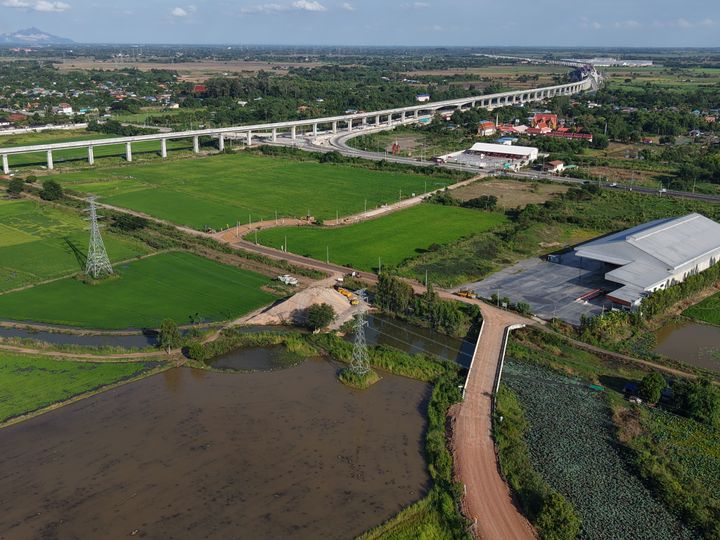
The Department of Rural Roads (DRR), through its Road Maintenance Division, undertook rehabilitation works on Road No. LB. 4132, connecting Highway No. 3196 to Ban Pho Talad Kaew in Mueang District, Lopburi Province. The project involved complete reconstruction of the pavement structure, including the base , subbase layer , and asphalt pavement surface , across a 6-meter-wide carriageway. The construction covered the sections between km 6+342 – km 6+379, km 6+489 – km 10+163, and km 10+285 – km 10+710, totaling a length of 4. 136 kilometers, with an overall project budget of 30 million THB. The existing road was constructed along a natural canal embankment on soft clay soil, which led to two major types of issues: Stability issues , and Settlement issues . These issues stemmed from soil movement and inadequate bearing capacity of the foundation soils, resulting in pavement cracking, potholes, and other road surface’s damages. Furthermore, during flood events, rapid water level fluctuations in the canal—particularly rapid drawdowns—caused significant damage to the road. These conditions disrupted transportation, caused vehicle damage, posed safety risks, and greatly impacted local communities.
ค้นพบเพิ่มเติม
สิ่งที่เราทำได้กับ
Biaxial Geogrids



ติดต่อเรา
[contactForm_txtSuccessSubmit]