
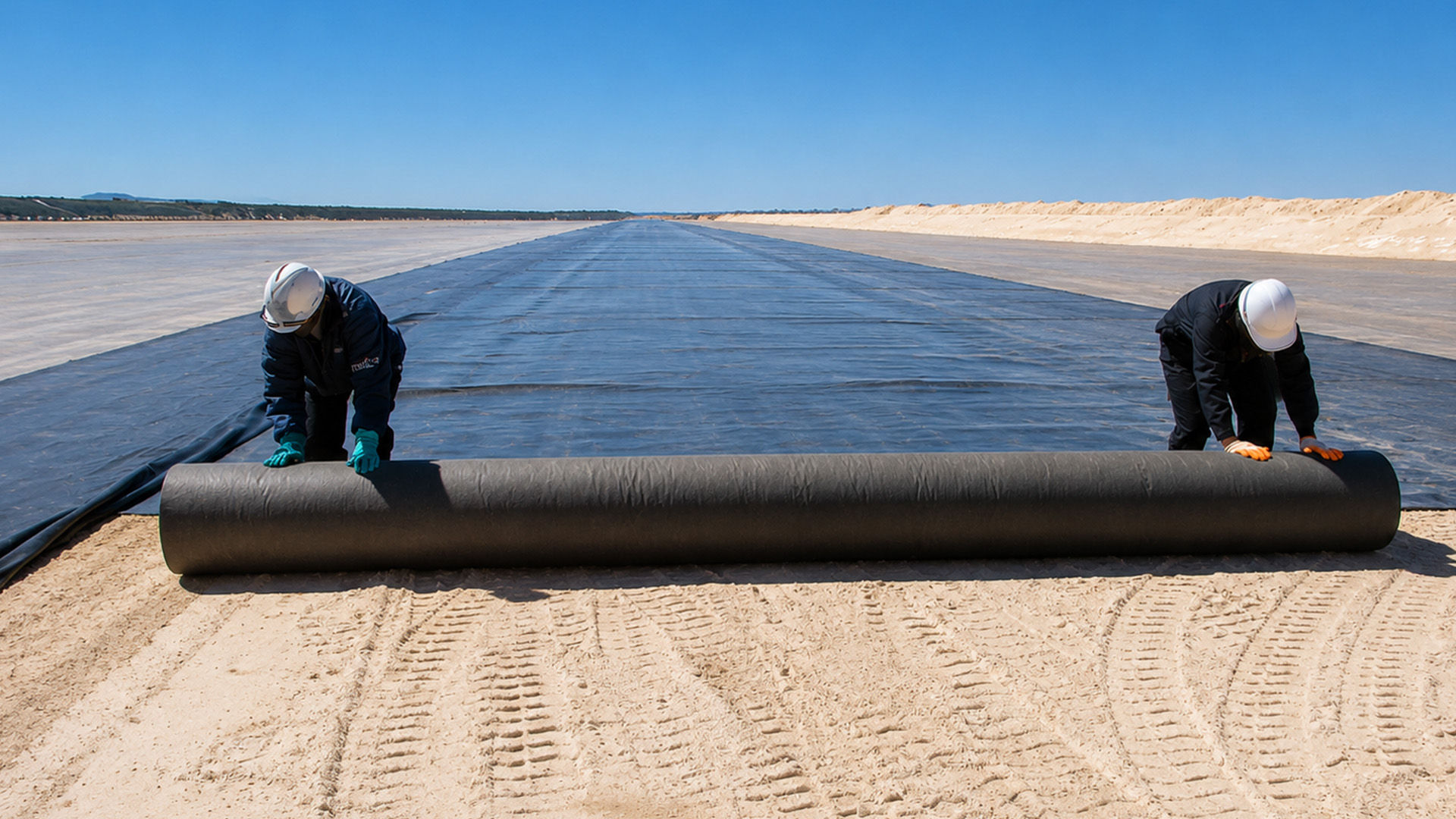
Géotextiles non tissés
Solutions polyvalentes de séparation, filtration et protection
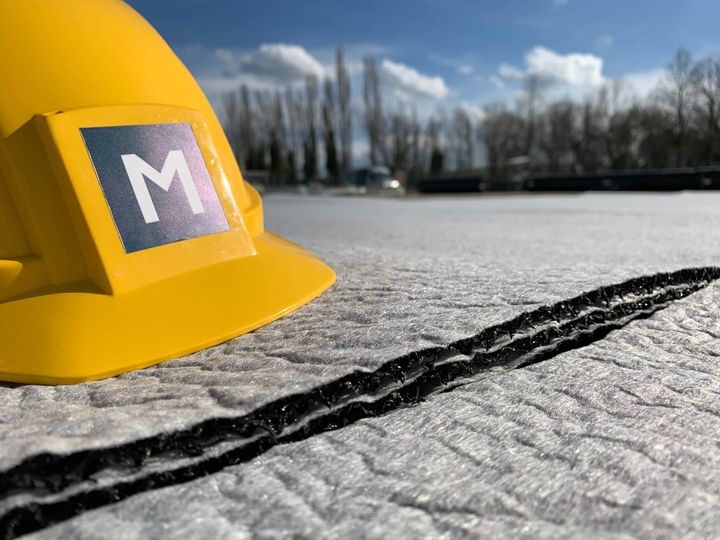
Les géotextiles non tissés sont des structures textiles plates constituées de fibres synthétiques assemblées de manière aléatoire par aiguilletage et/ou par des procédés thermiques. Ces matériaux sont utilisés dans de nombreuses applications différentes et remplissent principalement des fonctions de séparation, de filtration et de protection et constituent la base de nombreux autres composites pour la combinaison avec d’autres géosynthétiques. Leur qualité et leurs performances peuvent varier en fonction de la longueur des fibres, du polymère utilisé, du processus d’assemblage, etc. Les matériaux géosynthétiques sont certainement les plus connus et les plus utilisés.
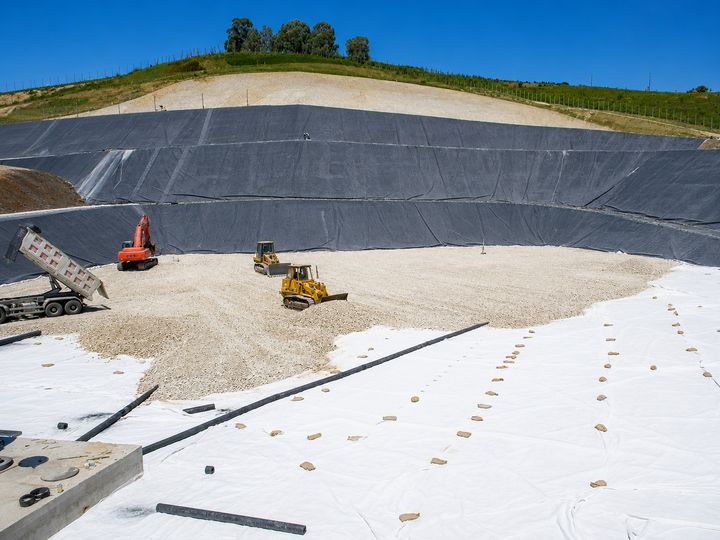
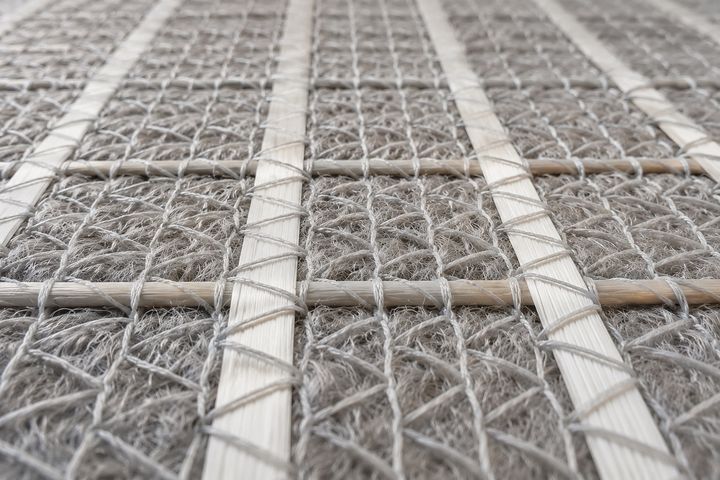
Études de cas
Construit, pas seulement dessiné
Découvrez-en plus
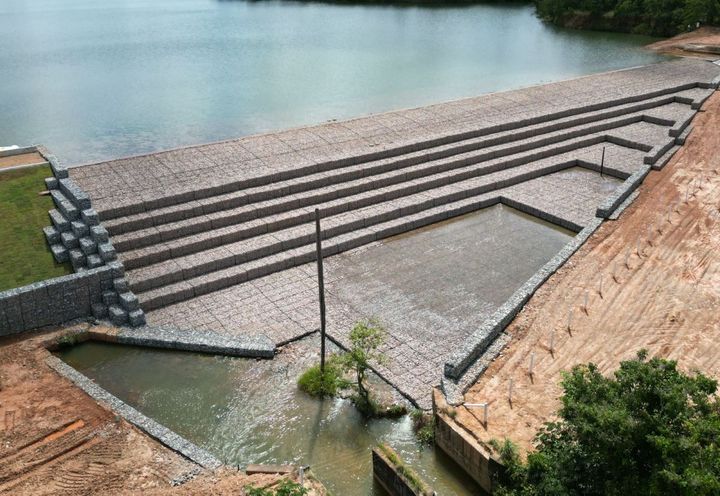
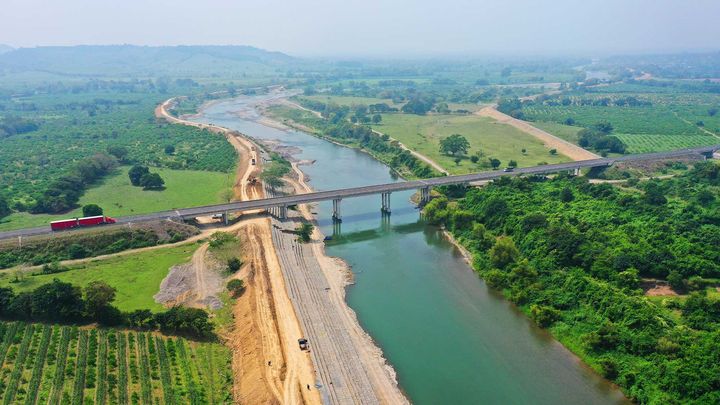
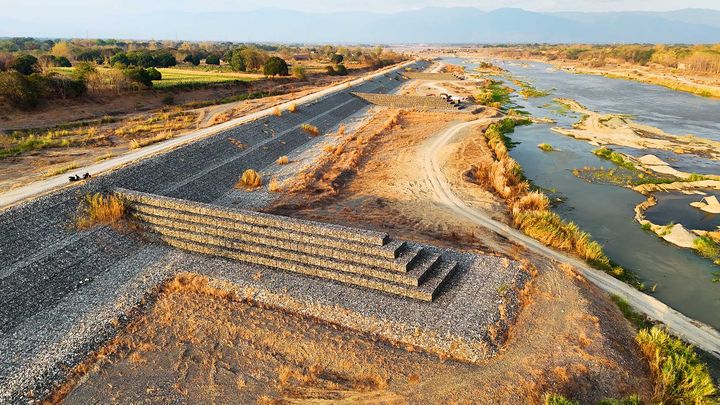
BARRAGEM CAMPEIRA - CRISTALÂNDIA
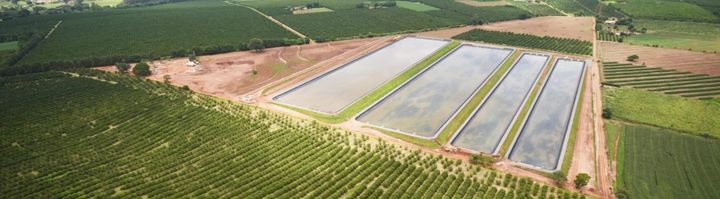
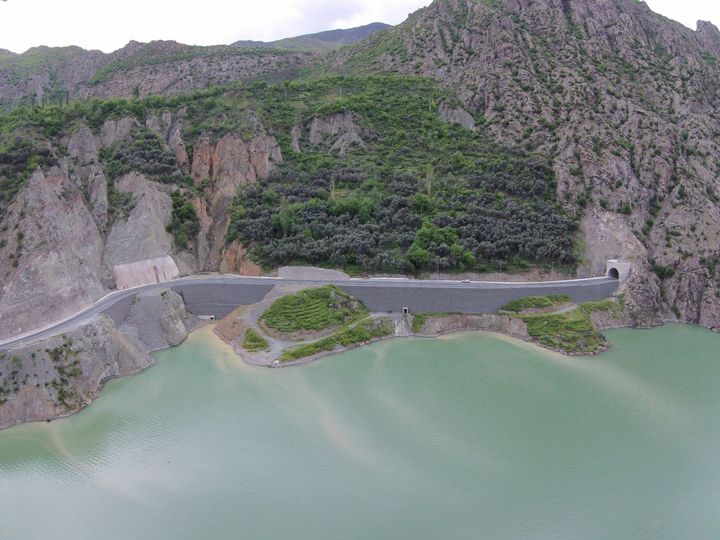
The Campeira Dam is responsible for supplying water to the city of Cristalândia (TO) for most of the year. A few years ago, after intense periods of rainfall, the dam's spillway, which was 7 metres wide, was not sufficient to release all the excess water from the reservoir, causing it to overflow and consequently the erosion of the shoulders and the dam's structure to be compromised.
Découvrez-en plus
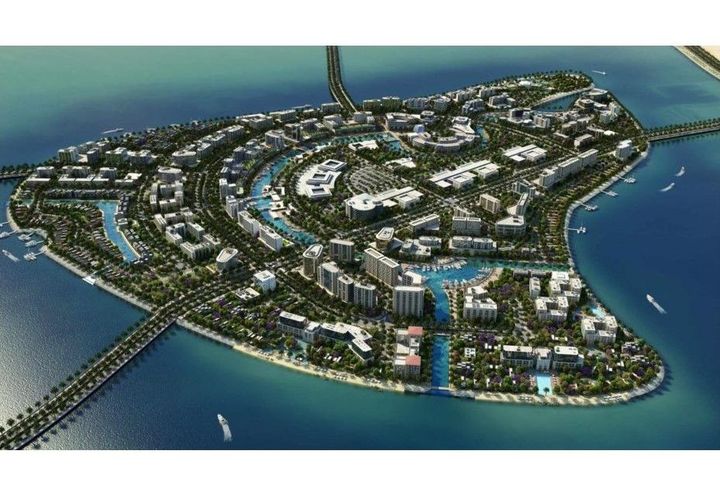
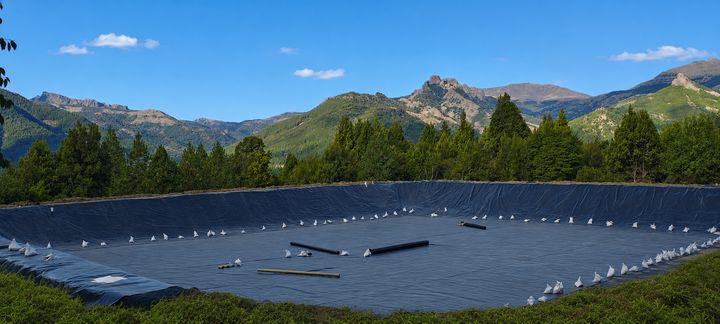
DILMUNIA GRAND CANAL & MARINA (DGCM)
Bahrain
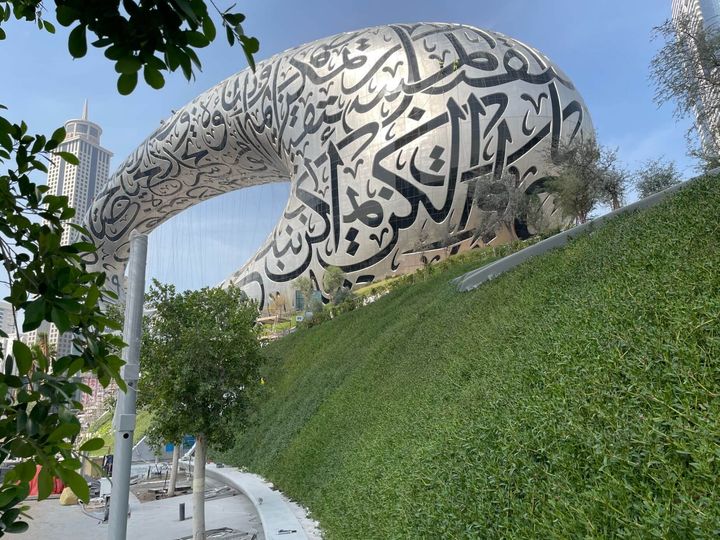
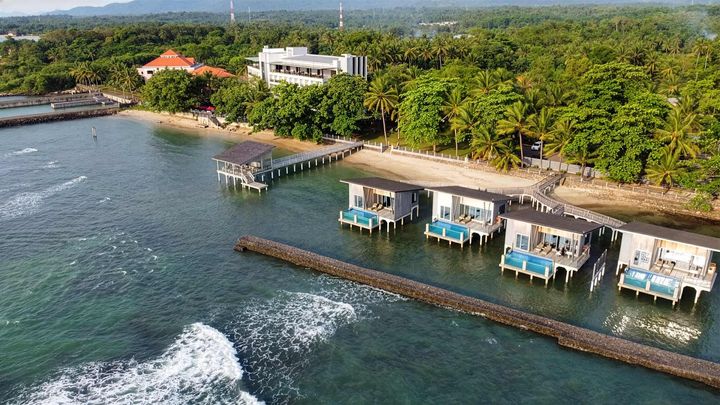
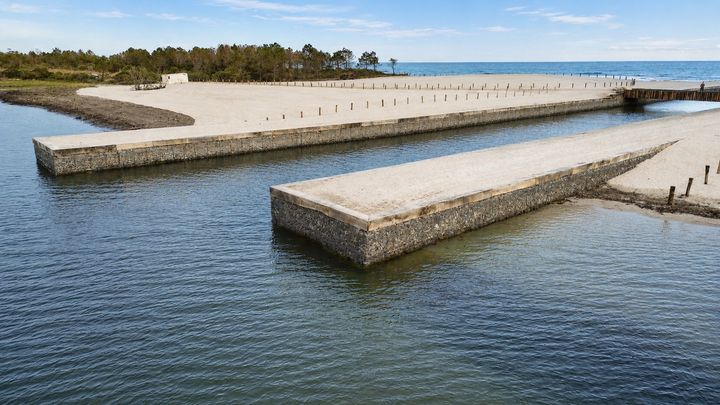
Ithmaar Development Company is developing the reclaimed island of Dilmunia on the north-eastern coast of the island of Muharraq, Kingdom of Bahrain. The development project includes the construction of a nearly 1. 5 km leisure canal (Dilmunia Grand Canal), which will be the central attraction of the island's architectural design, including water activities, fountains, cascades, and waterfalls. Dilmunia canal is elevated few meters above the surrounding ground level, and any potential leaks may become visible and are highly undesirable. Therefore, the project foresees to waterproof the canal structure with various geosynthetic products, including several complementary watertight and drainage elements either installed inside and outside the peripheral walls.
Découvrez-en plus
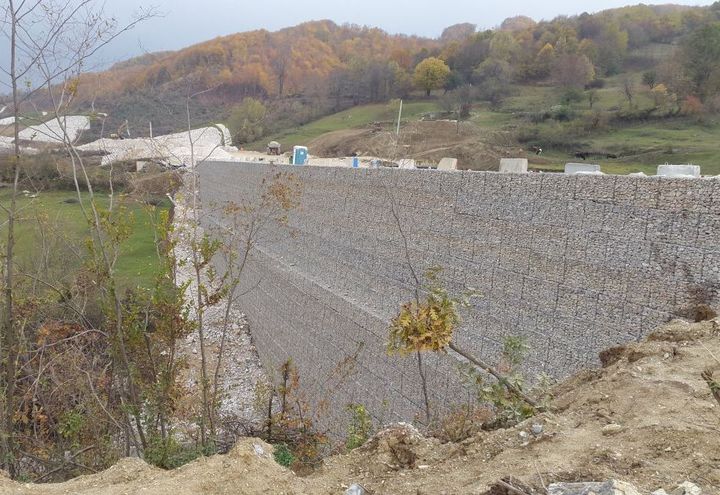
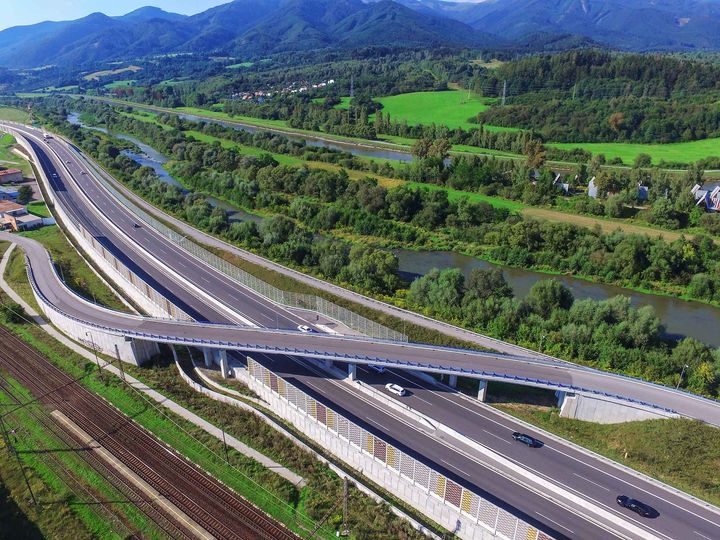
KOSOVO MOTORWAY PROJECT
Cocos (Keeling) Islands
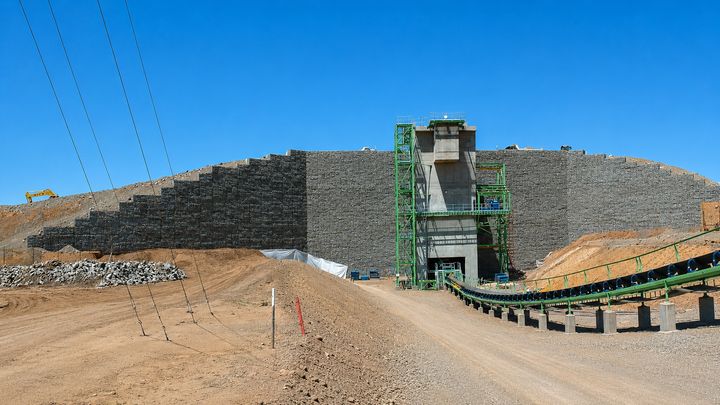
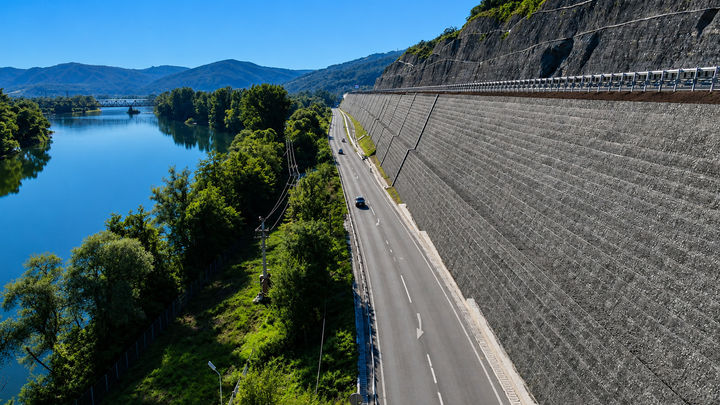
This project has implied reinforced soil wall design, material supply and installation. The main contractor was Bechtel Enka general partnership. Bechtel Enka joint-venture completed Kosovo’s first two motorways – Route 6 and Route 7. Route 6 Prishtine – Hani i Elezit is an integral part of road corridor which connects capital cities, Prishtine and Skopje (FYR Macedonia). Together these motorways create a transport corridor from Kosovo’s border with Albania, via its capital, to its border with North Macedonia. The walls have been built in a seismic and montainous area for a total of more than 13800 sqm of reinforced soil facing.
Découvrez-en plus
Ce que nous pouvons faire avec
Géotextiles non tissés
Solutions
Entrez en contact avec nous
[contactForm_txtSuccessSubmit]