

KikkoNet
Lightweight PET aquaculture netting
Maccaferri KikkoNet for the Engineered Aquaculture of the Future: Environmental solutions for the aquaculture and mariculture industry
KikkoNet is the innovative net made of UV stabilized, extremely strong and lightweight Polyethylene Terephthalate (PET) monofilaments, woven into a double twisted hexagonal mesh, with specific and unique characteristics. Net Pens made with Kikkonet, provide:
Optimum conditions for the growth of many fish species,
Reduction of the whole-life-costs,
Reduction of operational costs.
Key benefits
+ 200% Durability – KikkoNet can remain in water for years, without removal for cleaning or servicing.
- 65% Mortality – It was observed a 65% reduction in the mortality of the fishes with the attack of predators.
- 75% Lower Installation Costs – It was observed a 75% reduction in the diving hours during installation.


Success Stories
Built, not just drawn
Discover more
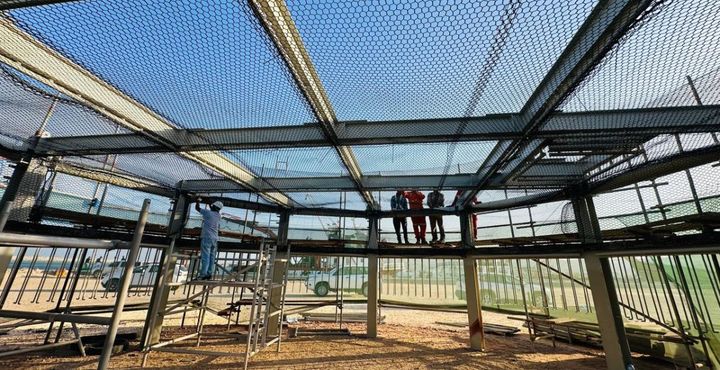
DUQM INTEGRATED POWER & WATER PLANT
The Duqm Integrated Power and Water Plant (DIPWP) in Oman is a critical infrastructure project designed to supply electricity and desalinated water to the Special Economic Zone at Duqm (SEZAD). The facility includes a 326 MW combined cycle gas turbine power plant and a seawater desalination plant with a capacity of 36,000 cubic meters per day. A vital component of this operation is the seawater intake pipeline, which requires an effective filtration system to prevent the ingress of debris and marine life, ensuring the longevity and efficiency of the plant's operations. The filtration solution must be durable and resistant to the corrosive effects of saline seawater to maintain continuous and reliable performance.
Discover more
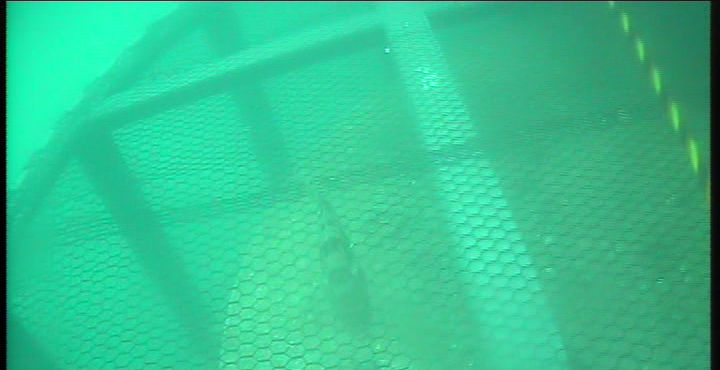
SEA WATER INTAKE FOR BOROUGE 3 PROJECT
United Arab Emirates
The seawater intake system at TAKREER’s Ruwais refinery in Abu Dhabi faced significant challenges due to fish intrusion and the rapid corrosion of traditional steel mesh cages. Fish entering the pipeline through the riser area caused operational inefficiencies, including blockages, increased maintenance, and potential damage to critical equipment. This not only disrupted the refinery’s operations but also raised environmental concerns, as the intake of marine life harmed local ecosystems and violated sustainability commitments. Additionally, the steel mesh cages, designed to prevent fish intrusion, corroded quickly in the harsh marine environment, leading to frequent replacements, high maintenance costs, and environmental pollution from corroded metal particles. These issues highlighted the need for a more durable, cost-effective, and environmentally friendly solution to ensure the reliability and sustainability of the seawater intake system.
Discover more
What we can do with
KikkoNet
Sectors

Applications


Get in touch with us
[contactForm_txtSuccessSubmit]