
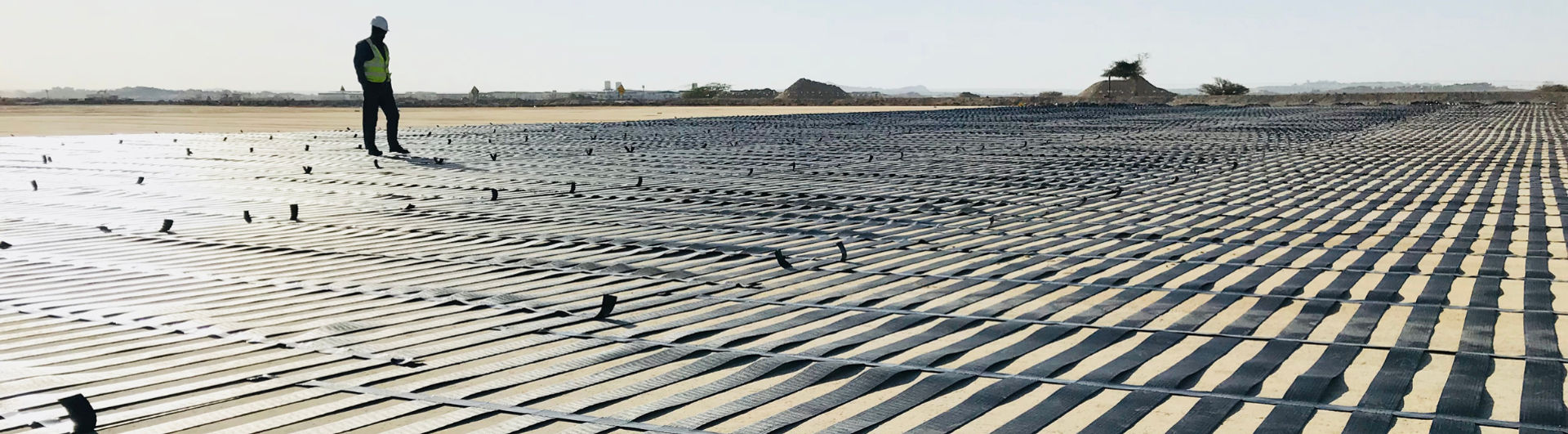
Monoaksijalne Geomreže
Armiranje tla za stabilne konstrukcije
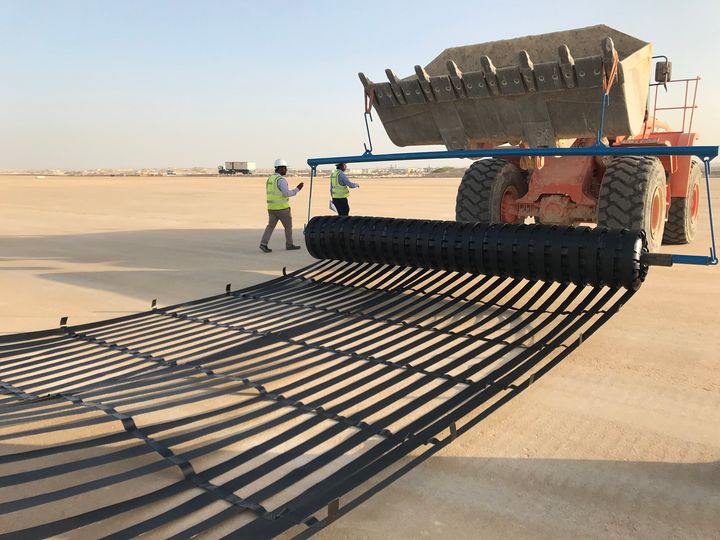
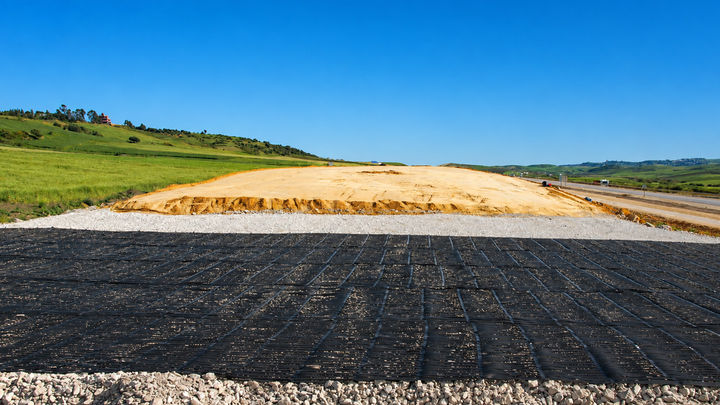
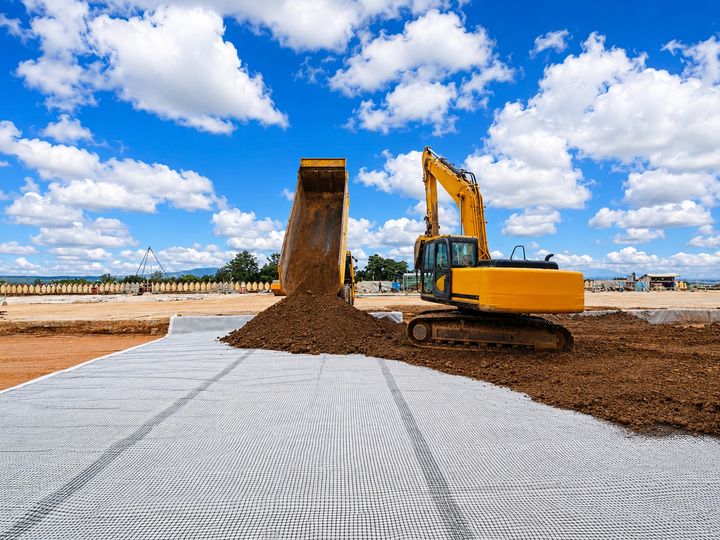
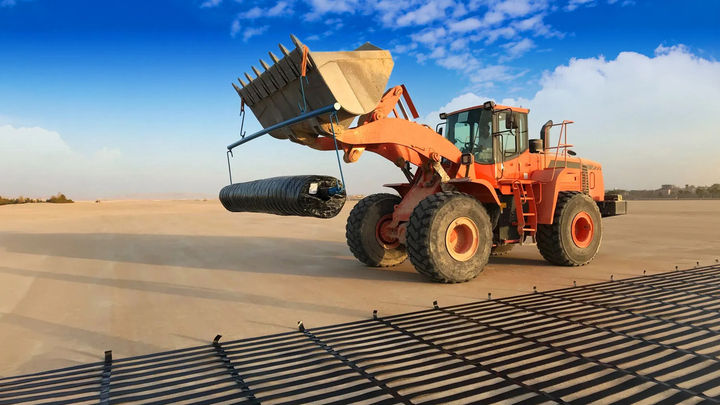
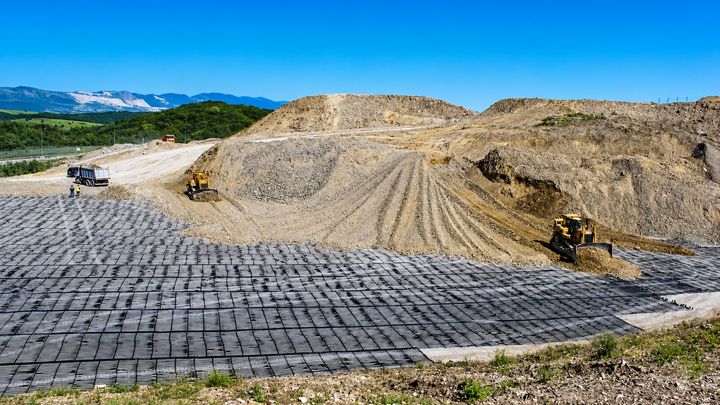
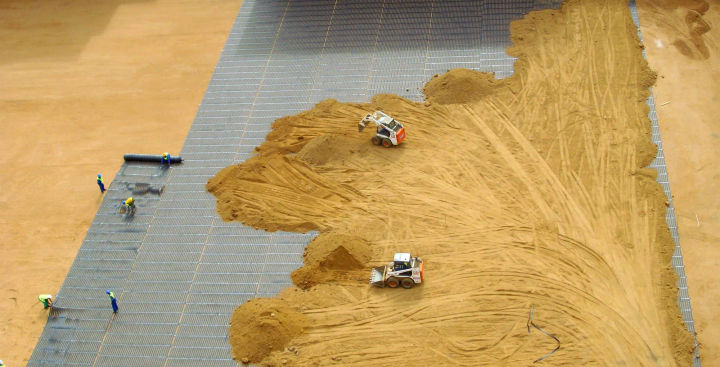
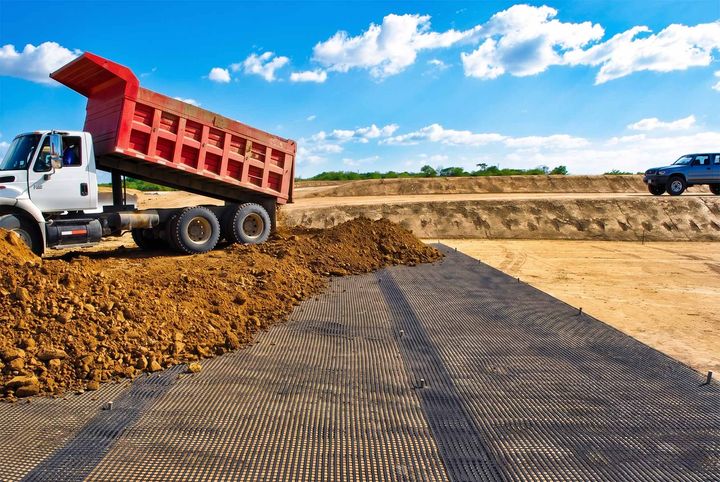
Geomreže se uglavnom koriste za potrebe armiranja, s obzirom na njihovu specifičnu strukturu koja može da obezbedi neophodnu čvrstoću za ojačanje materijala za ispunu i njihovu sposobnost da ograniče čestice tla koje se zadržavaju u otvorima same mreže. Monoaksijalni tip karakteriše glavna zatezna čvrstoća, obično u MD smeru, gde su CMD performanse svedene na minimum kako to zahteva tehnologija geomreže proizvodnje.
ParaGrid
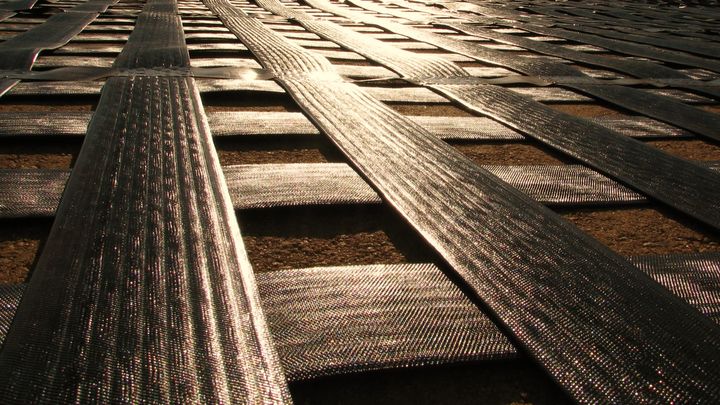
High tenacity core with a thick PE coating with strength from 30 to 200 kN/m to be used in standard soil reinforcement applications (mostly retaining structures) in any soil including aggressive ones characterized by high values of ph
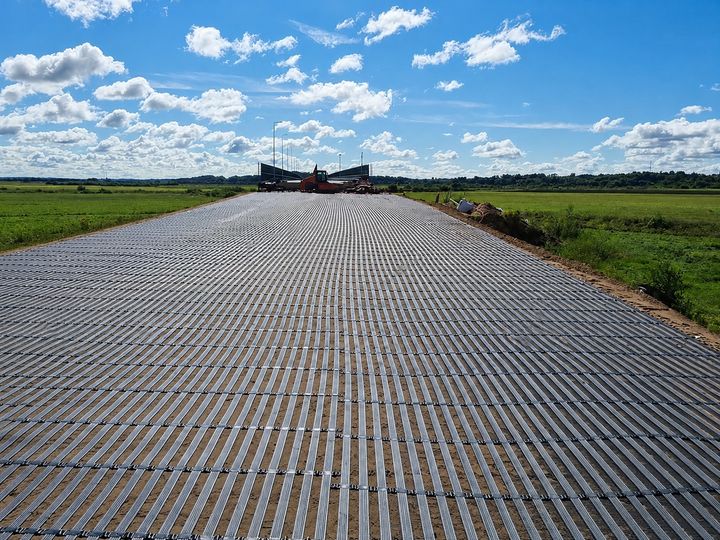
ParaGrid HF
Similar to ParaGrid as structure but mostly used in combination with Terramesh units as primary reinforcement. Their strength varies from 90 to 250 kN/m and can be used in any soil including aggressive ones characterized by high values of ph
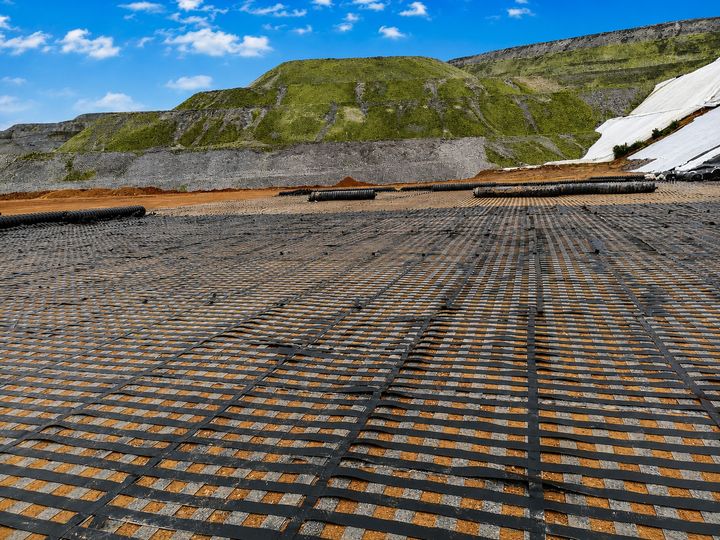
ParaLink
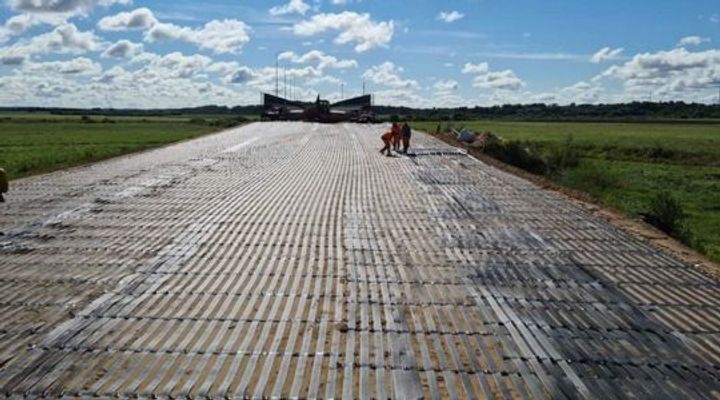
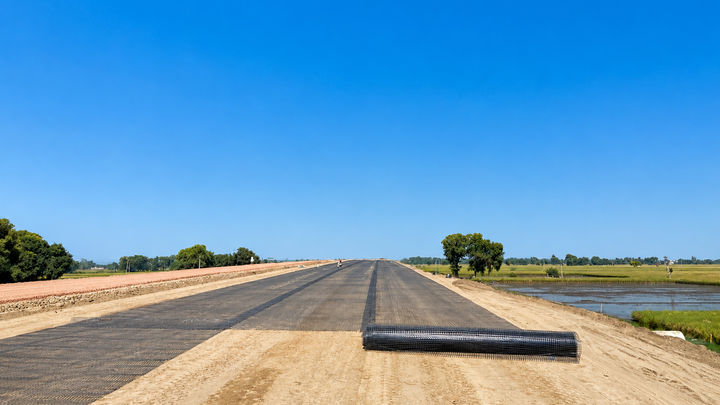
Again a strip based structure mostly used in basal reinforcement applications (but not exclusively) as piled embankment foundations, sink holes application or foundation on soft soils. Their strength varies from 300 to 1600 kN/m and can be used in any soil including aggressive ones characterized by high values of ph
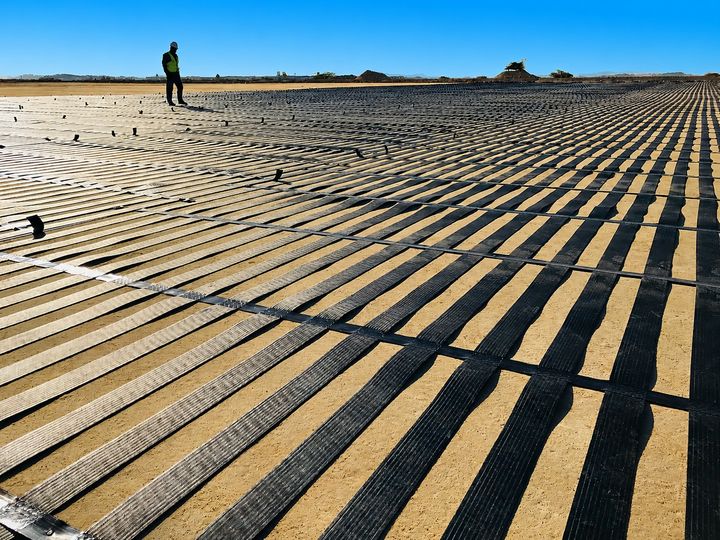
ParaDrain
Similar to ParaGrid but with a draining capacity in the MD direction obtained by shaping the strips with a channel profile closed by a geotextile filter. This unique composite is designed to be used with very thin or cohesive soils in very demanding geotechnical situations.
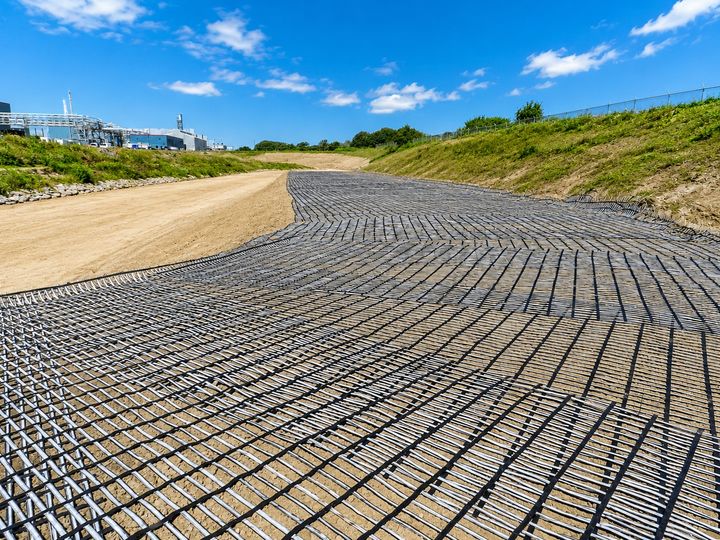
Paragrid W
An enhanced high performance knitted geogrid characterized by a very high modulus and the lowest reduction factors. Designed for standard soil reinforcement application with a specific focus on segmental wall applications. This family is suitable for use with standard soils characterized by 4</=ph</=9
Priče o Uspehu
Izgrađeno, ne samo nacrtano
Saznajte više
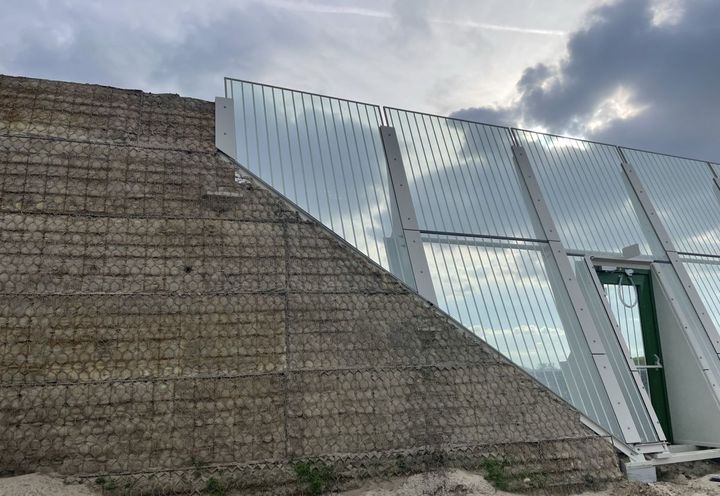
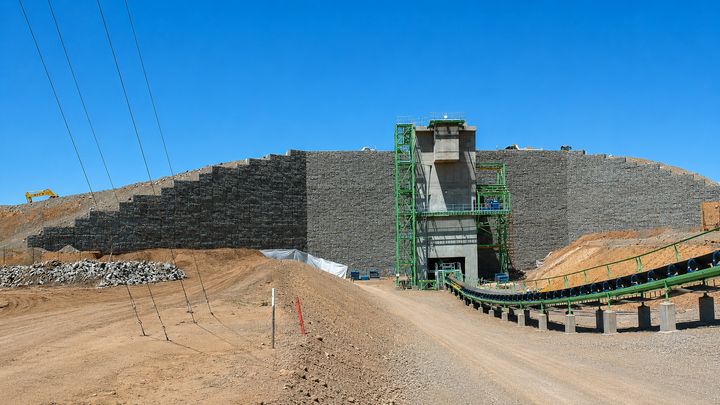
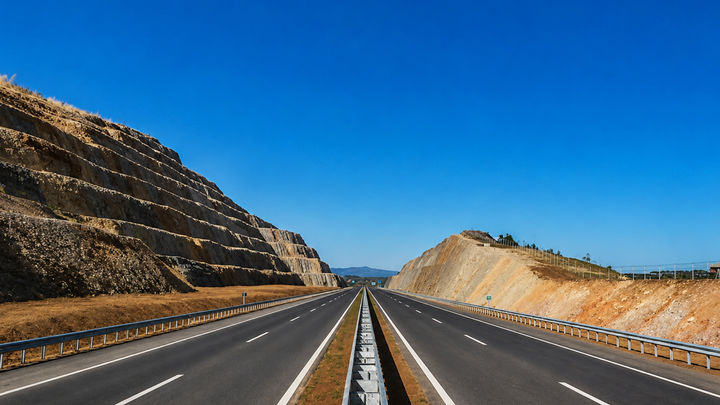
The Oosterweel Link project is a new 15km-long motorway connection developed by Lantis for completing the Antwerp ring road R1 (Belgium). It is a major project in Belgium and its design started in the 1990s to find a solution to the congestion problems in and around Antwerp. The total estimated cost of the project is approximately €4. 5bn. The Antwerp ring road is a key part of the Trans-European Transport (TEN-T) Core Network. Maccaferri collaborated with the design and building of the Mechanically Stabilized Earth (MSE) walls with its main product family „Terramesh“. This is a well-known system used in Europe and in the rest of the world to support or enable the construction of infrastructures in tight urban corridors, forming retaining walls, road embankments, wing walls and bridge abutments known as Geosynthetic Reinforced Soil-Integrated Bridge Systems (GRS-IBS). „Terramesh“ double twist steel wire mesh reinforcements have been used in combination with ParaLink® and Paragrid® geogrids representing an evolution and a significant advantage for both cost-effectiveness and performance. The project includes 15. 000 facing sqm of „Terramesh Green®“, 14. 000 facing sqm of „Terramesh Mineral® and System® and 5. 000 facing sqm of gabion cladding.
Saznajte više
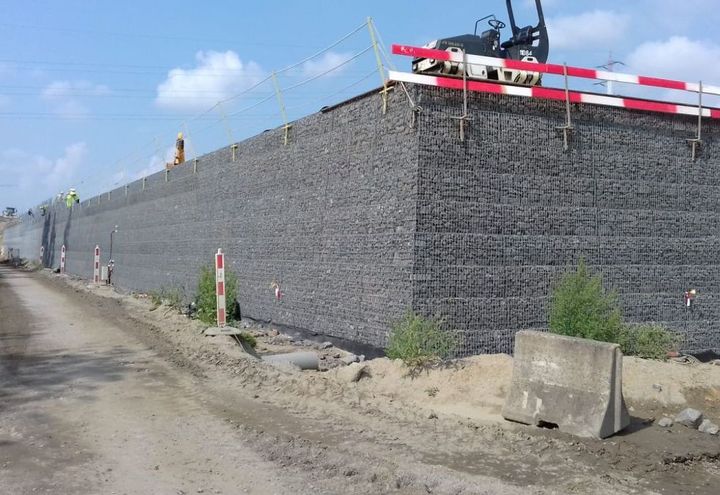
The Oosterweel Link project is a new 15km-long motorway connection developed by Lantis for completing the Antwerp ring road R1 (Belgium). It is a major project in Belgium and its design started in the 1990s to find a solution to the congestion problems in and around Antwerp. The total estimated cost of the project is approximately €4. 5bn. The Antwerp ring road is a key part of the Trans-European Transport (TEN-T) Core Network. Maccaferri collaborated with the design and building of the Mechanically Stabilized Earth (MSE) walls with its main product family „Terramesh“. This is a well-known system used in Europe and in the rest of the world to support or enable the construction of infrastructures in tight urban corridors, forming retaining walls, road embankments, wing walls and bridge abutments known as Geosynthetic Reinforced Soil-Integrated Bridge Systems (GRS-IBS). „Terramesh“ double twist steel wire mesh reinforcements have been used in combination with ParaLink® and Paragrid® geogrids representing an evolution and a significant advantage for both cost-effectiveness and performance. The project includes 15. 000 facing sqm of „Terramesh Green®“, 14. 000 facing sqm of „Terramesh Mineral® and System® and 5. 000 facing sqm of gabion cladding.
Saznajte više
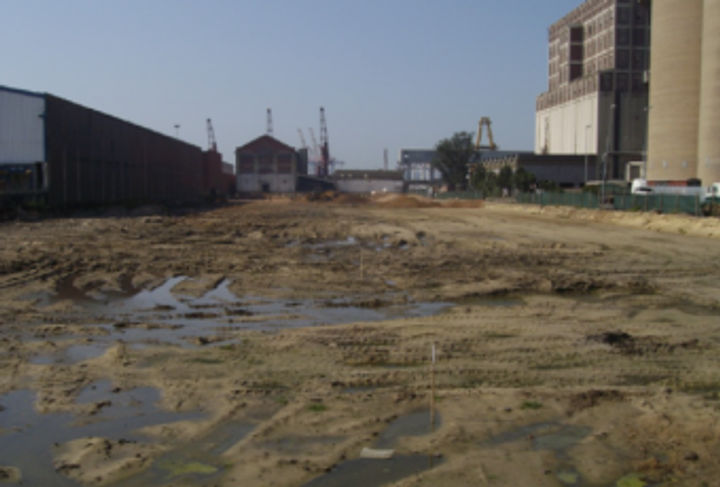
AGRIPORT, MAYDON WHARF
A 12 000m² warehouse for storage of thousands of tons of soya had to be built on of low bearing, silty, fine hydraulic fills which are up to 4m in depth at the Durban Harbour area. These hydraulic fills are underlain by silty sand horizons which are interspersed by sandy clay and sandy clayey silts, which vary from 2m to about 20m in thickness. Calcareous sandstone, soft shale and siltstones were also found at depths of between 25-27m below ground. The water table was at 1. 6m below natural ground. The client needed the structure to be finished as quickly as possible. The challenge was to provide a suitable foundation to carry such huge loads, on such poor founding conditions, in the quickest time.
Saznajte više
Šta možemo da uradimo sa
Monoaksijalne Geomreže
Aplikacije
Rešenja
Stupite u kontakt sa nama
[contactForm_txtSuccessSubmit]