
Geomallas Monoaxiales
Refuerzo de suelos para estructuras estables
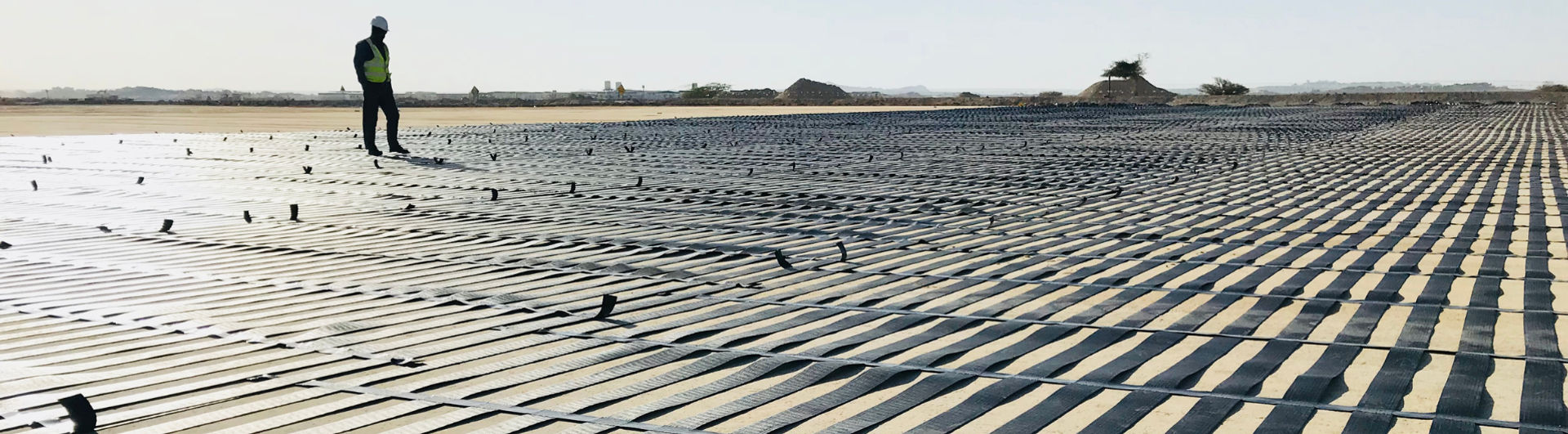
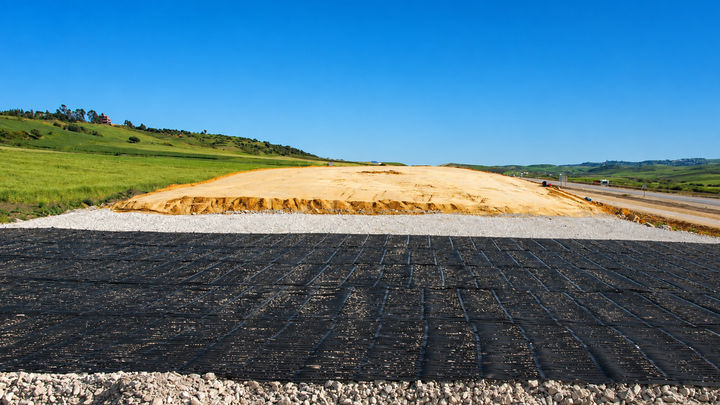
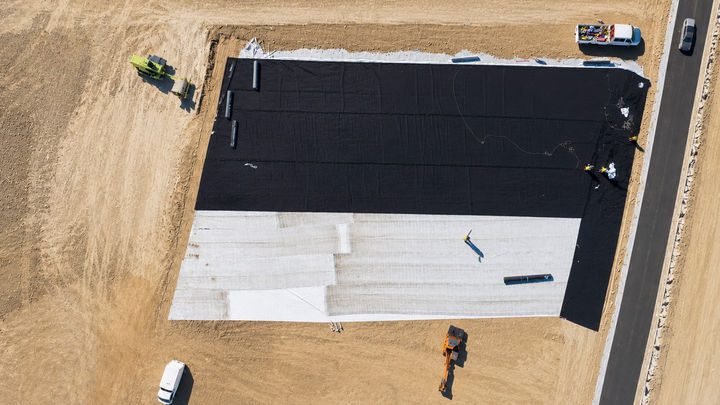
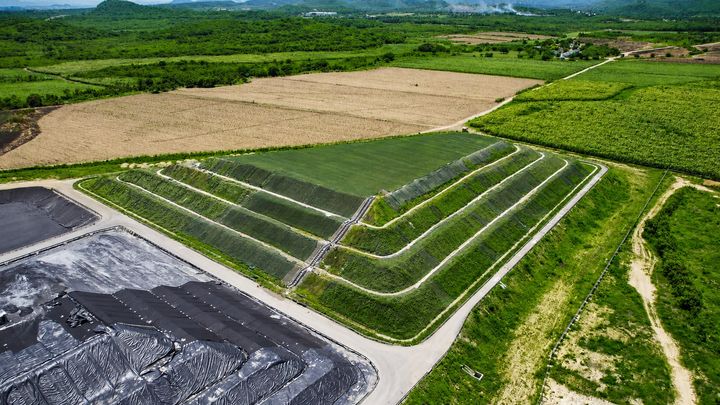
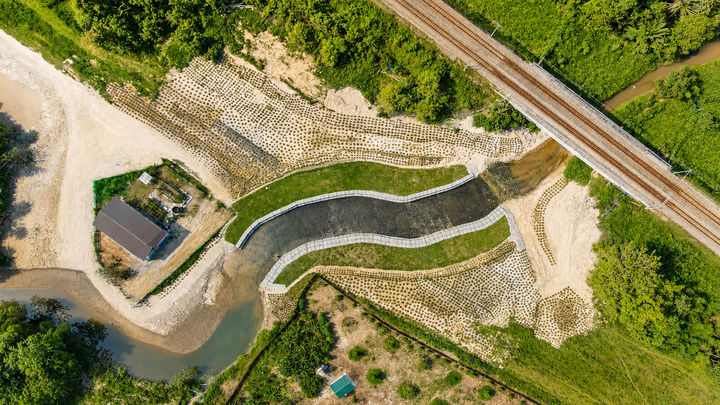
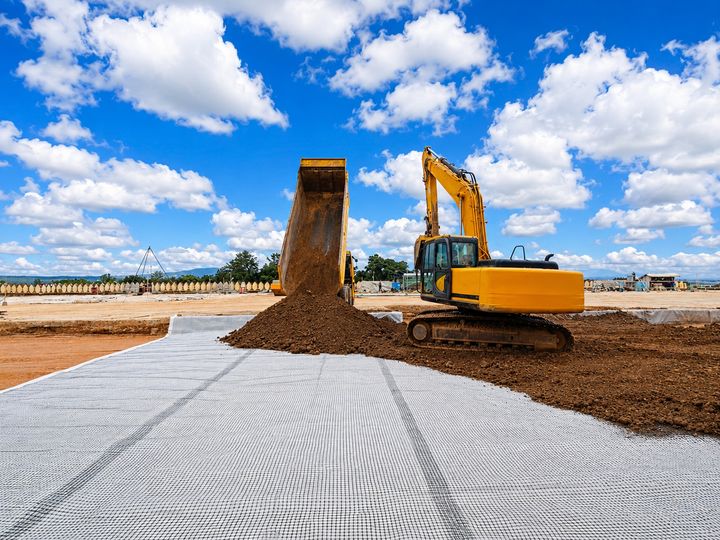
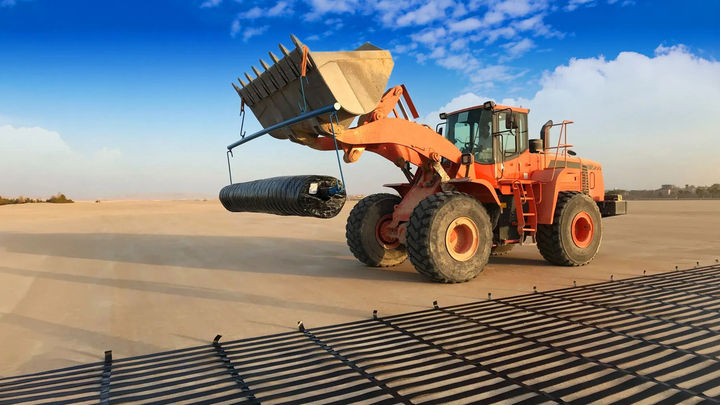
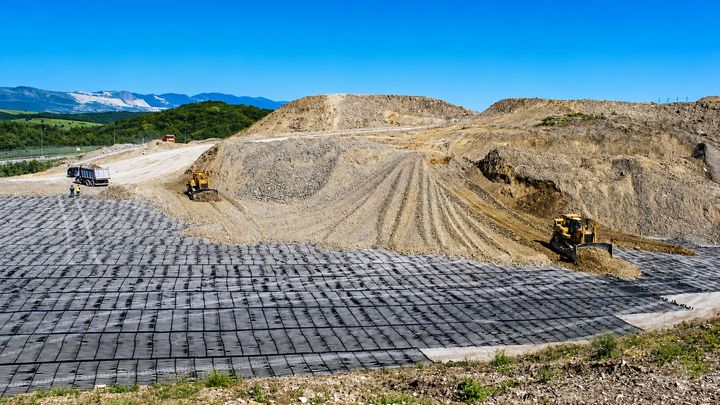
Las geomallas se utilizan sobre todo como refuerzo, ya que su peculiar estructura es capaz de proporcionar la resistencia necesaria para reforzar el material de relleno.
Las de tipo monoaxial se caracterizan por tener una resistencia principal a la tracción, normalmente en la dirección MD, en la que las prestaciones CMD se reducen al mínimo, tal y como exige la tecnología de fabricación de la geomalla.
La gama Maccaferri es muy especializada y cada familia se ha diseñado y desarrollado específicamente para satisfacer al máximo los requisitos necesarios (no sólo desde el punto de vista técnico -rendimientos mecánicos a corto y largo plazo, durabilidad, interacción con el suelo- sino también desde el punto de vista de la sostenibilidad -impacto en el medio ambiente, reciclaje o reutilización, etc.-).
Los tipos de Paraproductos representan la excelencia disponible por Maccaferri (todos los productos están certificados por la BBA) y se adaptan como:
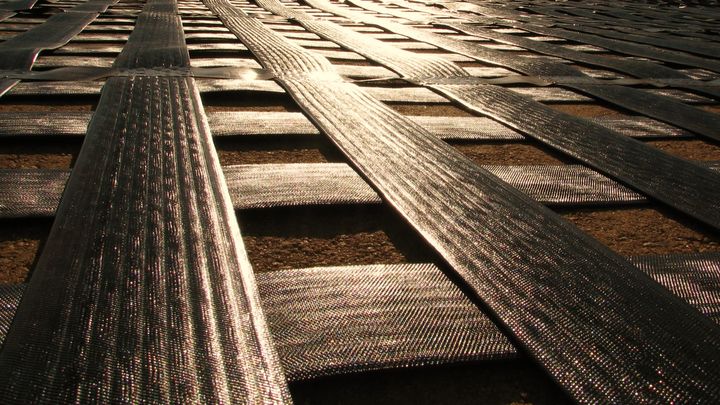
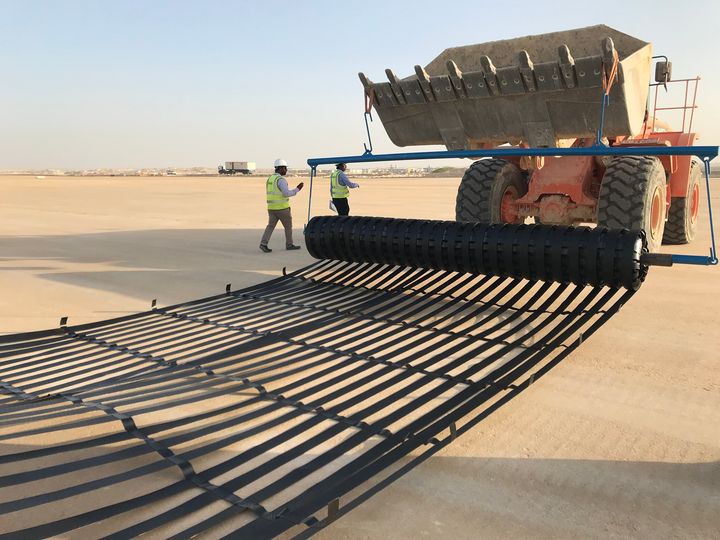
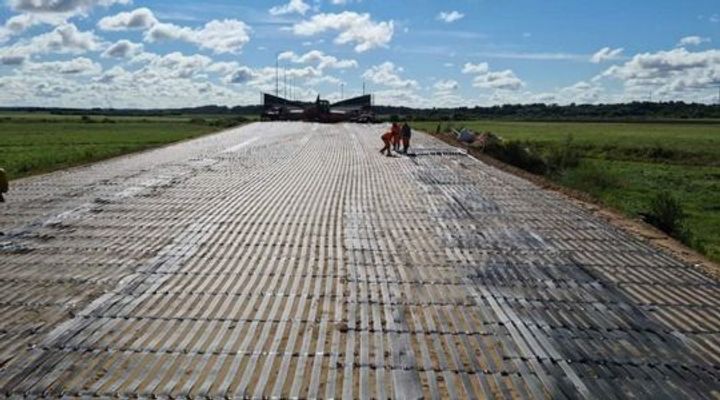
ParaGrid
Núcleo de alta tenacidad con un grueso revestimiento de PE con una resistencia de 30 a 200 kN/m para ser utilizado en aplicaciones estándar de refuerzo de suelos (principalmente estructuras de contención) en cualquier suelo , incluidos los agresivos caracterizados por altos valores de ph.
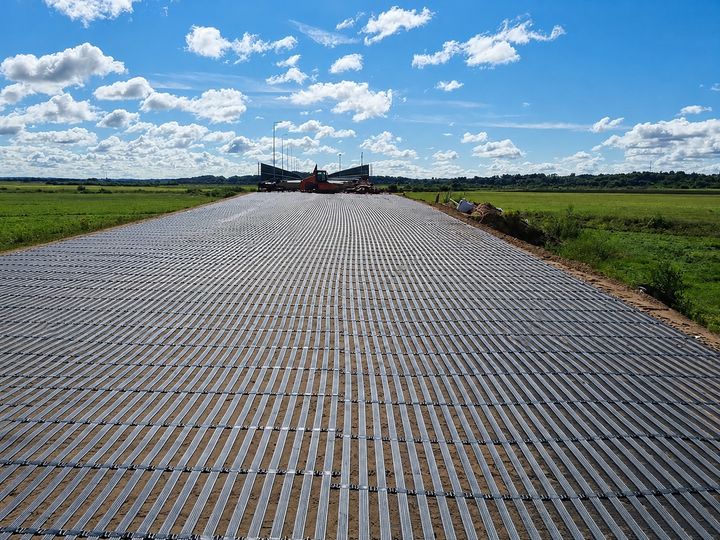
ParaGrid HF
Similar a ParaGrid en cuanto a estructura, pero se utiliza principalmente en combinación con unidades Terramesh como refuerzo primario. Su resistencia varía de 90 a 250 kN/m y puede utilizarse en cualquier suelo, incluidos los agresivos caracterizados por altos valores de ph
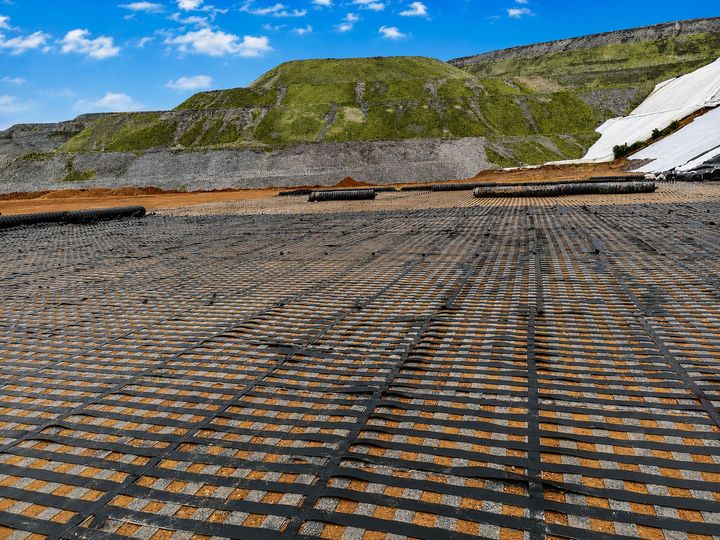
ParaLink
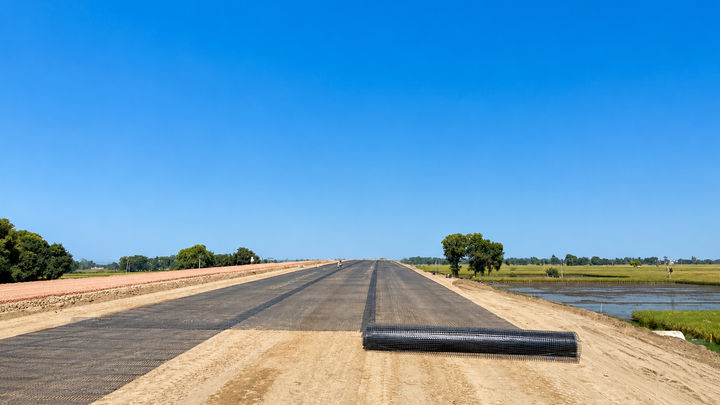
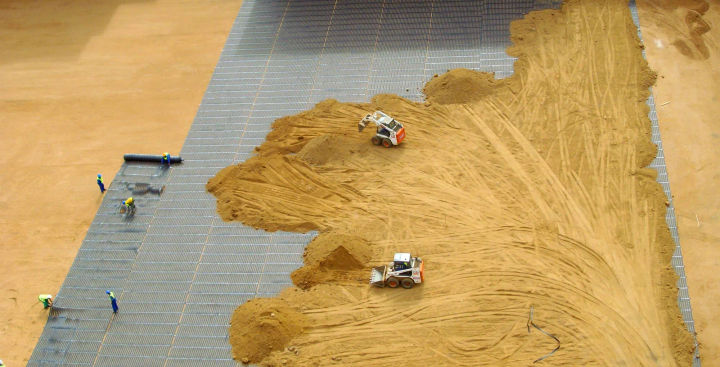
De nuevo, se trata de una estructura basada en tiras que se utiliza sobre todo en aplicaciones de refuerzo basal (aunque no exclusivamente) como cimentaciones de terraplenes sobre pilotes, aplicaciones de hundimientos o cimentaciones en suelos blandos. Su resistencia varía de 300 a 1600 kN/m y puede utilizarse en cualquier tipo de suelo, incluidos los agresivos caracterizados por altos valores de ph
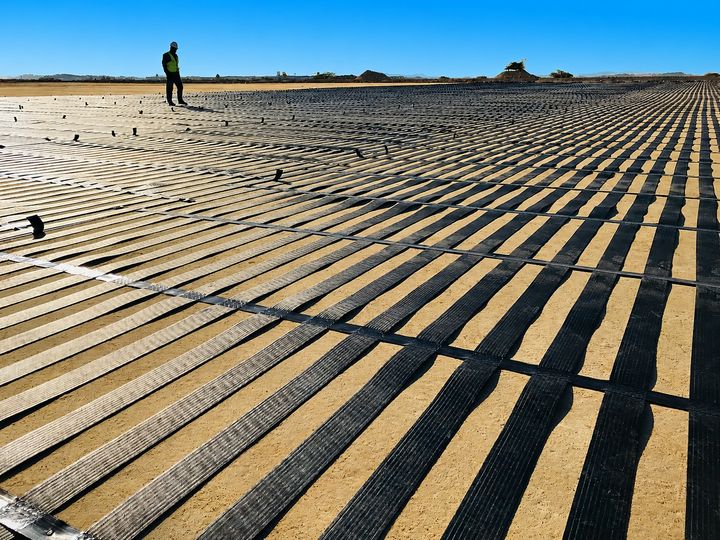
ParaDrain
Similar a ParaGrid pero con una capacidad drenante en la dirección MD obtenida mediante la conformación de las tiras con un perfil de canal cerrado por un filtro geotextil. Este compuesto único está diseñado para utilizarse con suelos muy finos o cohesivos en situaciones geotécnicas muy exigentes.
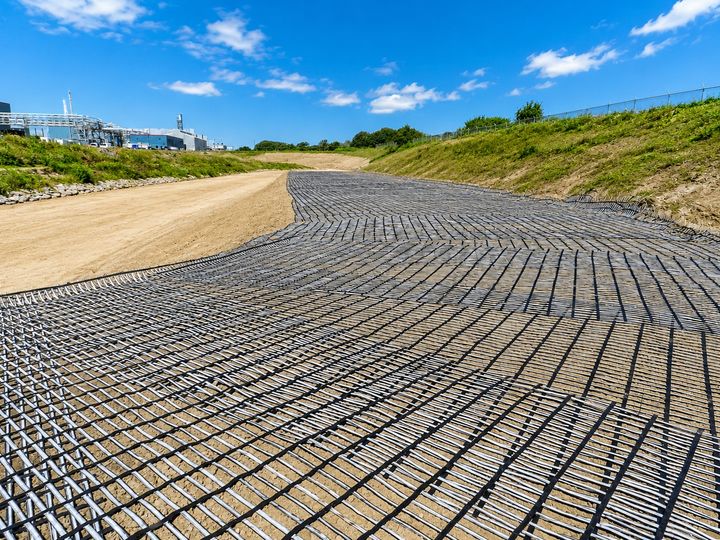
Paragrid W
Geomalla tejida mejorada de alto rendimiento caracterizada por un módulo muy elevado y los factores de reducción más bajos. Diseñada para aplicaciones estándar de refuerzo de suelos con un enfoque específico en aplicaciones de muros segmentados. Esta familia es adecuada para su uso con suelos estándar caracterizados por 4</=ph</=9
Casos de Éxito
Construido, no solo dibujado
Descubre más
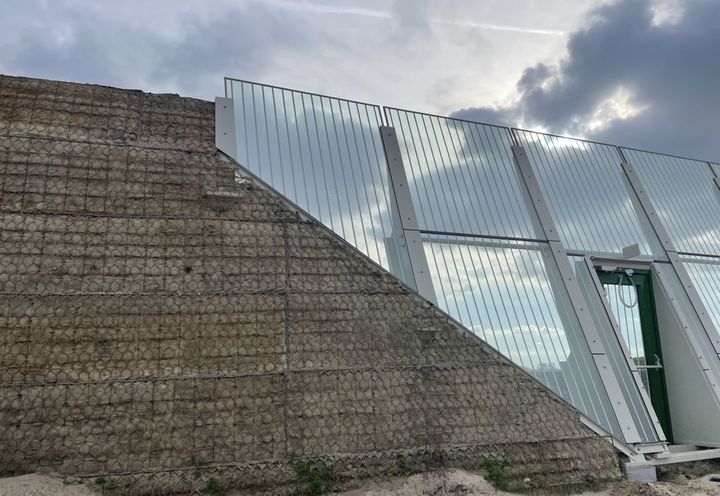
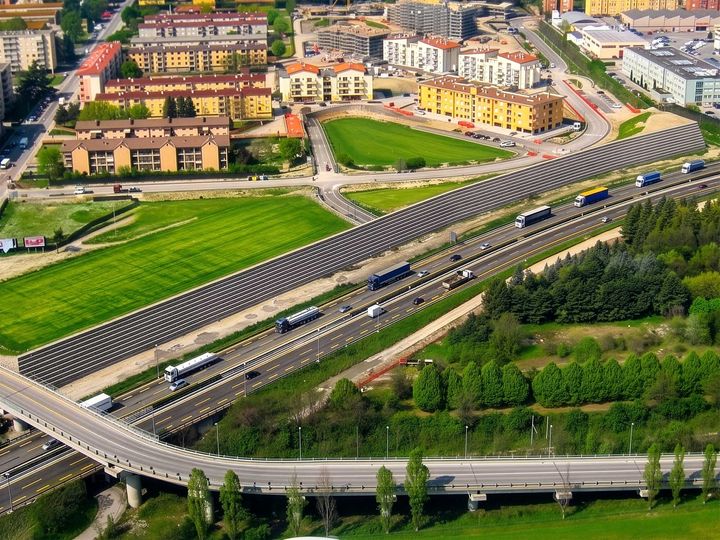
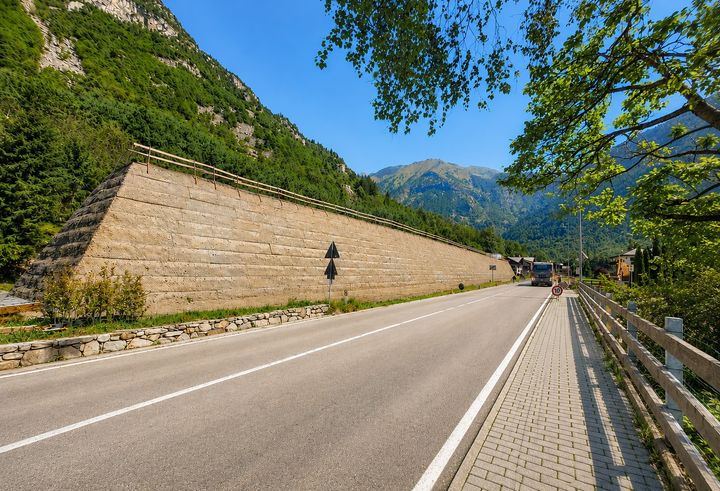
The Oosterweel Link project is a new 15km-long motorway connection developed by Lantis for completing the Antwerp ring road R1 (Belgium). It is a major project in Belgium and its design started in the 1990s to find a solution to the congestion problems in and around Antwerp. The total estimated cost of the project is approximately €4. 5bn. The Antwerp ring road is a key part of the Trans-European Transport (TEN-T) Core Network. Maccaferri collaborated with the design and building of the Mechanically Stabilized Earth (MSE) walls with its main product family „Terramesh“. This is a well-known system used in Europe and in the rest of the world to support or enable the construction of infrastructures in tight urban corridors, forming retaining walls, road embankments, wing walls and bridge abutments known as Geosynthetic Reinforced Soil-Integrated Bridge Systems (GRS-IBS). „Terramesh“ double twist steel wire mesh reinforcements have been used in combination with ParaLink® and Paragrid® geogrids representing an evolution and a significant advantage for both cost-effectiveness and performance. The project includes 15. 000 facing sqm of „Terramesh Green®“, 14. 000 facing sqm of „Terramesh Mineral® and System® and 5. 000 facing sqm of gabion cladding.
Descubre más
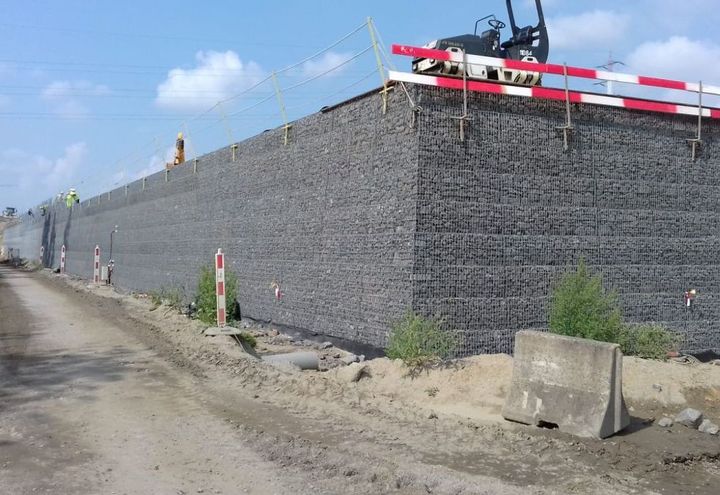
The Oosterweel Link project is a new 15km-long motorway connection developed by Lantis for completing the Antwerp ring road R1 (Belgium). It is a major project in Belgium and its design started in the 1990s to find a solution to the congestion problems in and around Antwerp. The total estimated cost of the project is approximately €4. 5bn. The Antwerp ring road is a key part of the Trans-European Transport (TEN-T) Core Network. Maccaferri collaborated with the design and building of the Mechanically Stabilized Earth (MSE) walls with its main product family „Terramesh“. This is a well-known system used in Europe and in the rest of the world to support or enable the construction of infrastructures in tight urban corridors, forming retaining walls, road embankments, wing walls and bridge abutments known as Geosynthetic Reinforced Soil-Integrated Bridge Systems (GRS-IBS). „Terramesh“ double twist steel wire mesh reinforcements have been used in combination with ParaLink® and Paragrid® geogrids representing an evolution and a significant advantage for both cost-effectiveness and performance. The project includes 15. 000 facing sqm of „Terramesh Green®“, 14. 000 facing sqm of „Terramesh Mineral® and System® and 5. 000 facing sqm of gabion cladding.
Descubre más
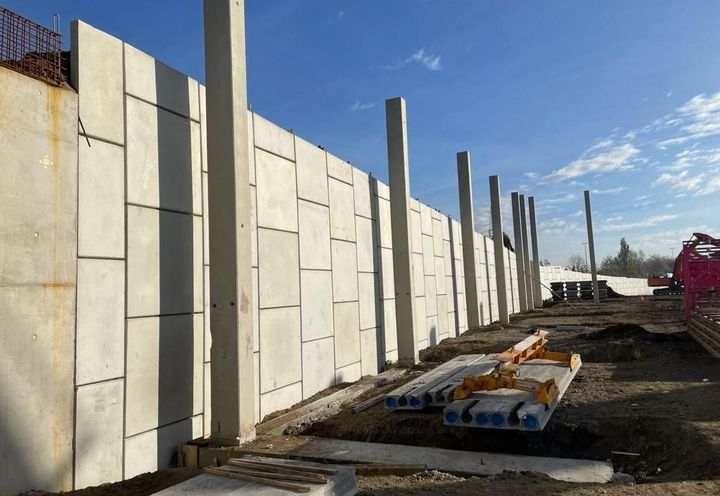
BE-ANTWERP MALINAS
The access road of a new retail center has been planned in Mechelen, Belgium, to let customers easily drive to the new shopping mall. Initially, the retaining wall for the ramp leading to the bridge abutment had been planned as a concrete L-retaining wall, but, thanks to the technical support of Maccaferri, the design has been changed in favour of 530 sqm MacRes System with 12. 000 lm of ParaWeb reinforcement. Due to the bad foundation soil characteristics, the contractor asked Maccaferri´s support also for the calculation and delivery of 1. 100 sqm of ParaLink 950 as basal reinforcement over piles. Smooth standard panels have been chosen.
Descubre más
A fondo con
Geomallas Monoaxiales
Lo que podemos hacer con
Geomallas Monoaxiales

Aplicaciones
Soluciones
Ponte en contacto con nosotros
[contactForm_txtSuccessSubmit]