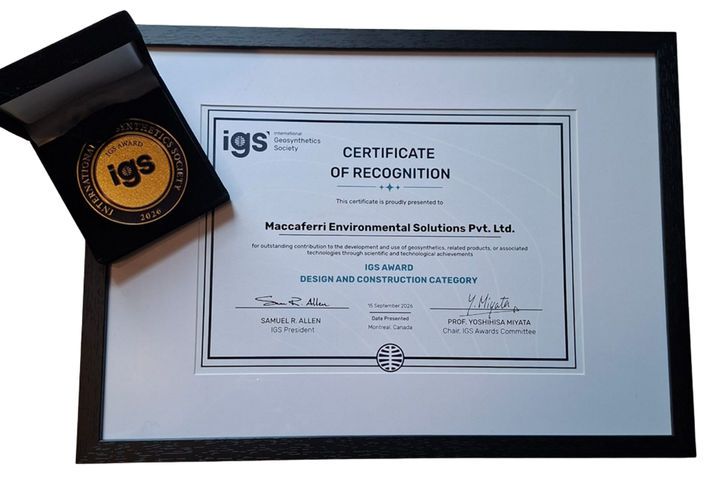
Maccaferri India Wins IGS Award for Innovative Shored Reinforced Soil Solution in Uttarakhand
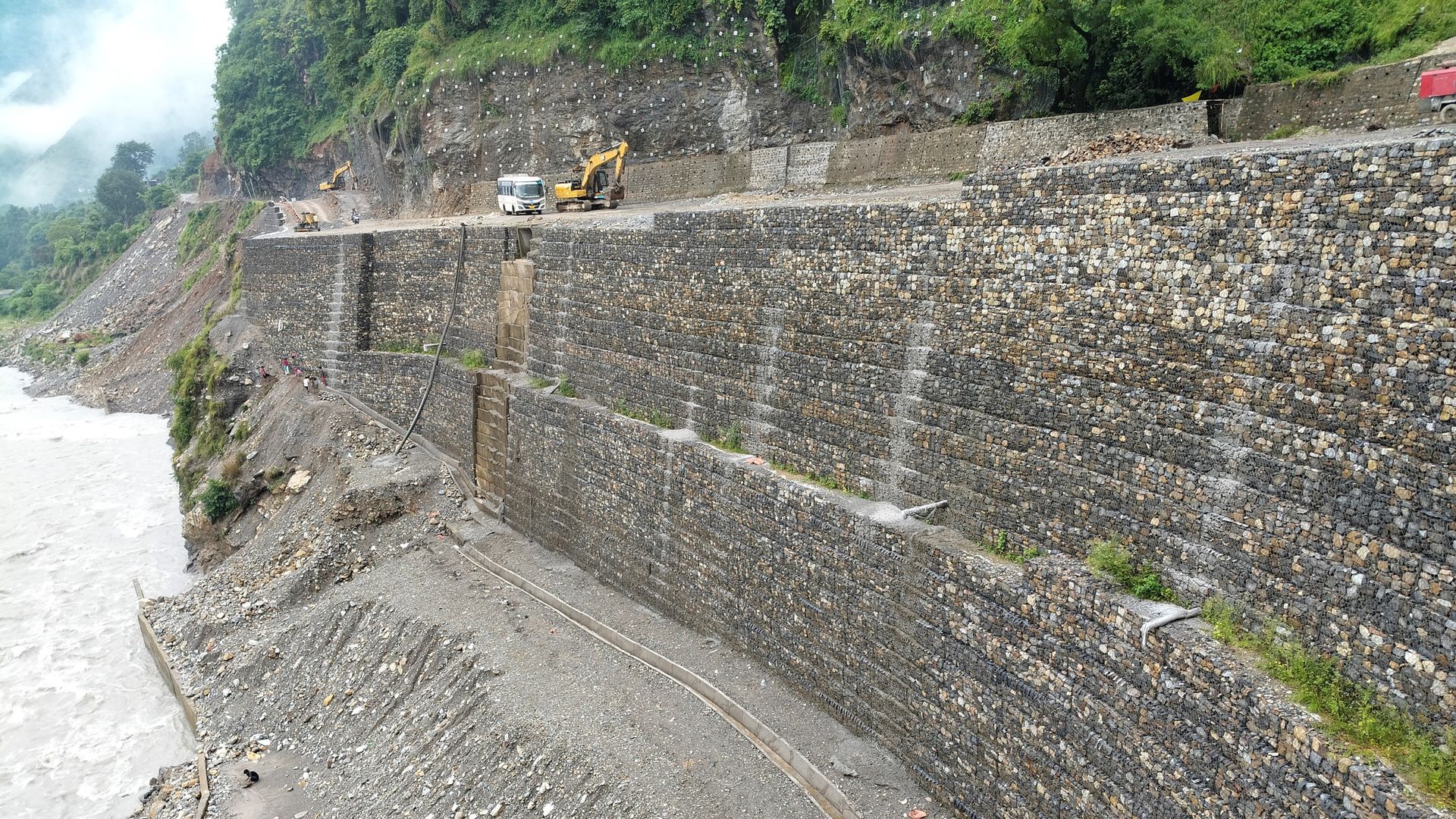
Maccaferri India has been recognised with the IGS Award in the Design & Construction category for the Askot–Lipulekh Shored Reinforced Soil Wall Project in Uttarakhand, India.
The award recognises outstanding contributions to the development and application of geotextiles, geomembranes and related technologies through scientific and technological achievements.
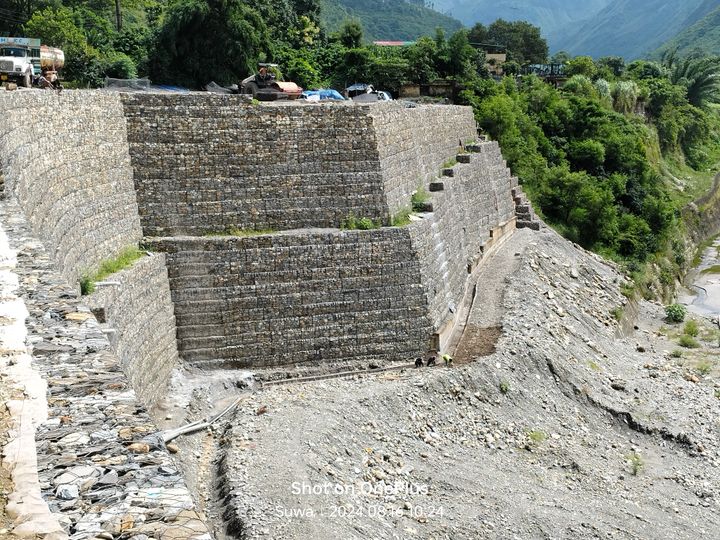
The award-winning project involved the construction of a Shored Reinforced Soil (RS) structure along the Askot–Lipulekh road in Uttarakhand, executed under Border Roads Organisation (BRO) Project HIRAK as part of the Bharatmala Pariyojana.
Engineering Innovation in Challenging Himalayan Terrain
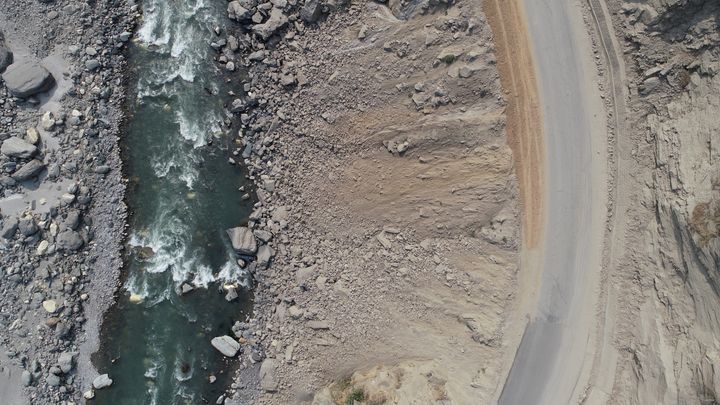
Located in a highly constrained and geotechnically complex mountainous environment, the project presented multiple engineering challenges, including limited right of way, weak and variable founding strata, landslide-prone terrain and the presence of a high-velocity river close to the toe of the valley slope.
To address these conditions, Maccaferri developed a modular shored reinforced soil solution integrating flexible Terramesh® fascia, high-strength ParaLink® geogrid reinforcement, MacDrain™ drainage geocomposite and self-drilling anchors. The combination provided an adaptable system designed to enhance global stability, efficiently manage drainage and accommodate difficult site conditions.
One of the project's key innovations was its design-as-you-progress methodology. As excavation progressed and actual ground conditions became visible, the design could be reviewed and optimised in real time. This adaptive engineering approach was particularly important because the site's variable strata and restricted cutting depth made conventional design and construction approaches challenging.
The resulting reinforced soil structure reached heights of up to 26.4 metres, demonstrating the potential of geosynthetic-based solutions for road widening and slope stabilisation in constrained Himalayan environments
Combining Resilience with Sustainability
Sustainability was also an important consideration in the engineering approach. The solution reduced the need for extensive hillside cutting and enabled the use of locally sourced granular soil and stones, helping minimise transportation requirements and disturbance to the surrounding terrain.
A Life Cycle Assessment carried out for the project compared the Maccaferri Terramesh System with traditional gabions and a concrete T-wall solution. The assessment estimated total emissions of approximately 503,278 kg CO₂e for the Maccaferri solution, compared with 976,898 kg CO₂e for traditional gabions and 2,829,243 kg CO₂e for the concrete alternative.
Beyond its technical and environmental benefits, the project supports improved connectivity in a remote and strategically important region, contributing to better access to essential services and economic opportunities.
Recognition of Engineering Excellence
The IGS Award reflects Maccaferri India's continued focus on combining engineering expertise, innovation, geosynthetic technologies and environmentally responsible design to address some of the most complex infrastructure challenges.
The recognition is also a testament to the collaborative efforts of the entire Maccaferri India team involved throughout the project lifecycle—from engineering and design to construction support, technical coordination and project delivery.
Congratulations to the entire Maccaferri India team on this achievement and for continuing to advance resilient and sustainable infrastructure solutions for challenging terrains.
.jpg)