
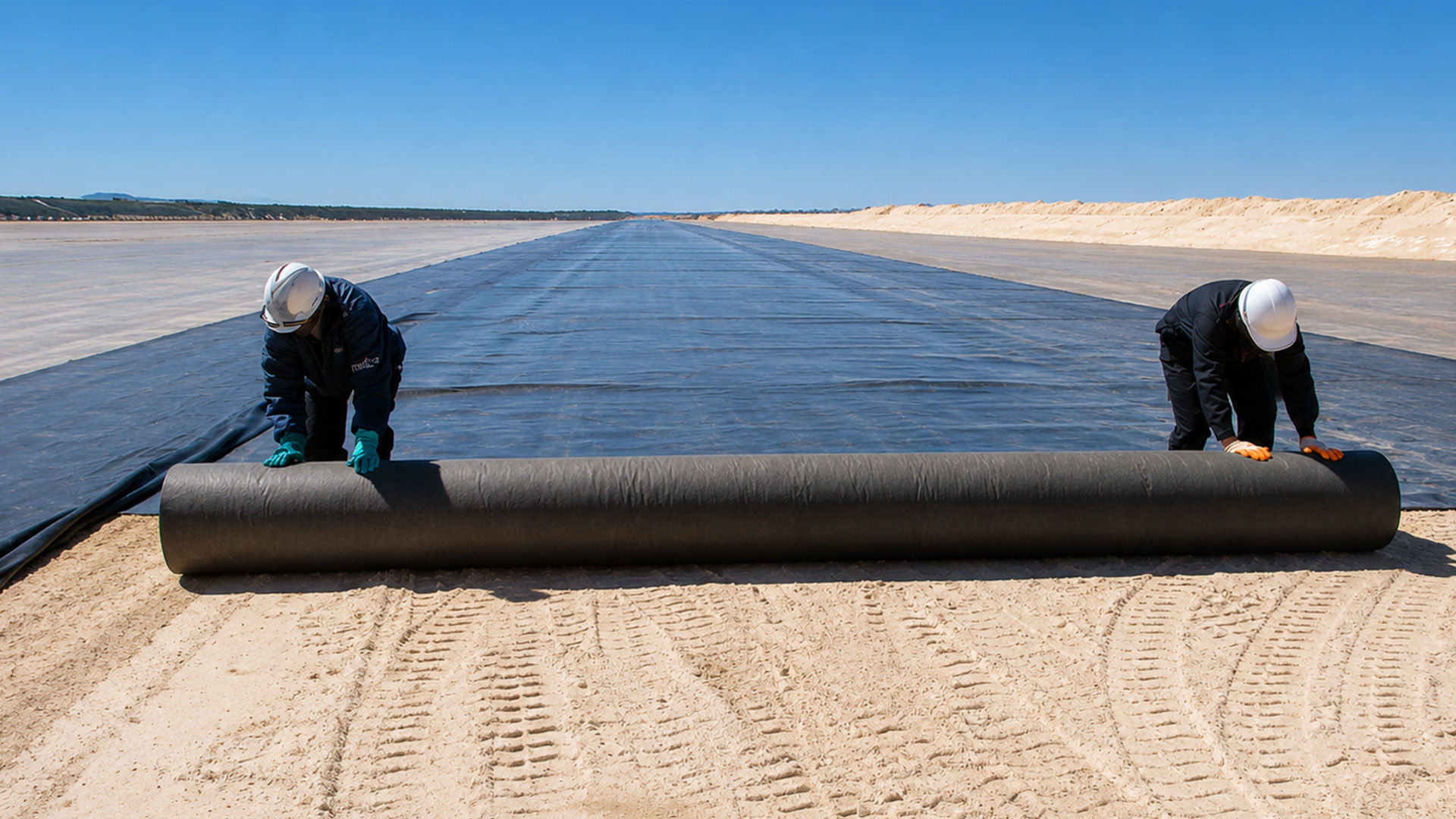
Nonwoven Geotextiles
Versatile Solutions for Separation, Filtration, and Protection
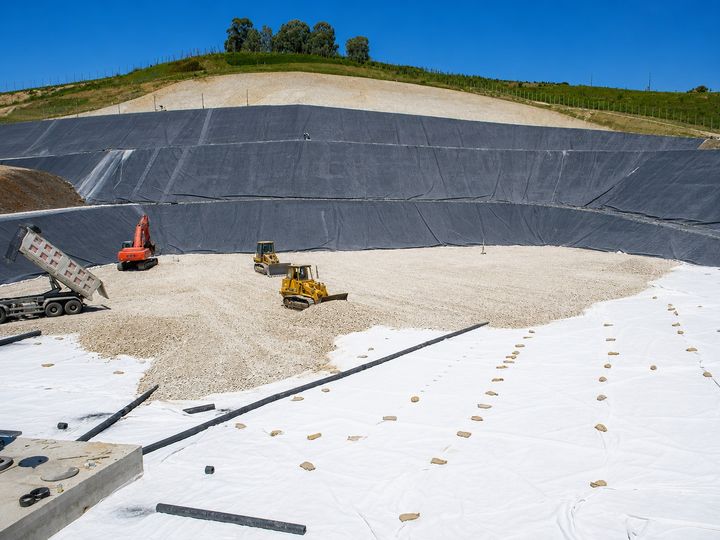
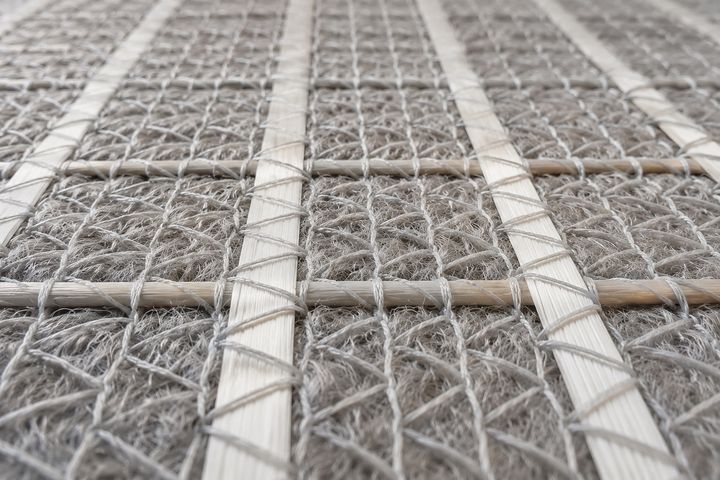
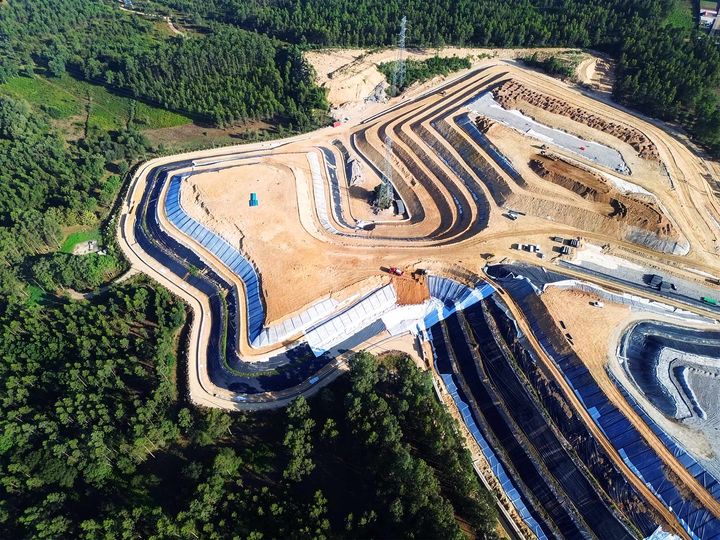
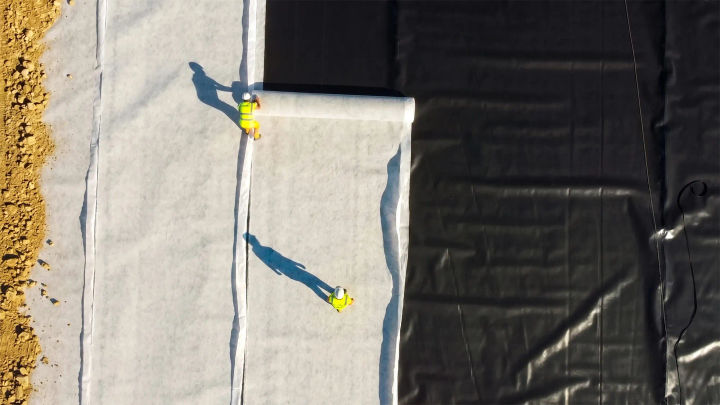
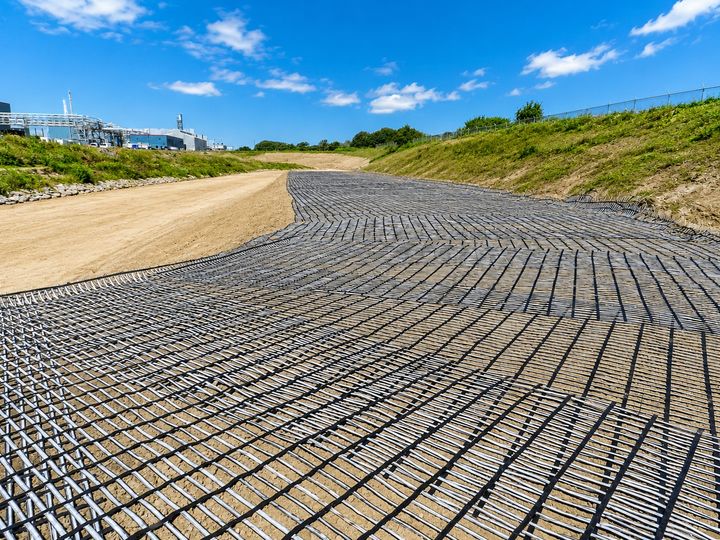
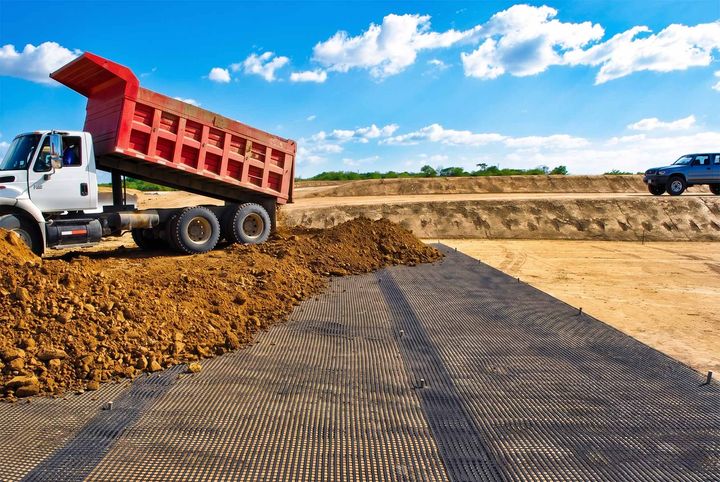
Nonwoven geotextiles are flat textile structures made from synthetic fibers, assembled through advanced needle-punching or thermal bonding processes. Known for their versatility and reliability, these materials are widely used in various applications to provide separation, filtration, and protection functions. Nonwoven geotextiles are also fundamental components in composite systems, combining seamlessly with other geosynthetics to enhance overall performance in complex projects.
With a focus on quality and performance, nonwoven geotextiles can be tailored based on fiber length, polymer composition, and manufacturing processes, ensuring compatibility with a wide range of project requirements. Leveraging Maccaferri’s extensive expertise, these geotextiles are trusted for infrastructure, hydraulic construction, environmental protection, and civil engineering projects worldwide, offering durable and cost-effective solutions for demanding applications.
Success Stories
Built, not just drawn
Discover more
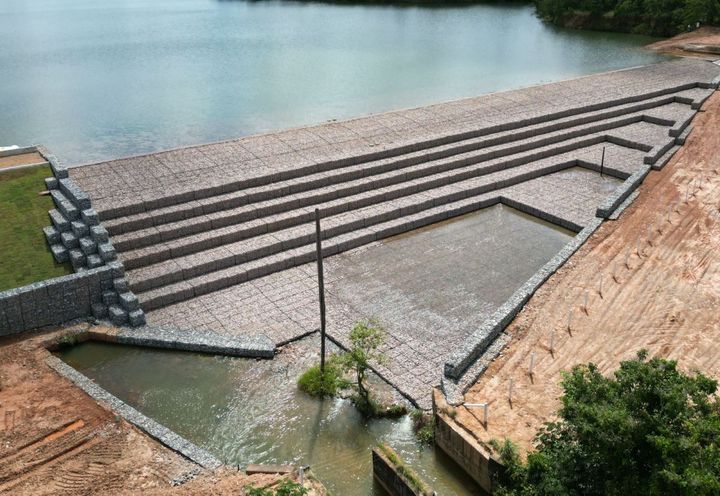
BARRAGEM CAMPEIRA - CRISTALÂNDIA
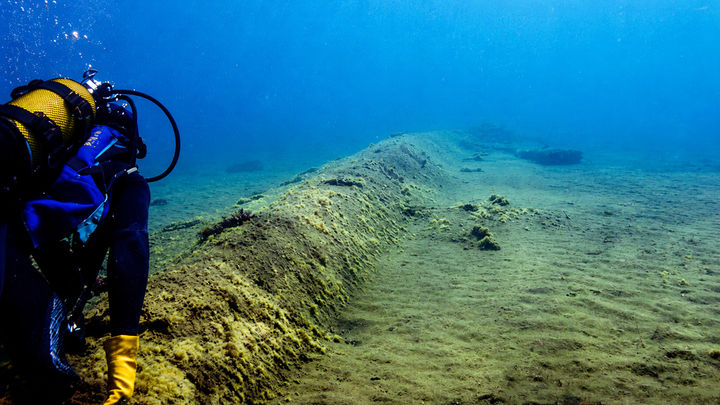
The Campeira Dam is responsible for supplying water to the city of Cristalândia (TO) for most of the year. A few years ago, after intense periods of rainfall, the dam's spillway, which was 7 metres wide, was not sufficient to release all the excess water from the reservoir, causing it to overflow and consequently the erosion of the shoulders and the dam's structure to be compromised.
Discover more
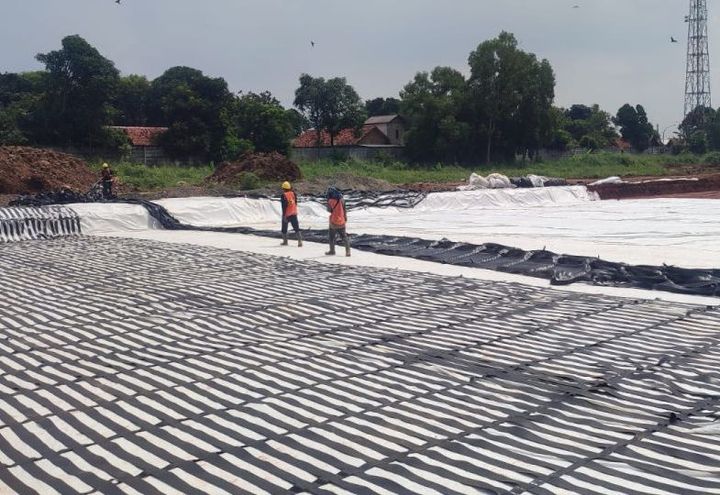
BASAL REINFORCEMENT SOLUTION FOR PROVING GROUND
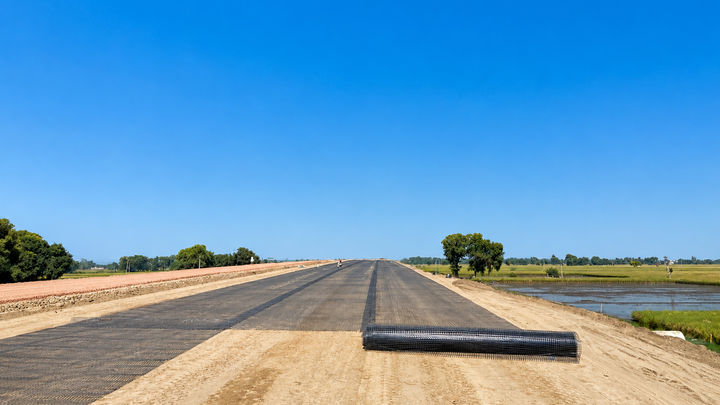
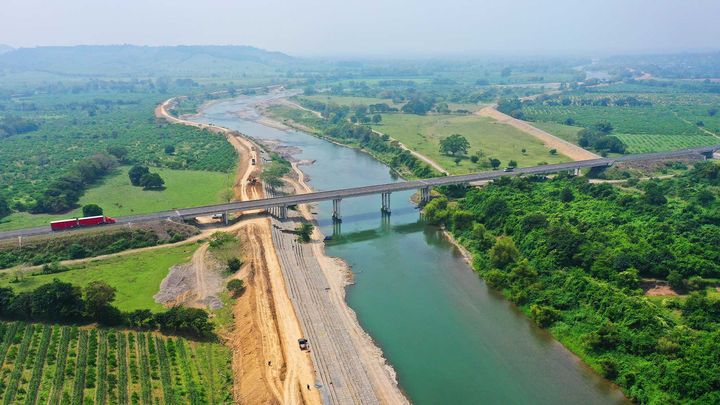
At the construction site of the roadworthiness testing area in Bekasi, there are several points along the track where filling will be carried out to raise the elevation according to the design plan set by BPJLSKB. Based on soil testing results, it is known that the area to be filled is situated on soft soil, which tends to have lower stability compared to hard soil. This soft soil is highly susceptible to uneven settlement (differential settlement), which can cause damage to the track and reduce the quality of the road structure built on top of it. This condition adds challenges to the planning and implementation of the project, as the filling process must be managed carefully to avoid damage to the track due to varying settlement in different areas. The soft soil also has the potential to cause damage to the road pavement layers, reduce the soil bearing capacity, and affect the long-term performance of the road. Therefore, measures are needed to strengthen the foundation soil, such as using soil stabilization techniques or foundation reinforcement to minimize the impact of differential settlement. Reinforcement of the embankment slopes is also necessary to prevent potential landslides or soil movement that could damage the structure and track that has been built. If these measures are not properly implemented, it could lead to greater damage to the track and potentially disrupt the smooth operation of the project, resulting in cost overruns and delays. Appropriate treatment, including reinforcement techniques and better soil management, is crucial to ensure the stability of the track, safety, and long-term sustainability of the project.
Discover more
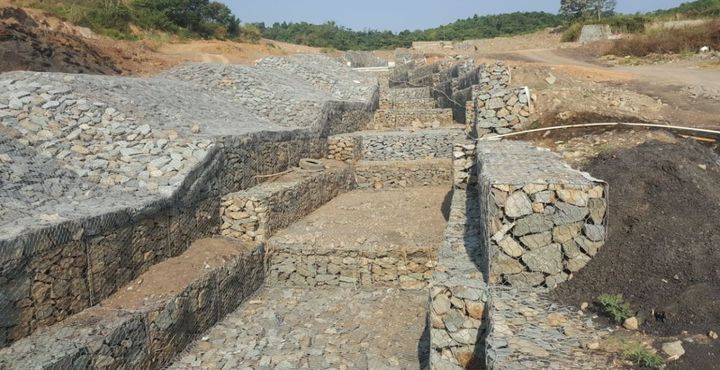
CHANNEL REVETMENT AT HEAVEN MEMORIAL PARK CEMETERY
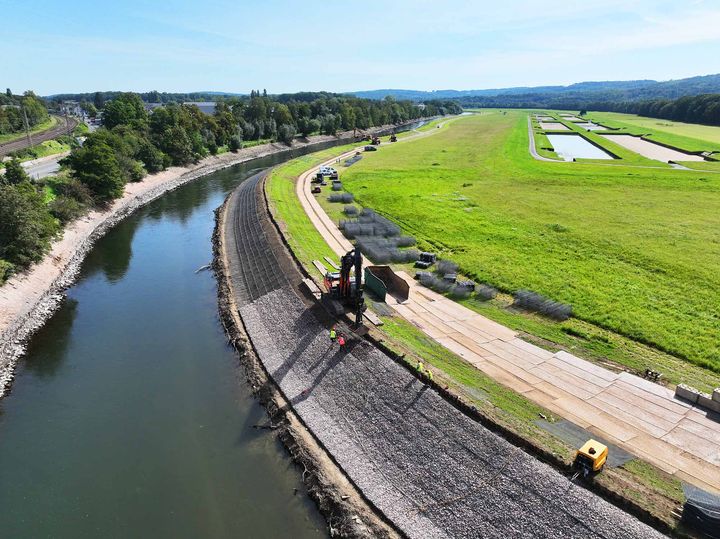
An Open Channel at Heaven Memorial Park Cemetery was at susceptible condition to erosion and slides. The slope surface of the channel was unprotected, uncovered, and aesthetically unpleasant. An improvement was planned as part of the development of the c. . .
Discover more
Deep dive into
Nonwoven Geotextiles
What we can do with
Nonwoven Geotextiles



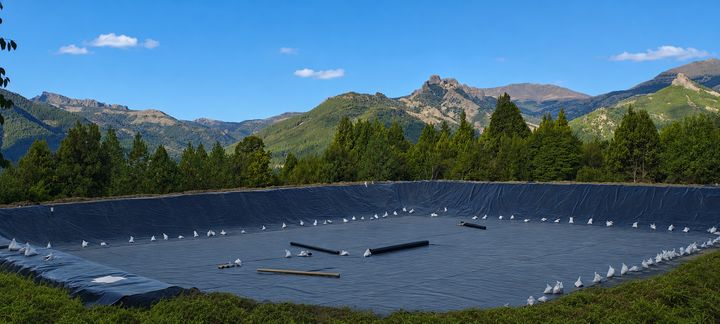
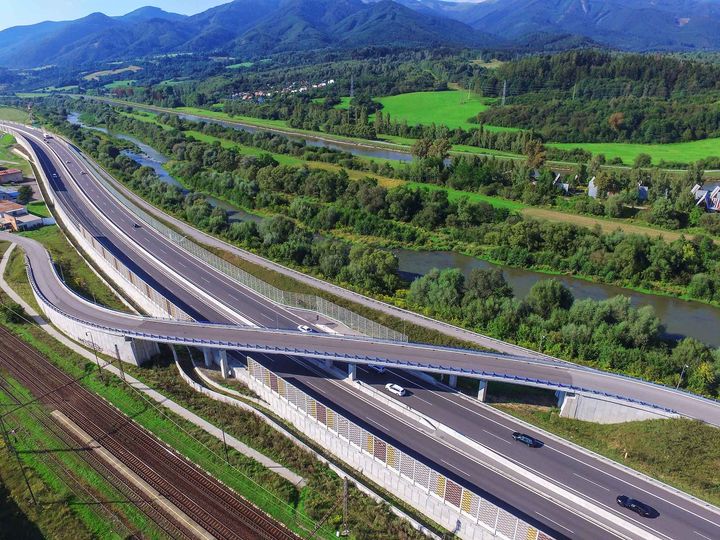
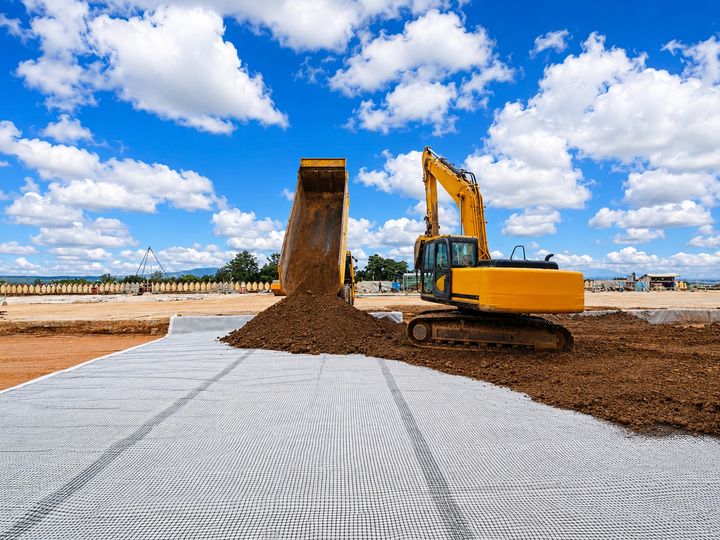
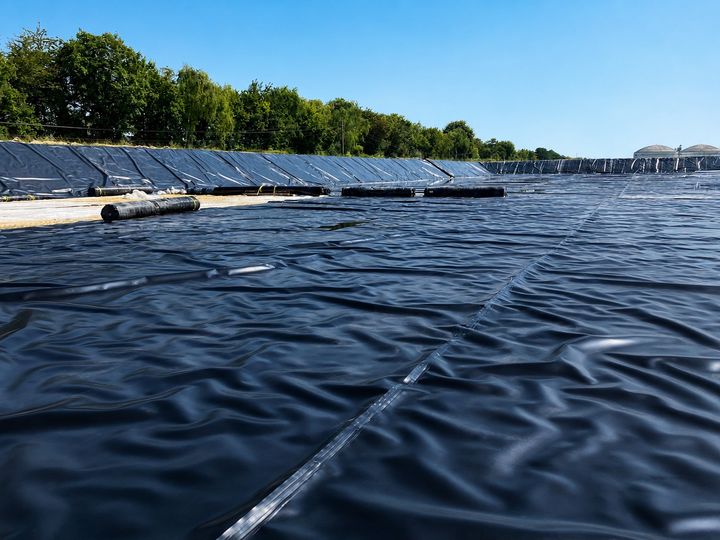
Solutions
Get in touch with us
[contactForm_txtSuccessSubmit]