
Managing Water in Mining Operations: Hydraulic Engineering Solutions for Safer and More Efficient Project Performance
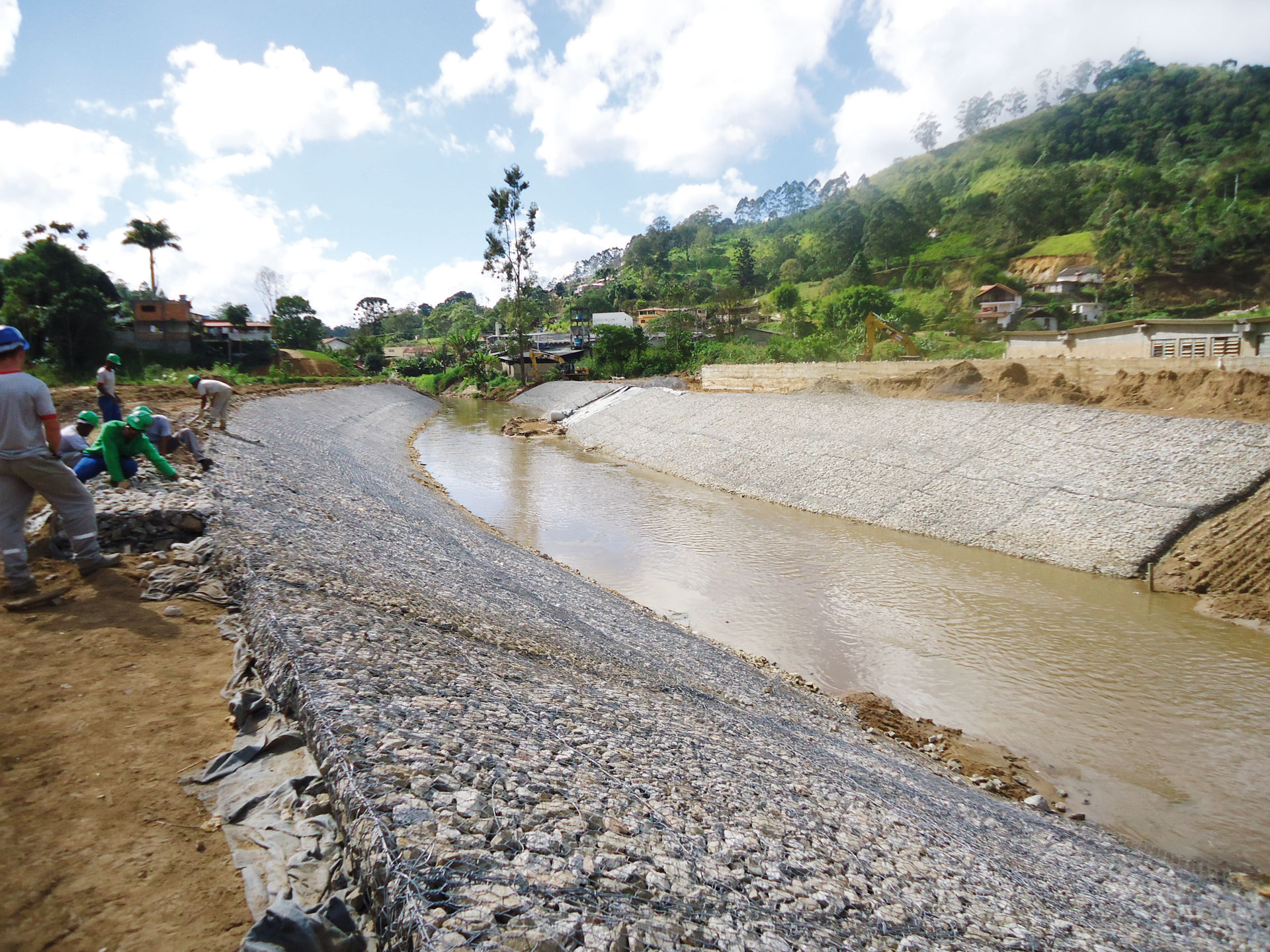
When Water Management Becomes Part of Mine Planning
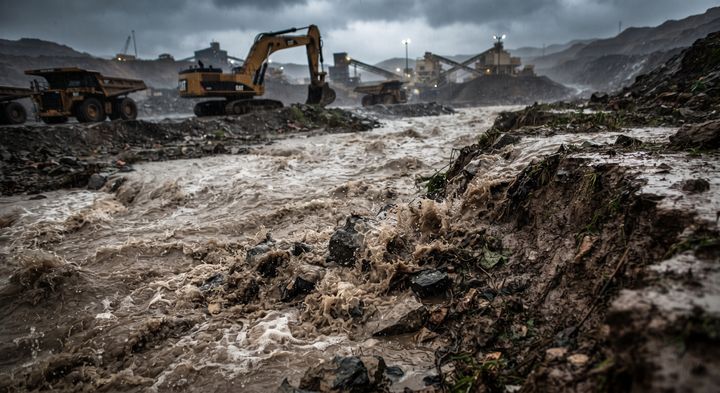
Mining activities often take place in areas with complex topographical and hydrological conditions. When a river is located near an operational area, even small changes in flow conditions can have greater consequences.
Several factors need to be considered, including:
- Increased discharge during rainfall
- Flow velocity and energy
- Erosion of channel beds and banks
- Stability of areas surrounding the river
- Sedimentation
- Potential disruption to mining activities
Without proper planning, water management can become an operational challenge. Design discharge, flow velocity, soil characteristics, channel slope, and erosion potential all need to be considered from the design stage. Protection of channel beds and banks is also an important aspect. High-energy flows can cause erosion that gradually changes channel geometry and reduces system performance. On the other hand, overly complex solutions can increase construction, material, and maintenance requirements.
The challenge, therefore, is not simply how to control water, but how to do so with the right solution for the project's specific conditions.
In mining projects, hydraulic works do not stand alone.
The solution must consider how construction will be carried out on site, how access to the location will be managed, and how the work will interact with ongoing mining activities.
Construction efficiency, long-term performance, site safety, and environmental protection are also important parts of the engineering considerations.
So, how can this approach be applied to a real project?
Understanding hydraulic challenges is one thing. Seeing how they are addressed under actual site conditions is another.
Real projects often involve a combination of factors, from changing water flow and erosion risks to site access, construction constraints, and ongoing mining activities. These conditions need to be considered together when developing an effective engineering approach.
A real project case can provide a practical perspective on how these factors are assessed and how the right hydraulic solution is selected based on the conditions on site.
Key considerations include:
- Water management challenges in mining areas
- Erosion control and channel protection
- Factors influencing hydraulic solution selection
- The relationship between hydraulic solutions, operational efficiency, and safety
- How site conditions are translated into practical engineering solutions
The experience gained from real projects can offer valuable insights into how hydraulic challenges can be approached more effectively, particularly in complex mining environments.
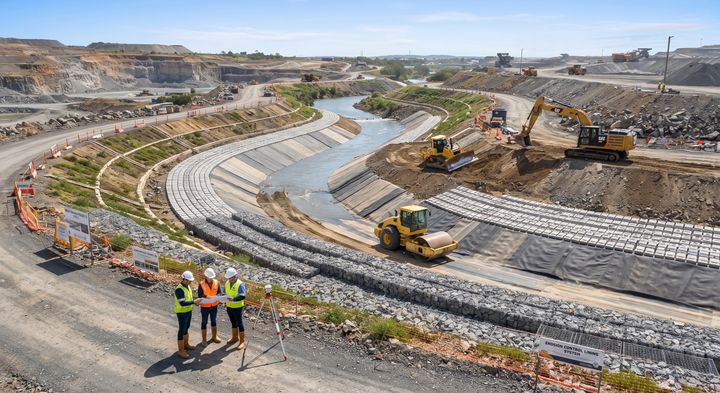
Want to Explore the Approach in More Detail?
Discover how hydraulic challenges in mining can be assessed and addressed through practical engineering approaches and real project experience.
👉 Explore the webinar and take a closer look at the engineering considerations behind hydraulic solutions for mining.