
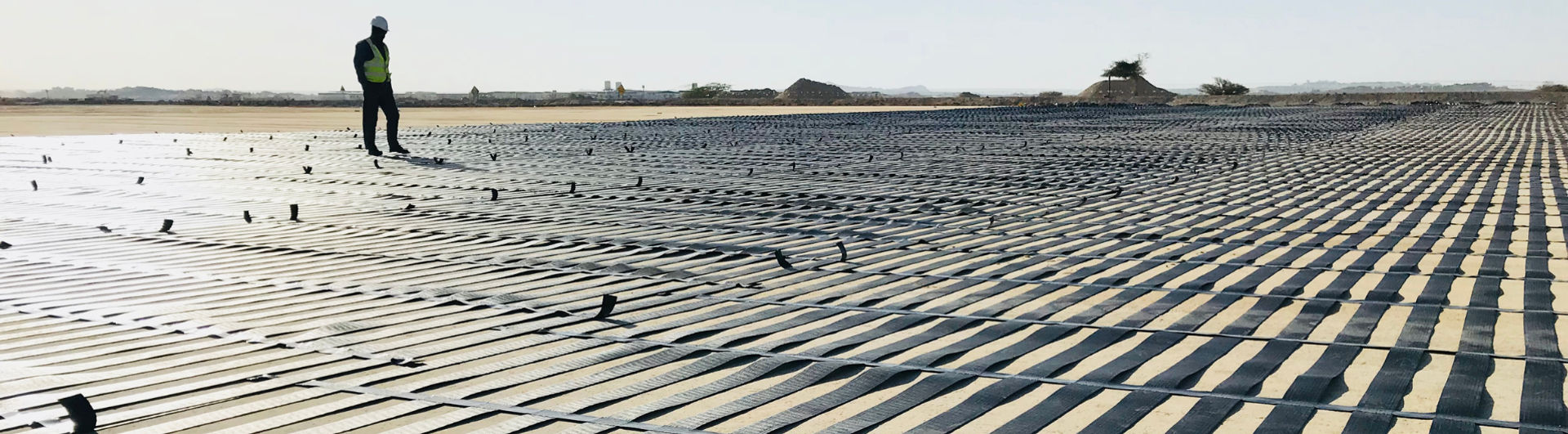
MonoAxial GeoGrids
Soil reinforcement for stable structures
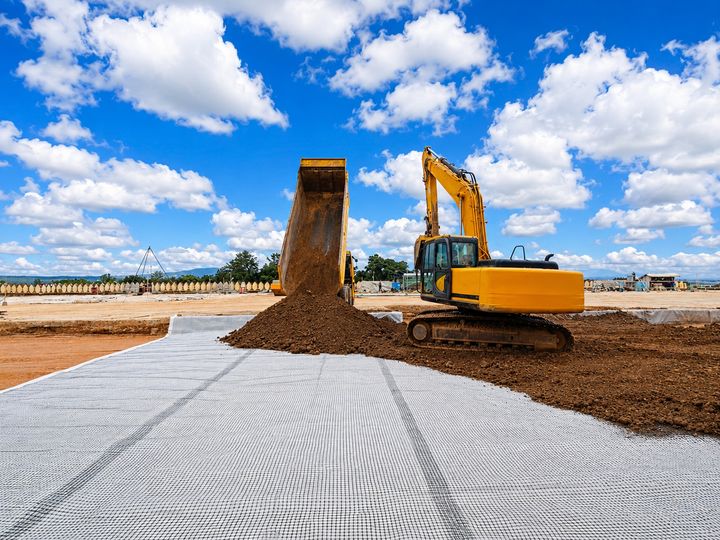
Geogrids are used mostly for reinforcement purposes being their peculiar structure able to provide the necessary strength to reinforce the filling material.
Monoaxial type are characterized by having a main tensile strength, normally in the MD direction, where the CMD performances are reduced to minimum as requested by the manufacturing geogrid technology.
Maccaferri range is very specialized where each family has been specifically designed and developed to target at best the necessary requirements (not only from the technical point of view – mechanical performances in the short and long term, durability, interaction with the soil – but also from a sustainability prospective – impact on the environment, recycling or reuse etc).
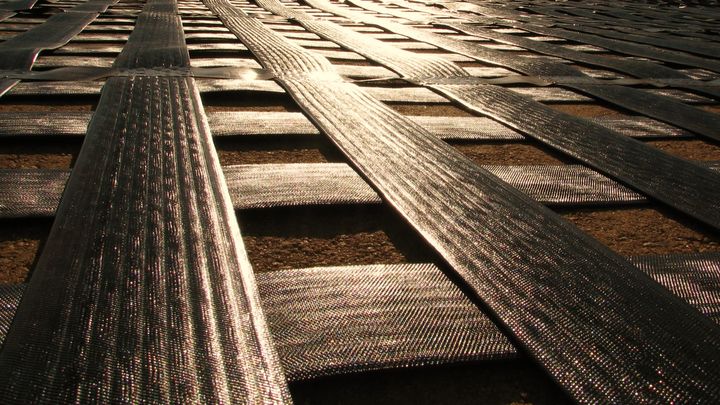
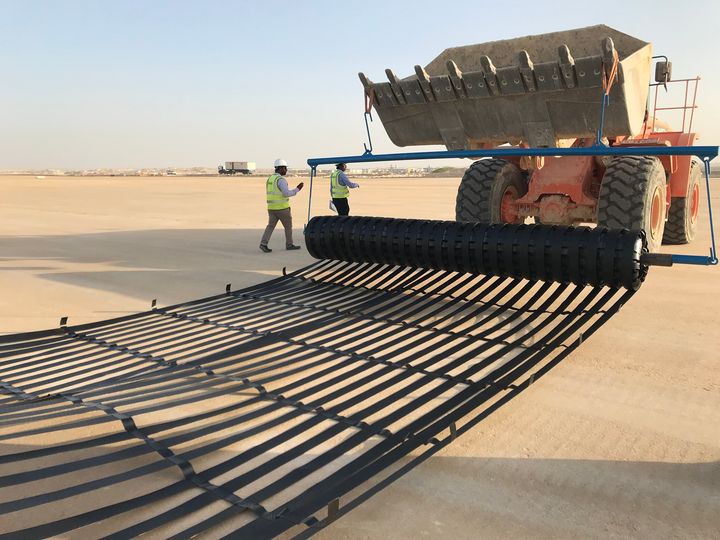
The ParaProduct types represent the excellence available by Maccaferri (the all products are BBA certified) and are tailored as:
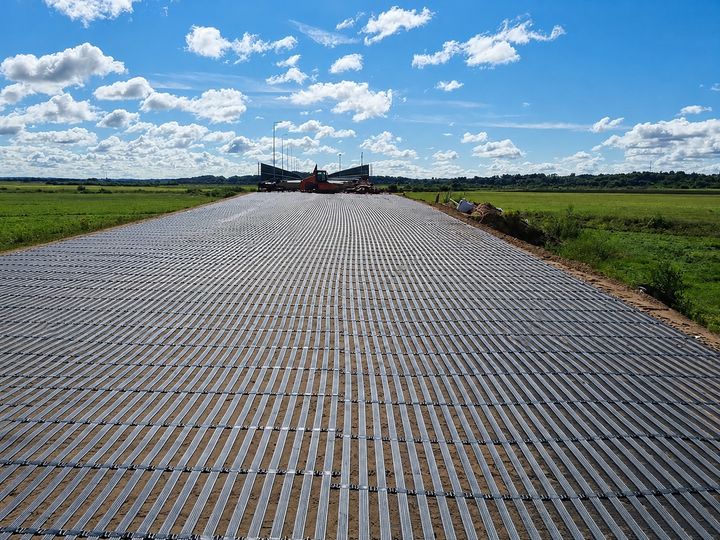
ParaGrid
High tenacity core with a thick PE coating with strength from 30 to 200 kN/m to be used in standard soil reinforcement applications (mostly retaining structures) in any soil including aggressive ones characterized by high values of ph
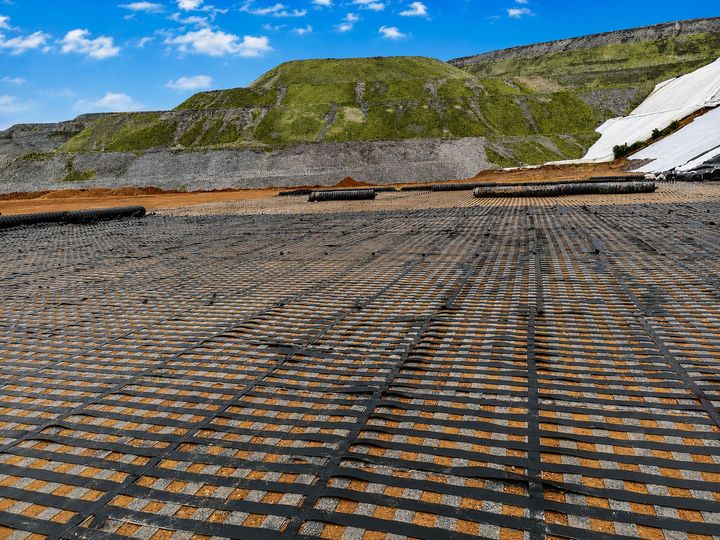
ParaGrid HF
Similar to ParaGrid as structure but mostly used in combination with Terramesh units as primary reinforcement. Their strength varies from 90 to 250 kN/m and can be used in any soil including aggressive ones characterized by high values of ph
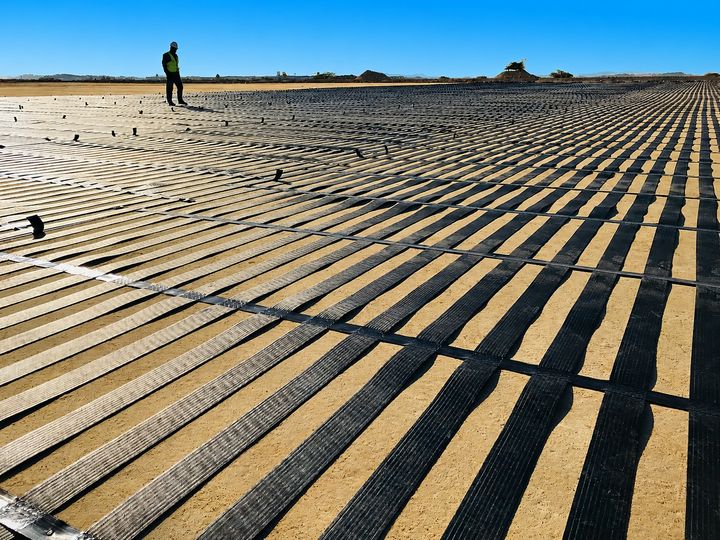
ParaLink
Again a strip based structure mostly used in basal reinforcement applications (but not exclusively) as piled embankment foundations, sink holes application or foundation on soft soils. Their strength varies from 300 to 1600 kN/m and can be used in any soil including aggressive ones characterized by high values of ph
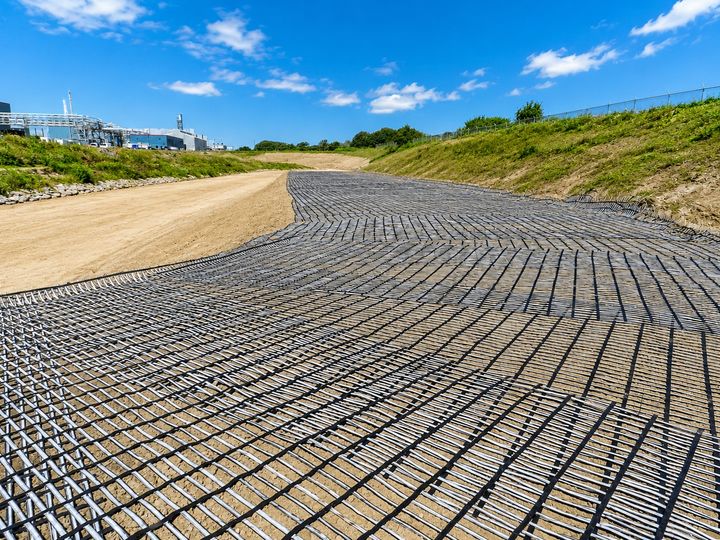
ParaDrain
Similar to ParaGrid but with a draining capacity in the MD direction obtained by shaping the strips with a channel profile closed by a geotextile filter. This unique composite is designed to be used with very thin or cohesive soils in very demanding geotechnical situations.
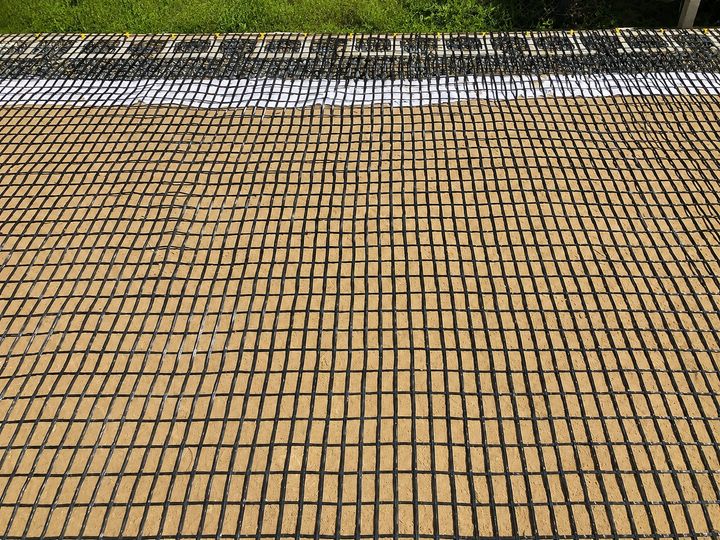
Paragrid W
An enhanced high performance knitted geogrid characterized by a very high modulus and the lowest reduction factors. Designed for standard soil reinforcement application with a specific focus on segmental wall applications. This family is suitable for use with standard soils characterized by 4</=ph</=9
Success Stories
Built, not just drawn
Discover more
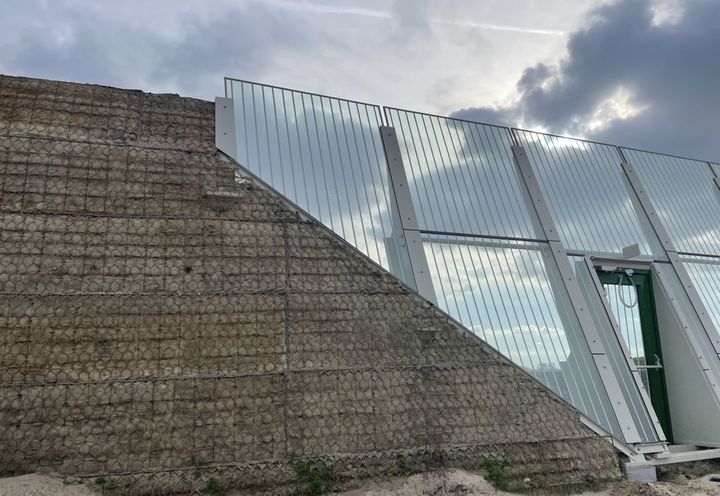
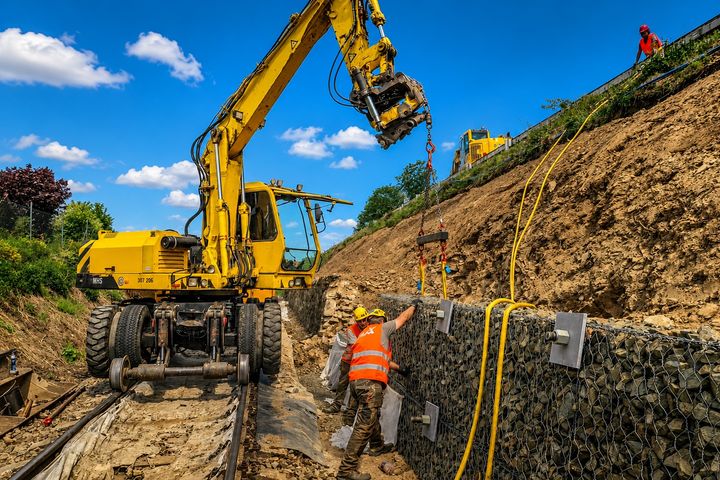
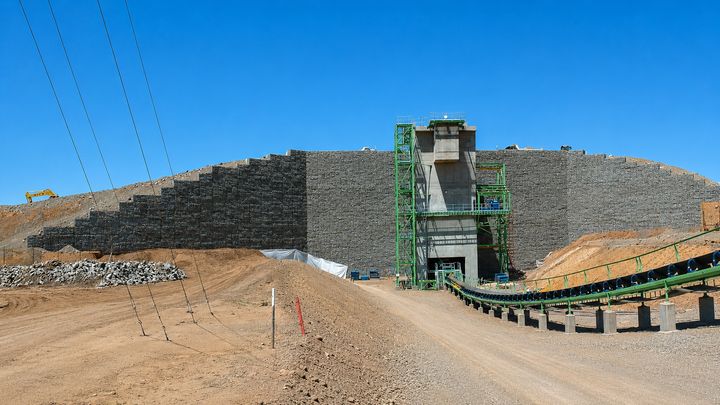
The Oosterweel Link project is a new 15km-long motorway connection developed by Lantis for completing the Antwerp ring road R1 (Belgium). It is a major project in Belgium and its design started in the 1990s to find a solution to the congestion problems in and around Antwerp. The total estimated cost of the project is approximately €4. 5bn. The Antwerp ring road is a key part of the Trans-European Transport (TEN-T) Core Network. Maccaferri collaborated with the design and building of the Mechanically Stabilized Earth (MSE) walls with its main product family „Terramesh“. This is a well-known system used in Europe and in the rest of the world to support or enable the construction of infrastructures in tight urban corridors, forming retaining walls, road embankments, wing walls and bridge abutments known as Geosynthetic Reinforced Soil-Integrated Bridge Systems (GRS-IBS). „Terramesh“ double twist steel wire mesh reinforcements have been used in combination with ParaLink® and Paragrid® geogrids representing an evolution and a significant advantage for both cost-effectiveness and performance. The project includes 15. 000 facing sqm of „Terramesh Green®“, 14. 000 facing sqm of „Terramesh Mineral® and System® and 5. 000 facing sqm of gabion cladding.
Discover more
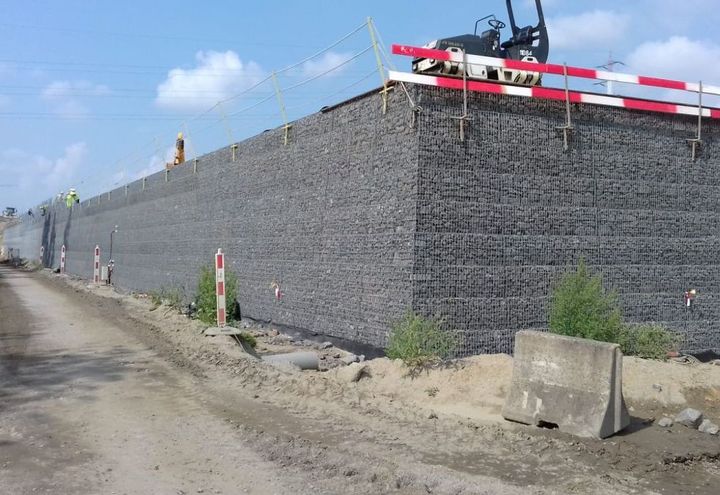
The Oosterweel Link project is a new 15km-long motorway connection developed by Lantis for completing the Antwerp ring road R1 (Belgium). It is a major project in Belgium and its design started in the 1990s to find a solution to the congestion problems in and around Antwerp. The total estimated cost of the project is approximately €4. 5bn. The Antwerp ring road is a key part of the Trans-European Transport (TEN-T) Core Network. Maccaferri collaborated with the design and building of the Mechanically Stabilized Earth (MSE) walls with its main product family „Terramesh“. This is a well-known system used in Europe and in the rest of the world to support or enable the construction of infrastructures in tight urban corridors, forming retaining walls, road embankments, wing walls and bridge abutments known as Geosynthetic Reinforced Soil-Integrated Bridge Systems (GRS-IBS). „Terramesh“ double twist steel wire mesh reinforcements have been used in combination with ParaLink® and Paragrid® geogrids representing an evolution and a significant advantage for both cost-effectiveness and performance. The project includes 15. 000 facing sqm of „Terramesh Green®“, 14. 000 facing sqm of „Terramesh Mineral® and System® and 5. 000 facing sqm of gabion cladding.
Discover more
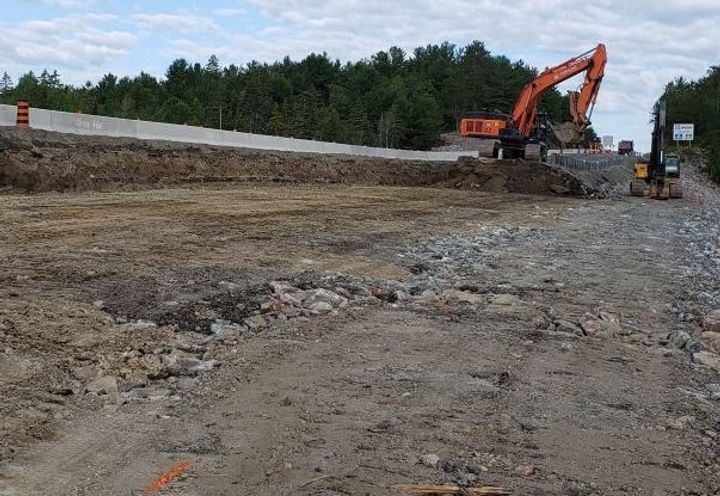
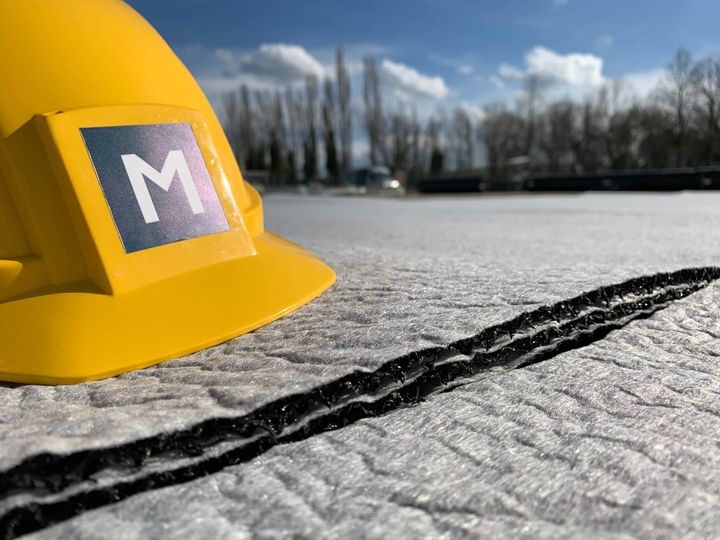
A NOVEL APPROACH TO PAVEMENT DISTORTION
Canada
HWY #17 is a well traveled and important roadway in Northern Ontario. It connects two major communities, the City of North Bay to the City of Greater Sudbury. Traffic is constant on this paved 2 lane highway with intermittent passing lanes. Road maintenance is an ongoing occurrence with regular heavy truck traffic and cold icy winters playing havoc on pavements. One stretch of highway where differential settlements and asphalt cracking were evident at the pavement surface was of concern to the MTO. More than once this stretch of highway has been redone with the understanding that one day, a major reconstruction would have been required. The cause of the pavement distortion was due to the presence of pockets of clayey fill material integrated within a predominantly rock fill embankment and only a deep sub-excavation could have fixed the problem. This major reconstruction was approved when it was decided to widen the road.
Discover more
Deep dive into
MonoAxial GeoGrids
What we can do with
MonoAxial GeoGrids

Applications
Solutions
Get in touch with us
[contactForm_txtSuccessSubmit]